Thanks to Sarah Cameron and Robin House for submitting these photos of this past Saturday’s installation of a Pollination Garden at the Ingersoll Paper Box Co. Ltd.


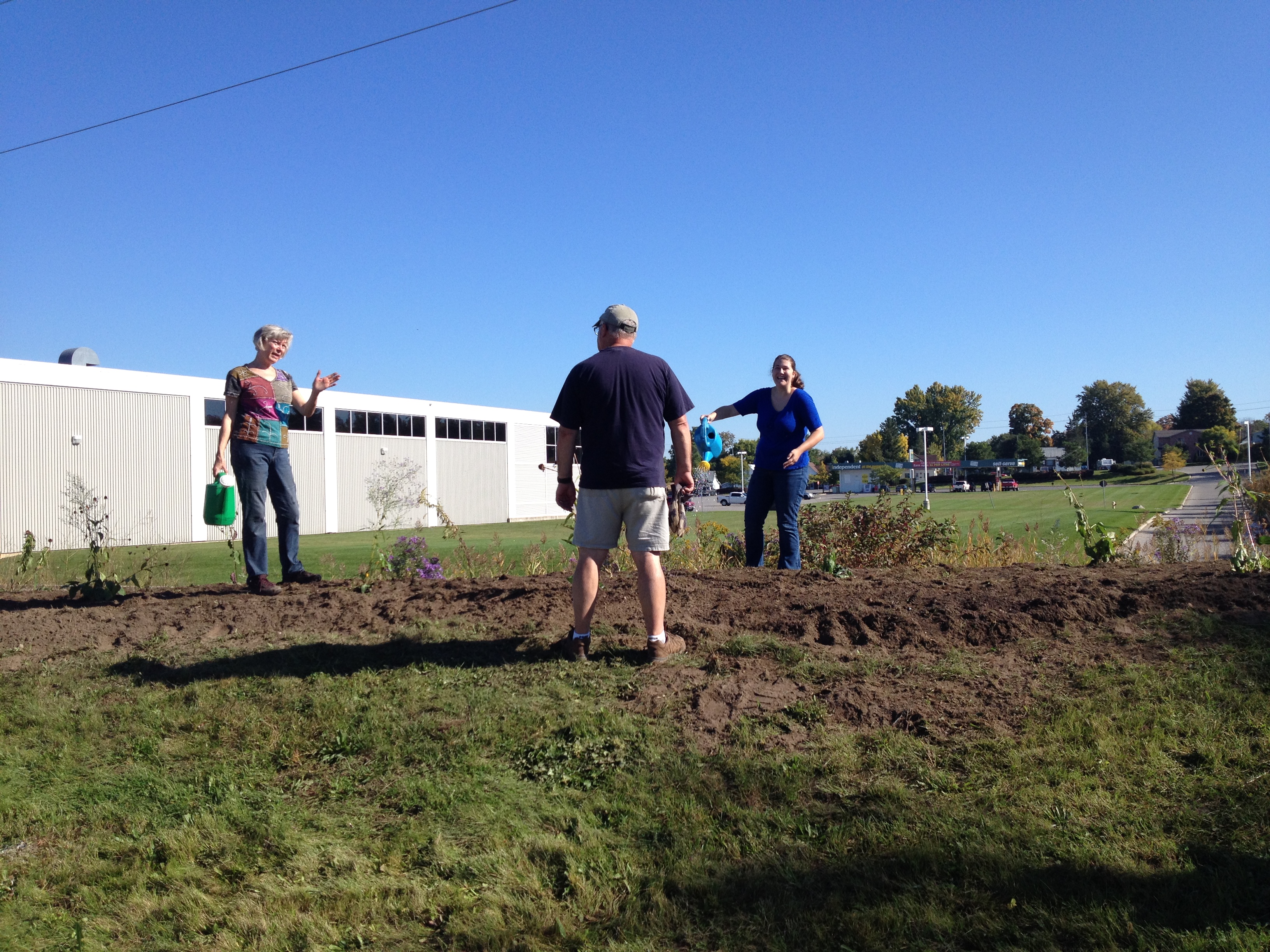


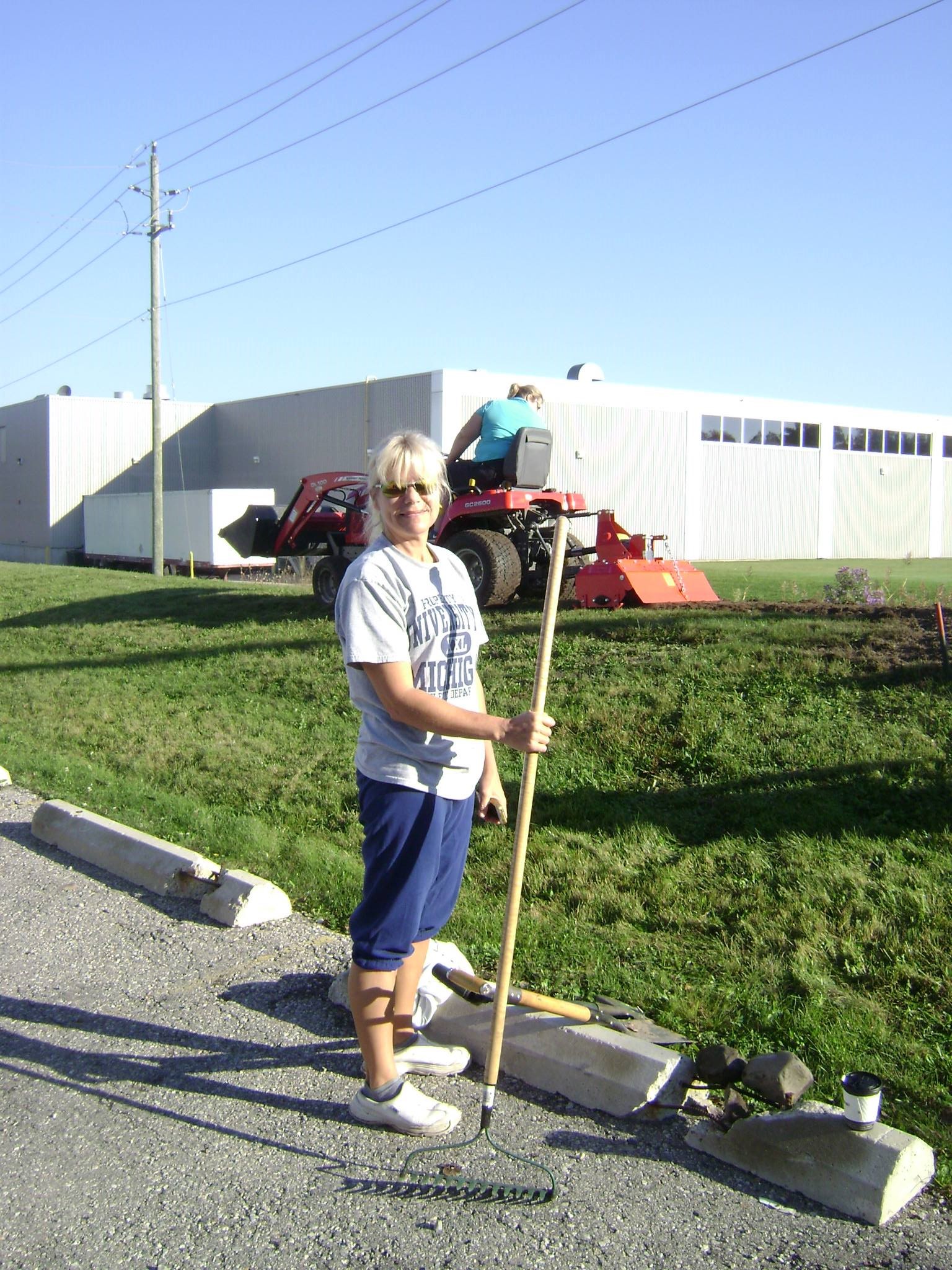

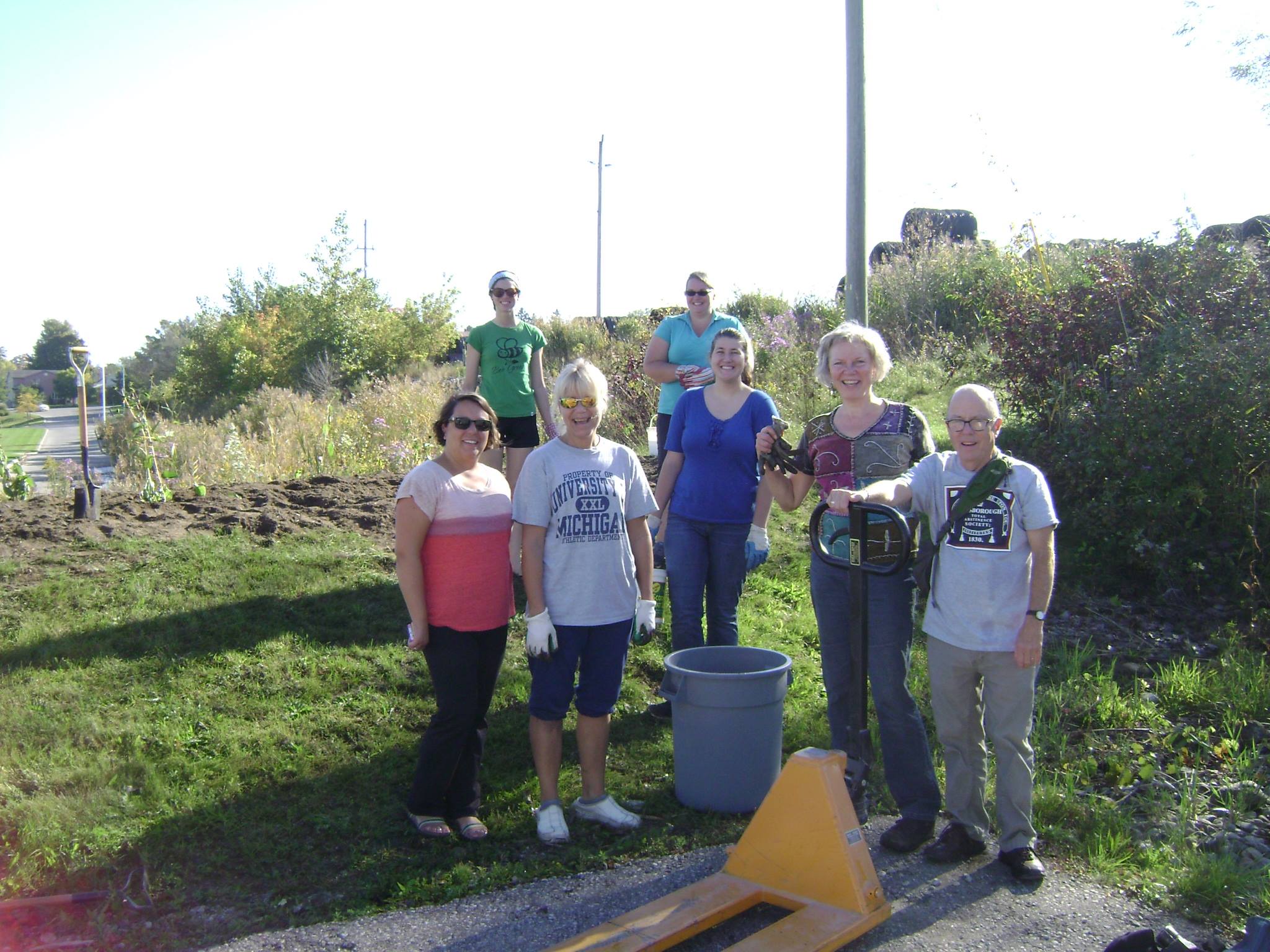


Thanks to Sarah Cameron and Robin House for submitting these photos of this past Saturday’s installation of a Pollination Garden at the Ingersoll Paper Box Co. Ltd.
Milksnake (Lampropeltis Triangulum)


Description:
Most often seen at night while hunting, the milksnake is grey or tan with alternating red or reddish-brown blotches (outlined in black) along its back and sides, its belly looks like black and white checkerboard. The milksnake can grow to be one metre in length or more. In early spring, the female lays approximately 3-24 eggs and the babies will hatch about 7-20 weeks later, with a life span of approximately 7 years, but have been known to live up to 20.
Status:
Important Dates:
Range:

Habitat:
Threats:
Protection:
What YOU Can Do To Help:
FUN FACTS:

Download your order form: IDNC Poinsettias Order Form.
Tonight is your chance to learn more about the beautiful creature that is the Monarch Butterfly! Bring your family out the Ingersoll Library for an informative and interesting presentation and learn how you can “Save the Monarchs!” 
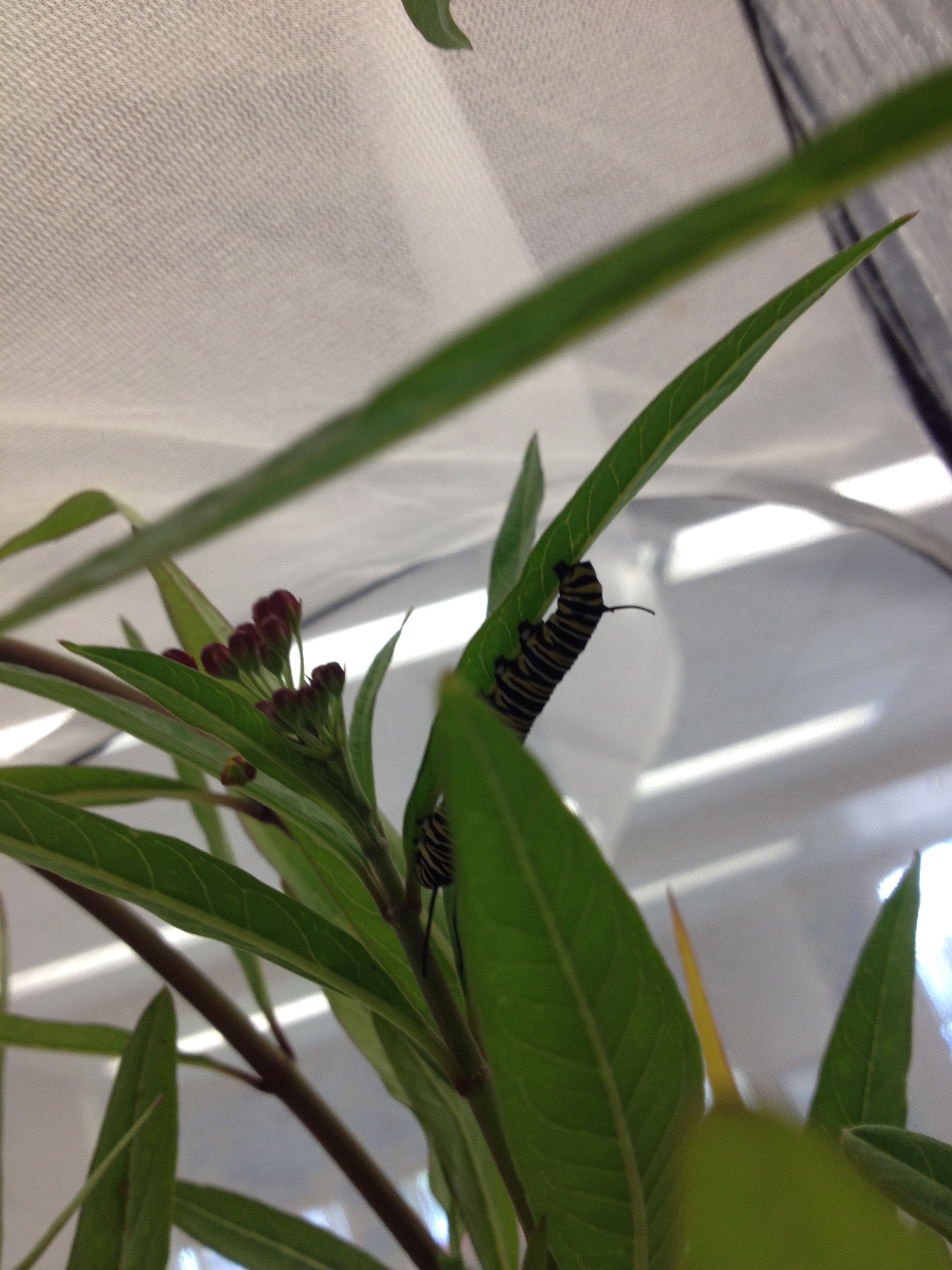
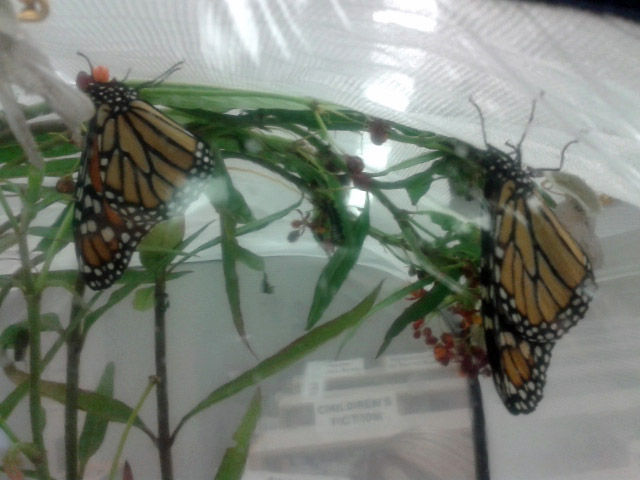
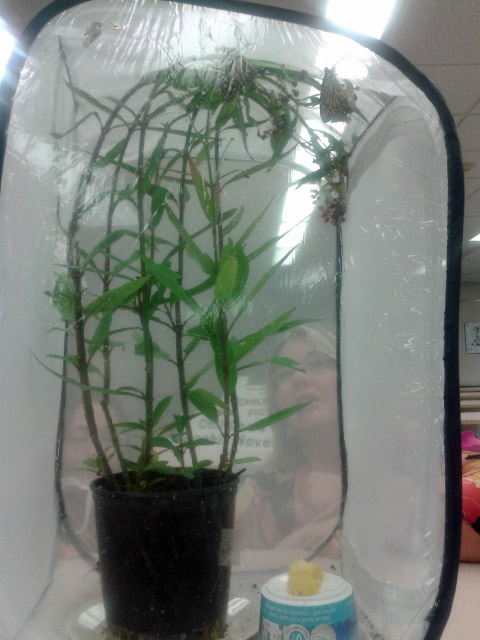
There are new chrysalides and caterpillars to be seen at the Ingersoll Library. Stop by and pay them a visit.


Snapping Turtle (Chelydra serpentina)
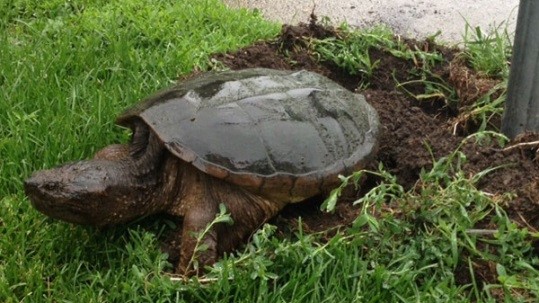
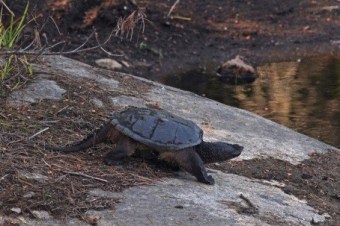

Description:
The Snapping Turtle is a prehistoric looking, stegosaurus like (when moving) freshwater turtle. Its long tail, often longer than its body, has triangular spikes along the top. The upper shell is tan or black in colour and is often covered in algae. Reaching an average length of 20-36cm (max of 47 cm) and weight of 10-35lbs, the Snapping Turtle is Canada’s largest freshwater turtle. In Ontario, females do not begin to breed until they reach 17 to 19 years of age. Their nests are dug in late May or June, with hatchlings making their appearance in late fall. Snappers are omnivorous (feeding on both plant and animal origin) and feed on various aquatic plants and invertebrates, as well as fish, frogs, snakes, smaller turtles and aquatic birds.
*Note:
In Ontario, all native turtle species protected from hunting except the Snapping Turtle. The hunting season for the snapper is from July 15 to September 15 in central and southern Ontario, and year round in Northern Ontario. In 2009, Ontario Nature Organization began writing the Ministry of Natural Resources requesting that they remove the snapping turtle from the game list. However, with no response they subsequently wrote again in 2010, requesting a policy review of the hunting regulation. In February 2011, the Ministry rejected same and instead expressed their intention to prepare a Management Plan by September 2014 – this has yet to be published.
Status:
Important Dates:
Range:

Habitat:
Threats:
Protection:
What YOU Can Do To Help:
FUN FACTS:

Enclosed are a list of links for you to start your journey to discovering the beauty of nature in Oxford along the trails in our area:
http://www.tourismoxford.ca/What-to-do/Trails
http://www.informationoxford.ca/index.php/events/category/9579
http://www.oxfordcounty.ca/Things-to-Do/Trails-parks/Oxford-County-Trails
http://www.oxfordcountytrailscouncil.ca/trails-in-oxford.html
https://www.facebook.com/pages/Oxford-County-Trails-Council/308508501941
http://www.tourismoxford.ca/Birding-Trails
http://www.informationoxford.ca/index.php/events/category/9579
http://www.whatthehealth.ca/Portals/WhatTheHealth/Documents/TrailGuide2008.pdf
http://whattravelwriterssay.com/oxfordcounty1feb09.html
We have continued to visit the Monarch Butterfly exhibit at the Ingersoll Library and are pleased to report that there are now three beautiful monarch butterflies that visitors can see. In addition to attending the Marvelous Monarch presentation at the Library on September 23 (6:30-7:30 pm), we encourage everyone to come check out the butterflies for themselves.

 Ingersoll District Nature Club