
Live Shagreen snails have been discovered near Woodstock by Scott Gillingwater, Species at Risk Biologist. The Shagreen is a terrestrial snail that is endangered both provincially and federally, and was thought to persist on only two islands – meaning this location could be home to the last remaining mainland population in Canada. Find out more in the Upper Thames River Conservation Authority’s media release.
Author: ingersolldistrictnatureclub
Campfire Safety For The Whole Family
We all have fond childhood memories of a crackling campfire. It can be the highlight of a camping trip!
Let’s keep those memories positive by making sure even the littlest members of the family know the ins and outs of fire safety.
The Ontario Parks blog has a list of campfire safety tips.
Mental Health Benefits Of Spending Time In Nature
Mental illness affects one in five Canadians in any given year.
Ontario Park has published an article talking about what nature can do for your mental health.
Are You Furrgetting Something?
“Are you furrgetting something?” – Your dog when you go for a hike without them.
The beauty of a hike does not need to be enjoyed alone; your dog can be the perfect companion as you adventure through your favourite park!
Do it well by planning before stepping foot, or paw, on the trail: https://bit.ly/49M2ZmE
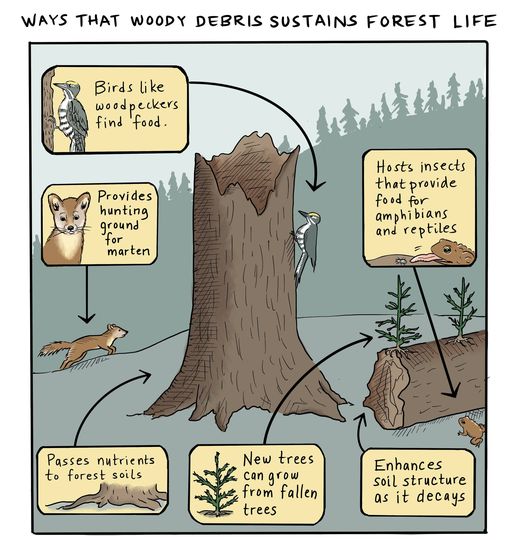
Ways That Woody Debris Sustains Forest Life
From the David Suzuki Foundation:
A fallen tree is a forest ecosystem’s treasure. Unearth the beauty and importance of ‘coarse woody debris’ and learn why leaving it in forests is not “waste.”
Ingersoll Library Lecture Series – Nature Notes 4
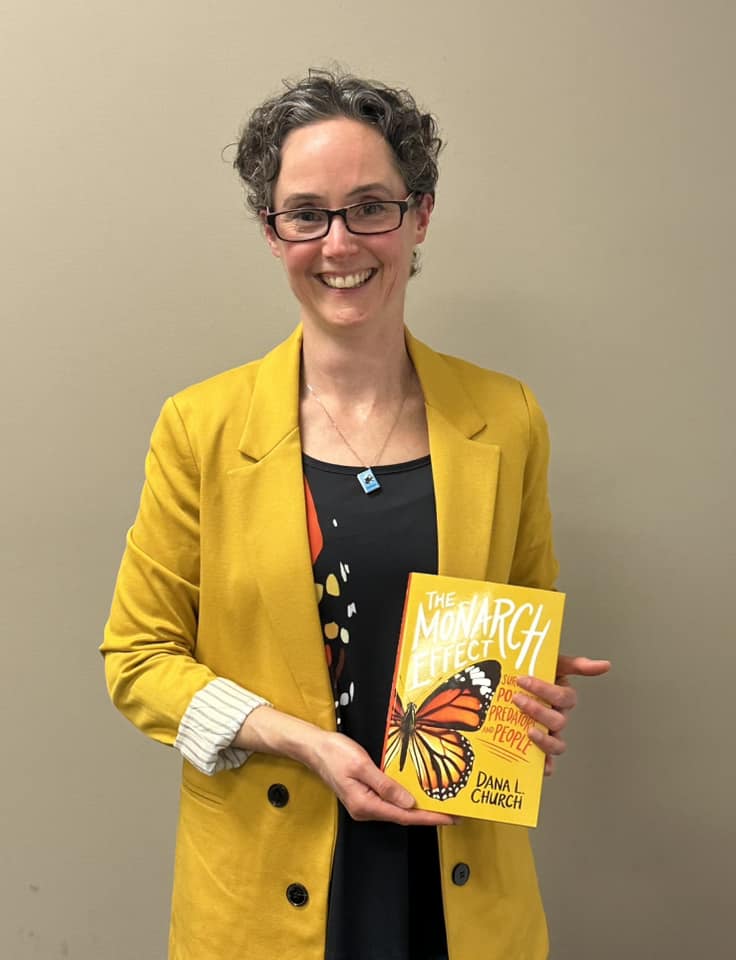
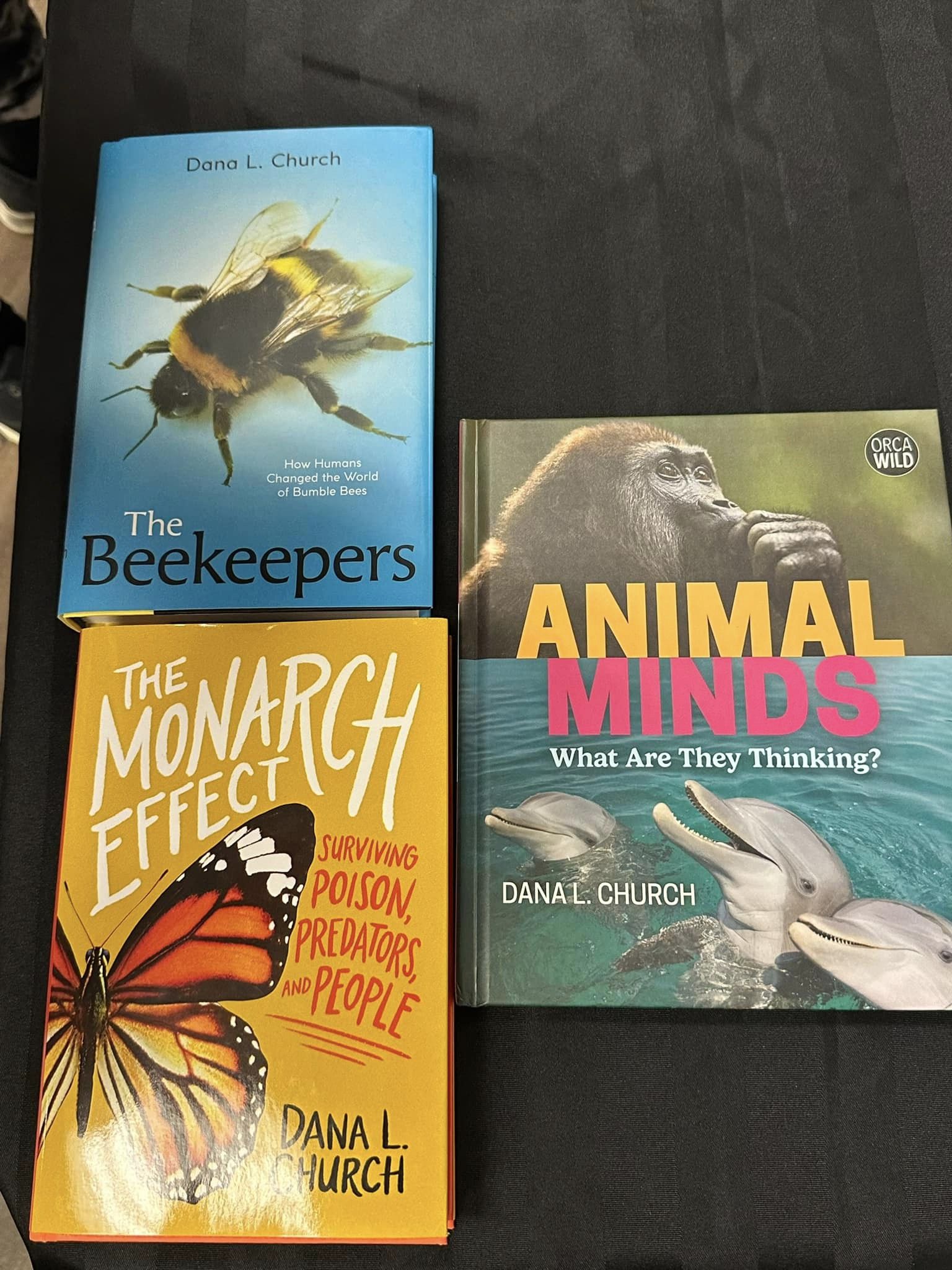
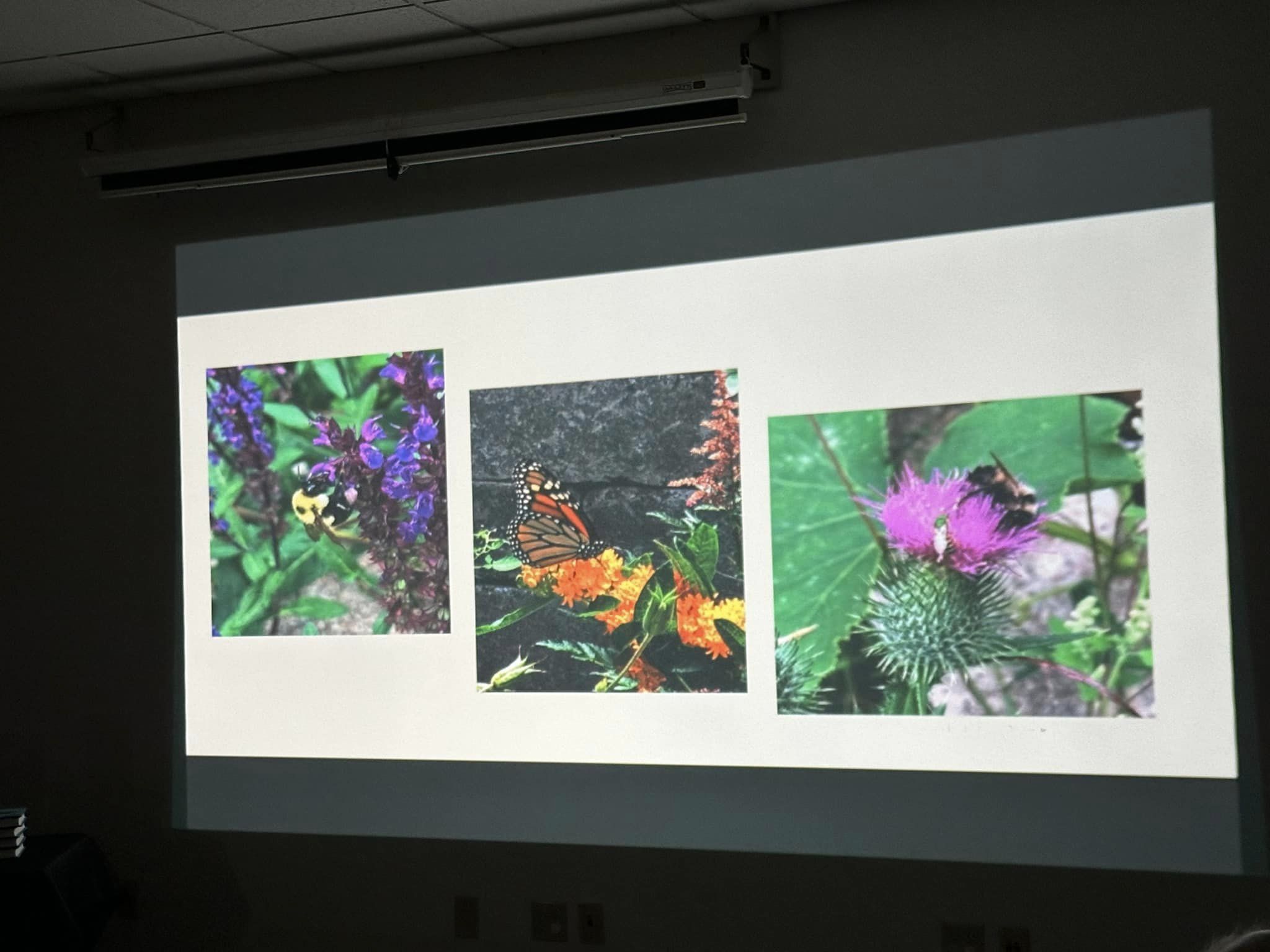
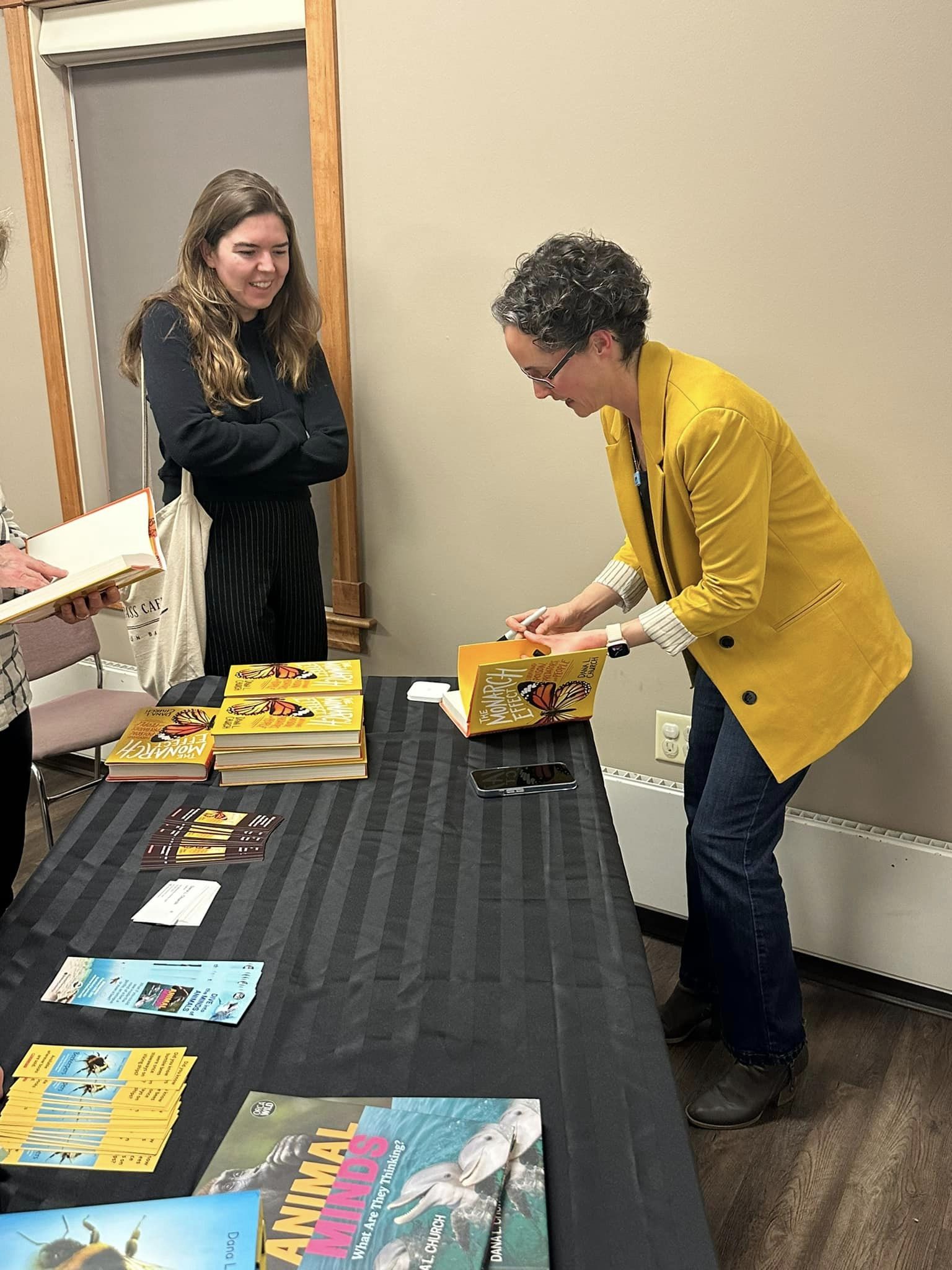
All in attendance thoroughly enjoyed Dana Church’s talk on April 17, 2024, on Bees, Monarchs and Climate Change and her book sales were brisk! This was the last of this year’s IDNC Nature Notes lecture series. Thanks to the Ingersoll Public Library for co-hosting.
Tree Flowering Time Is Here
From the Upper Thames River Conservation Authority:
It’s flowering season for most of our native trees and shrubs! While all trees and shrubs produce flowers, not all produce showy blooms.
Wind pollinated trees like maples and oaks produce a lot of lightweight pollen that is carried in the air to other tree flowers of the same species. They trade off the expense of developing methods that attract pollinators, like petals and scents.
Insect-pollinated trees and shrubs like dogwoods and tulip trees use colourful or fragrant flowers to attract insects to them. In return, the pollinators (bees, butteflies, etc.) get nectar and pollen to eat. In the process, the sticky pollen gets stuck to them, so they carry it over to the next blossom of the same species for pollination.
Find out more in our Thames River Current newsletter.
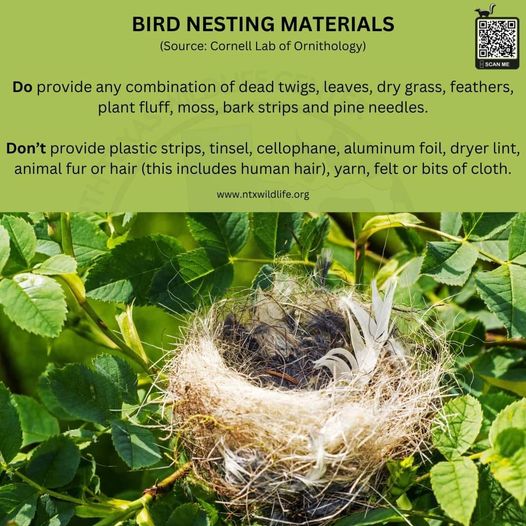
Bird Nesting Materials
From Heroes 4 Wildlife:
Birds make amazing nests and believe me, we get why you’d want to help. Here’s some great ways to help our nest building friends!
Saving Ontario’s Disappearing Wetlands – The Goulbourn Wetland Complex
From Ontario Nature:
In the past year, over 156 hectares of wetlands lost their provincially significant wetland designation and the strong provincial protection that designation imparts.
Ask The Federal Government To Re-designate Highway 413 For An Impact Assessment
From Ontario Nature:
Did you know the proposed #Highway413 will cause irreversible environmental devastation? Please ask your MP to ensure it undergoes a federal environmental assessment.
 Ingersoll District Nature Club