
Tonight is your chance to learn more about the beautiful creature that is the Monarch Butterfly! Bring your family out the Ingersoll Library for an informative and interesting presentation and learn how you can “Save the Monarchs!” 
Author: ingersolldistrictnatureclub
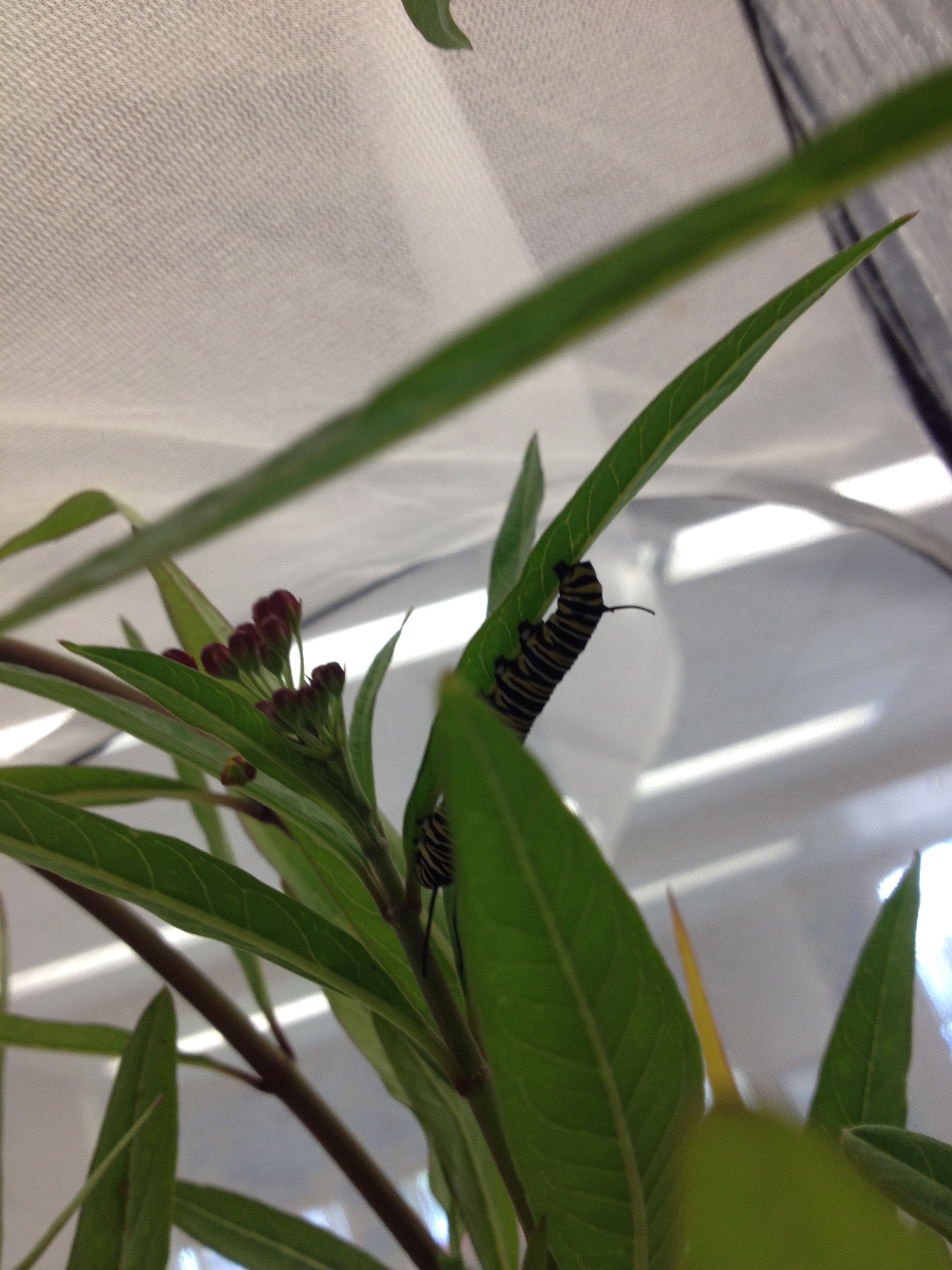
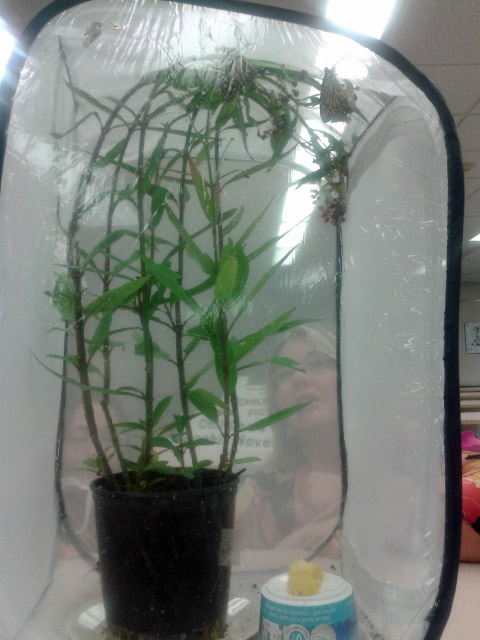
New Monarch Chrysalides & Caterpillars At Ingersoll Library
There are new chrysalides and caterpillars to be seen at the Ingersoll Library. Stop by and pay them a visit.


This Week’s Endangered Species In Focus: Snapping Turtle (Chelydra serpentina)
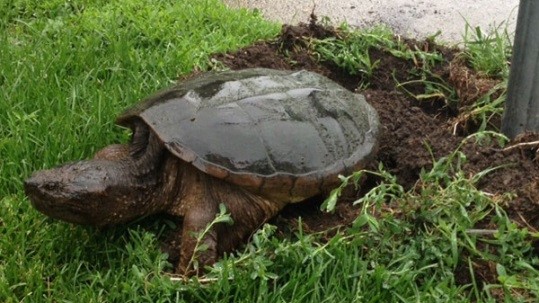
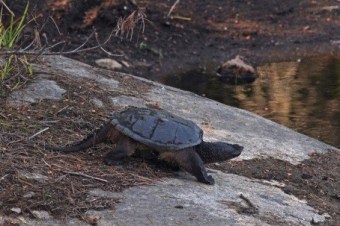
Snapping Turtle (Chelydra serpentina)

Description:
The Snapping Turtle is a prehistoric looking, stegosaurus like (when moving) freshwater turtle. Its long tail, often longer than its body, has triangular spikes along the top. The upper shell is tan or black in colour and is often covered in algae. Reaching an average length of 20-36cm (max of 47 cm) and weight of 10-35lbs, the Snapping Turtle is Canada’s largest freshwater turtle. In Ontario, females do not begin to breed until they reach 17 to 19 years of age. Their nests are dug in late May or June, with hatchlings making their appearance in late fall. Snappers are omnivorous (feeding on both plant and animal origin) and feed on various aquatic plants and invertebrates, as well as fish, frogs, snakes, smaller turtles and aquatic birds.
*Note:
In Ontario, all native turtle species protected from hunting except the Snapping Turtle. The hunting season for the snapper is from July 15 to September 15 in central and southern Ontario, and year round in Northern Ontario. In 2009, Ontario Nature Organization began writing the Ministry of Natural Resources requesting that they remove the snapping turtle from the game list. However, with no response they subsequently wrote again in 2010, requesting a policy review of the hunting regulation. In February 2011, the Ministry rejected same and instead expressed their intention to prepare a Management Plan by September 2014 – this has yet to be published.
Status:
- Special Concern Provincially and Nationally
Important Dates:
- September 10, 2009: Species designated At Risk;
Range:
- In Canada, the Snapping Turtle can be found from Saskatchewan to Nova Scotia;
- In Ontario, it is primarily found in Southern Ontario – see Ontario Nature’s map below for its range:

Habitat:
- Occasionally emerging from the water to bask, the Snapping Turtle spends most of its life in the water and prefers it to be shallow so that it’s convenient for them to hide under the soft mud and siltation;
- The females often place their nest sites at the side of the road, an embankment or the shoreline
Threats:
- During the summer months, the Snapping Turtle crosses roads in search of mates, food and nesting sites. This to and from action puts them at risk of getting run over by oncoming traffic;
- Eggs and nests around urban and agricultural areas are subject to predators such as Raccoons Skunks;
- Due to the length of time it takes for the snapping turtle to reach maturity, the survival and maintenance of the adult species is primal;
- Illegal poaching and harvesting continues to threaten the snapper
Protection:
- Listed as a Special Concern under the Endangered Species Act, 2007 ;
- Listed as a Special Concern under the federal Species At Risk Act (SARA) ;
- Designated as a Specially Protected Reptile under the Fish and Wildlife Conservation Act, 1997 ;
What YOU Can Do To Help:
- Visit the Ontario Nature Organization to learn more about their Reptile and Amphibian Stewardship program;
- Between May to October, watch for turtles crossing the roads;
- Volunteer at your local Nature Club to learn more about protecting our local species and their habitats;
- If you encounter a Snapping Turtle, or it’s nest in the wild, contact the Natural Heritage Information Centre and report your sighting here;
- Protect the wetlands surrounding your property to maintain a healthy environment for this and other rare plant and animal species;
- Visit the Toronto Zoo’s Ontario Turtle Tally Website (here) to learn how you can participate in this exciting project
FUN FACTS:
- The snapping turtle spends so much time underwater that algae grows on its shell; this helps them blend in with their surroundings;
- Snapping Turtles are believed to live well over 100 years;
- The temperature that the eggs are incubated at, will determine the sex of the hatchlings. Eggs kept at 23-28° will produce male turtles, whereas eggs incubated at any other temp. will become females;
- Snapping turtles nests contain up to 50 small round eggs, whereas other Ontario turtles will lay only 3-15 small oval eggs;
- The snapper’s plastron (lower shell) is much smaller than the upper carapace (upper shell). Therefore, when feeling threatened, this turtle can’t withdraw into its shell for protection. While on land, its only manner of defence is to snap repeatedly and scare the predator away. Although in water, the snapping turtle rarely snaps and will likely swim away when threatened.
Reminder: There’s Still Time To Enter Our Photo Contest

Looking For More Information On Trails In Oxford County?
Enclosed are a list of links for you to start your journey to discovering the beauty of nature in Oxford along the trails in our area:
http://www.tourismoxford.ca/What-to-do/Trails
http://www.informationoxford.ca/index.php/events/category/9579
http://www.oxfordcounty.ca/Things-to-Do/Trails-parks/Oxford-County-Trails
http://www.oxfordcountytrailscouncil.ca/trails-in-oxford.html
https://www.facebook.com/pages/Oxford-County-Trails-Council/308508501941
http://www.tourismoxford.ca/Birding-Trails
http://www.informationoxford.ca/index.php/events/category/9579
http://www.whatthehealth.ca/Portals/WhatTheHealth/Documents/TrailGuide2008.pdf
http://whattravelwriterssay.com/oxfordcounty1feb09.html
Update: Monarch Butterflies At The Ingersoll Library
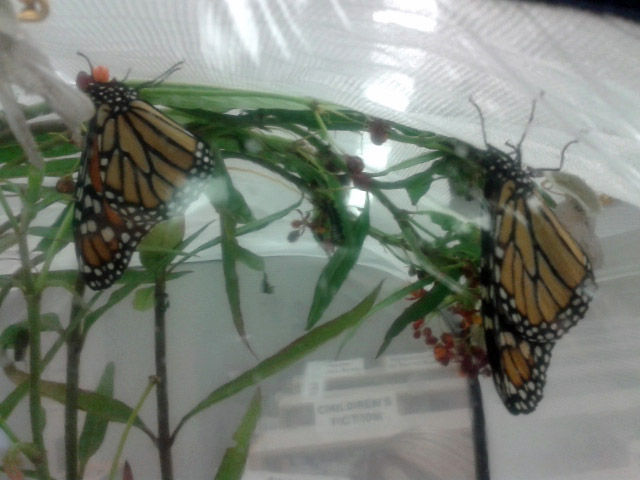
We have continued to visit the Monarch Butterfly exhibit at the Ingersoll Library and are pleased to report that there are now three beautiful monarch butterflies that visitors can see. In addition to attending the Marvelous Monarch presentation at the Library on September 23 (6:30-7:30 pm), we encourage everyone to come check out the butterflies for themselves.

This Week’s Endangered Species In Focus: Green Dragon (Arisaema dracontium)

Description:
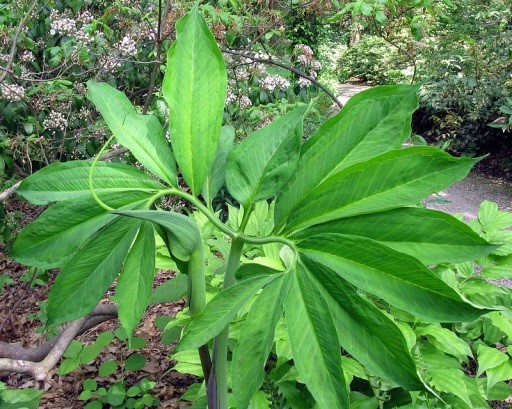
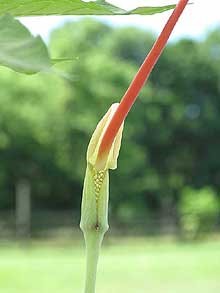
The Green Dragon is a perennial wildflower which grows 15 to 90 cm tall. It is mostly found in wet forests along streams, and forests inhabited with Maple trees. Its leaves are slender and arranged in a semicircle at the top of the plant, it has a dense cluster of bright red berries, with light yellow seeds in each berry. It has one long protruding stem that will flower in May and June (from which the berries will grow in late summer).
Status: Special Concern Provincially and Nationally
Important Dates:
June 30, 2008: Species Listed At Risk
June 28, 2013: Management Plan created for the Green Dragon
January 20, 2014: Government Response Statement is created
Range:
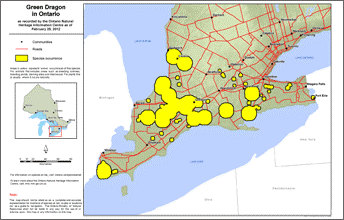
- In Canada, the Green Dragon occurs in southern Ontario and southwestern Quebec;
- The following map, provided by the Ontario Natural Heritage Information Centre shows the species occurrence in Ontario:
Habitat:
- Typically found along the river’s edge and in wet deciduous forests, particularly maple forests and forests dominated by the Red Ash and White Elm trees.
Threats:
- An estimated 50 sites across Ontario have been lost due to forest clearing in developing areas;
- The main threats are habitat loss and degradation;
- Because of the species’ special adaptations to the floodplain habitat, flood control by conservation authorities may be contributing to its low survival rate.
Protection:
- Visit Carolinian Canada Coalition’s Grow Wild Campaign (here) and learn how you can participate in protecting our endangered plant species;
- The Management Plan created in June 2013, advises the Ministry of Natural Resources on ways to ensure healthy numbers of the species return to Ontario. The plan identifies actions that can be taken to ensure that it does not become threatened or endangered.
What YOU Can Do To Help:
- Should you come across a Green Dragon in its habitat, contact the Natural Heritage Information Center and report your sighting in detail here;
- If you know the Green Dragon is growing on your land, contact the Ministry of Natural Resources and Forestry to find out about becoming a steward in support of protecting the species;
- As a wildflower, the Green Dragon plays a significant role in the pollination process. The population of pollinators (flying insects) is on a steep decline, contact Pollination Canada (here) to find out more;
- Do NOT collect the plant for medicinal, ornamental or any other personal uses;
- Fencing may be necessary to keep livestock out of the stream banks – grazing causes erosion, soil compaction, reduced water quality and damage to vegetation;
- Become a member with your local Nature Organization and learn more about identifying invasive and endangered species.
FUN FACTS:
- The Green Dragon’s root is bitter tasting and poisonous unless specially prepared, but it was used medicinally by Aboriginal people and European settlers;
- When viewed from the side, it’s possible to imagine a silhouette of dragon wings;
- The Menomiee tribe of Wisconsin once used the root of the Green Dragon to create sacred bundles meant to encourage second sight in dreams.
Visit The Ingersoll Library To See Monarch Caterpillars and Chrysalides…
And now butterflies…
During September 2014, Monarch caterpillars and chrysalides have been on display at the Ingersoll Library. Soon after their arrival, we caught our first glimpse of Monarch Butterfly.
You can view the video of that first glimpse at http://youtu.be/xPkdd0uvNK4
You can learn more about the Monarch Butterflies at the Marvelous Monarchs presentation at the Ingersoll Library on Tuesday, September 23 from 6:30-7:30 pm. All ages are invited to join us and learn about the importance of the Monarch butterflies, their life cycel and how we can help reverse their declining numbers.
List of September Events For The Ingersoll District Nature Club
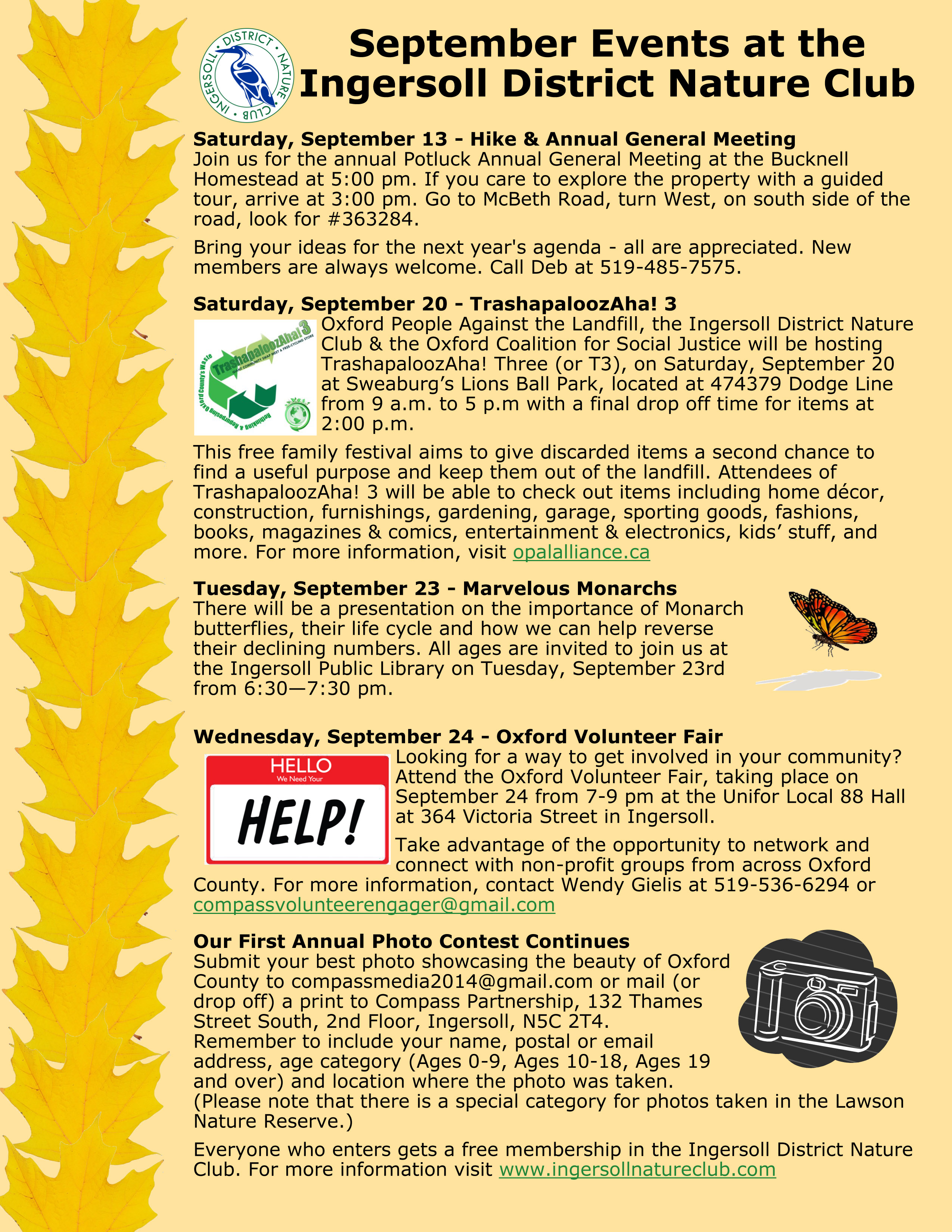 Summer may be almost over, the kids are back to school and the trees are beginning to turn colours. But just because September is here doesn’t mean that there isn’t lots to do in our community. Download our handy list of upcoming events that the Ingersoll District Nature Club will be involved in.
2014 09 09 IDNC September Events
IDNC Needs Help In Bridge Rebuilding Project
On Friday Sept 19th, the Ingersoll District Nature Club will be rebuilding the bridge at the Lawson Tract on the McBeth Road.
Darwin Kent is reporting that the project could use some help. Three beams that are 16-feet long need to be maneuvered into position that span the creek.
Presently there are three people involved but to be successful, two more people will need to be enlisted.
If you are available and willing to help or know someone that is please contact Darwin at darwin@kwic.com.
 Ingersoll District Nature Club