

Author: ingersolldistrictnatureclub
This Week’s Endangered Species In Focus: Large Whorled Pogonia (Isotria Verticillata)
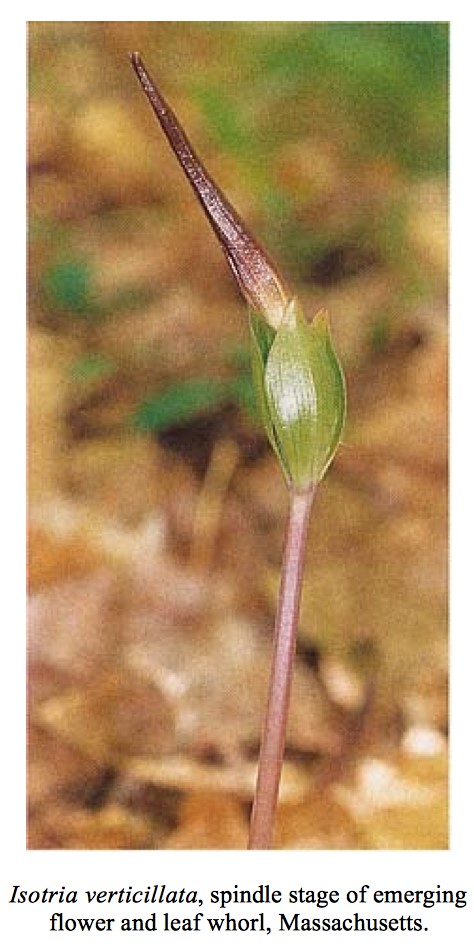
The large-whorled pogonia was already assessed as endangered when the Endangered Species Act took effect in 2008.
What it looks like
Large Whorled Pogonia is a member of the orchid family. This small and inconspicuous plant reaches about 30 centimetres in height.
Features
The Large Whorled Pogonia (Isotria verticillata) is a tall (up to 40cm) orchid whose flower has greenish yellow petals and a white and crimson-purple “lip”. There are three long, narrow, dark purple sepals at the base of the flower. A short stalk or “peduncle” supports the orchid flower atop a whorl of five unstalked leaves at the summit of the plant’s smooth, hollow main stem. This species grows in acidic soils in moist deciduous or coniferous woods or in sphagnum bogs.
Large Whorled Pogonia flowers from late May to early June, producing a single yellowish-green flower just above a whorl of five to six leaves. The flower is mildly fragrant and is pollinated mainly by bees. The seeds require the presence of specific fungi to germinate.
Where it lives
In Ontario, Large Whorled Pogonia has been found in deciduous or mixed forests with sandy soil and a thick layer of leaf litter. A relatively open forest canopy is required so that enough light can reach the plant.
Range:
The Large Whorled Pogonia occurs from New England, southwestern Ontario and Michigan south to Texas and Florida.
In Canada, there are three records in southwestern Ontario.The site of its original 1879 discovery in Ontario apparently no longer exists. The species was considered extirpated (regionally extinct) for many years until discovered at a site in Haldimand-Norfolk in 1965. In addition to this site, it is known from two other southwestern Ontario locations, both discovered in the mid-1980’s
The last recorded sighting of Large Whorled Pogonia in Ontario was in 1996, when a single plant was found.
Threats: Although this species has a very restricted distribution at its northern range limits in Ontario, it is reasonable to suppose that some habitats were lost historically as a result of the removal of forest. This orchid is known for its tendency to enter a dormancy period, lasting for several years, after which numbers may reappear. Therefore, any site from which it disappears for no known reason should be monitored. Fire may help to stimulate flowering in this orchid. Attempts to grow the Large Whorled Pogonia from seed have met with little success, and it does not usually survive transplantation.
Excessive shade, invasive species such as exotic earthworms and Garlic Mustard, changes in water levels such as flooding, soil compaction, trampling and loss of the soil fungi depend on for survival, are all likely contributors to the decline or loss of this species at sites in Ontario.
Action we are taking
Endangered Species and their general habitat are automatically protected. The Large Whorled Pogonia is listed in regulation under Ontario’s Endangered Species Act, 2007, which protects the species and its habitat. The Natural Heritage component of the Provincial Policy Statement under the Planning Act provides for the protection of significant portions of the habitat of species listed in regulation under the E.S.A. One Ontario population of this orchid occurs in a protected area. Ontario’s Conservation Land Tax Incentive Program (CLTIP) will provide 100% tax relief to private landowners for the portion of their property (minimum size 0.5 acres) determined to be habitat of species in regulation under the E.S.A. The CLTIP program recognizes, encourages and supports private land stewardship. International trade in orchids or their parts is controlled under CITES (Convention on International Trade in Endangered Species of Wild Fauna and Flora).
Recovery strategy
A recovery strategy advises the ministry on ways to ensure healthy numbers of the species return to Ontario.
Government response statement
A government response statement outlines the actions the government intends to take or support to help recover the species.
What you can do
Report a Sighting
The Ministry of Natural Resources tracks species at risk such as the Large whorled pogonia. You can use a handy online form to report your sightings to the Natural Heritage Information Centre. Photographs with specific locations or mapping coordinates are always helpful.
Volunteer
Volunteer with your local nature club or provincial park to participate in surveys or stewardship work focused on species at risk.
Private land owners have a very important role to play in species recovery. If you find large whorled pogonia on your land, you may be eligible for stewardship programs that support the protection and recovery of species at risk and their habitats.
Invasive species seriously threaten many of Ontario’s species at risk. To learn what you can do to help reduce the threat of invasive species, visit:
Pollinators, such as bees, are in steep decline across the globe and they play a key role in the survival of many of Ontario’s rare plants. For information on how you can help scientists monitor pollinator populations in Ontario visit: www.seeds.ca/proj/poll
The Carolinian forests of southern Ontario support an amazing diversity of plants and wildlife, including many species at risk. Carolinian Canada is working to help recover species at risk and their habitats. For more information, visit: http://www.carolinian.org/SpeciesHabitats.htm
Report illegal activity
Report any illegal activity related to plants and wildlife to 1-877-TIPS-MNR (847-7667).
Quick facts
- As do all orchids, Large Whorled Pogonia has a symbiotic relationship with fungus found in the soil, which means they are interdependent for nourishment and survival. The Large Whorled Pogonia will only produce seeds if the necessary fungus is present in the soil.
- The seeds of Large Whorled Pogonia are dispersed by the wind.
- Orchids can remain dormant in the soil before emerging when the conditions are suitable.
Learn More About Local Nature
Come out to the Ingersoll Library on August 15 to learn more about Pollination and Dragonflies & Damselflies.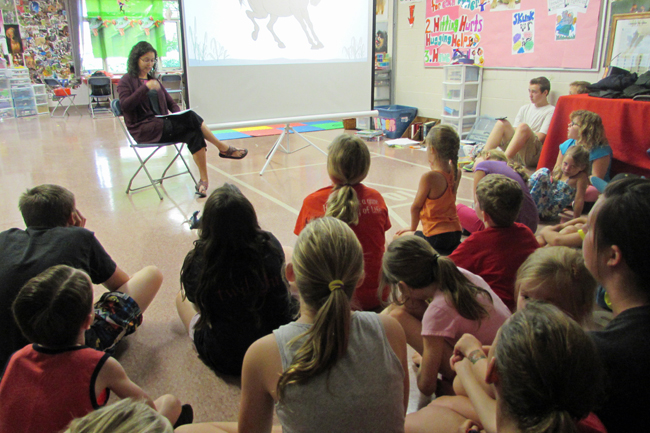

Learn More About Pollination And Dragonflies & Damselflies
Come out to the Ingersoll Library on August 15 to learn more about Pollination and Dragonflies & Damselflies.
First Issue Of The River Current Is Here!

Check out the first issue of The River Current, a brand new newsletter that is helping to spread the word about sustainment, recycling and the importance of nature in Oxford County. Look for it in your community and on-line.
Introducing The First Annual Ingersoll District Nature Club Photo Contest

Note: We will be updating information with regards to prizes shortly.
Smith’s Pond Garden – Update
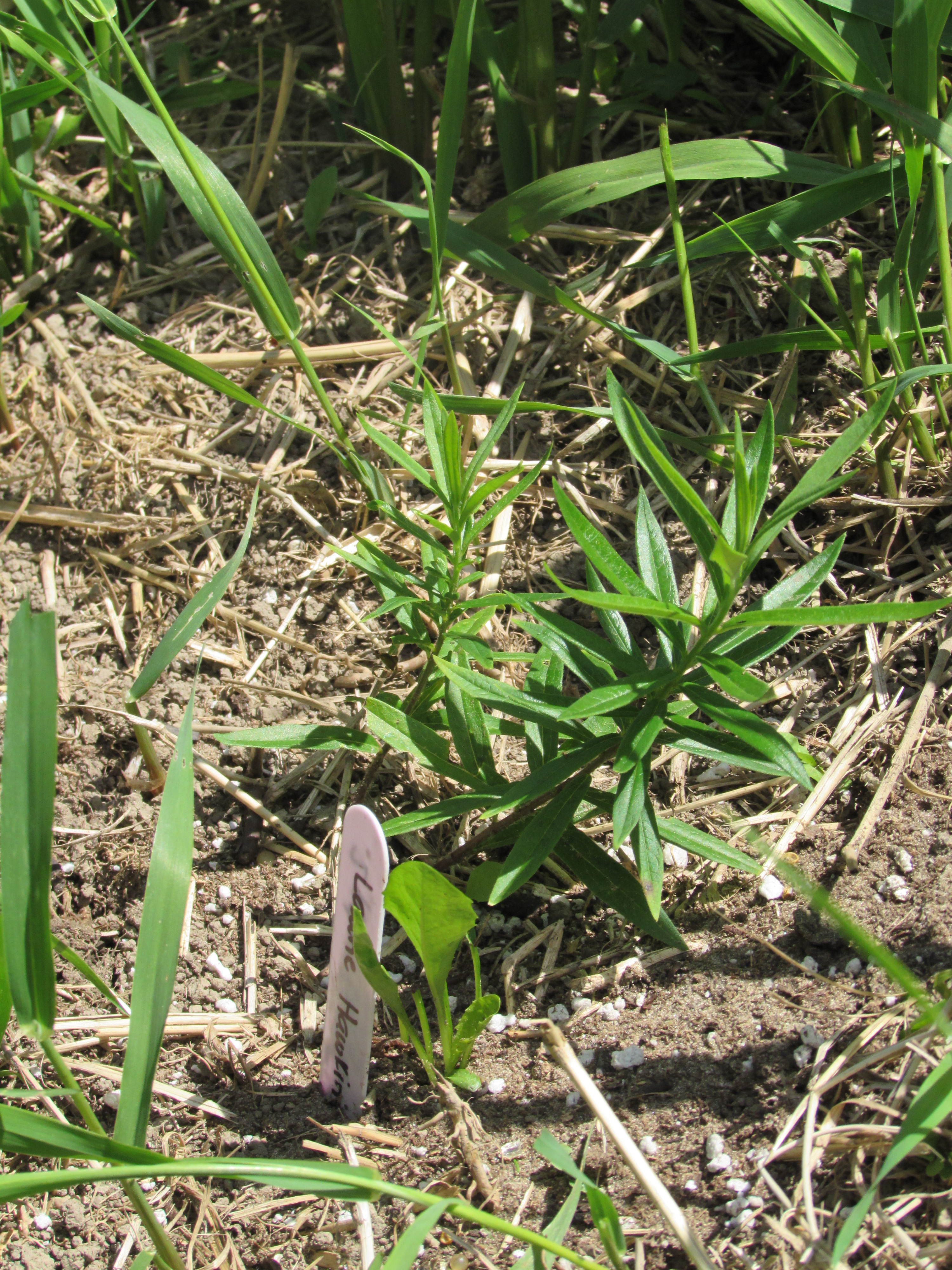
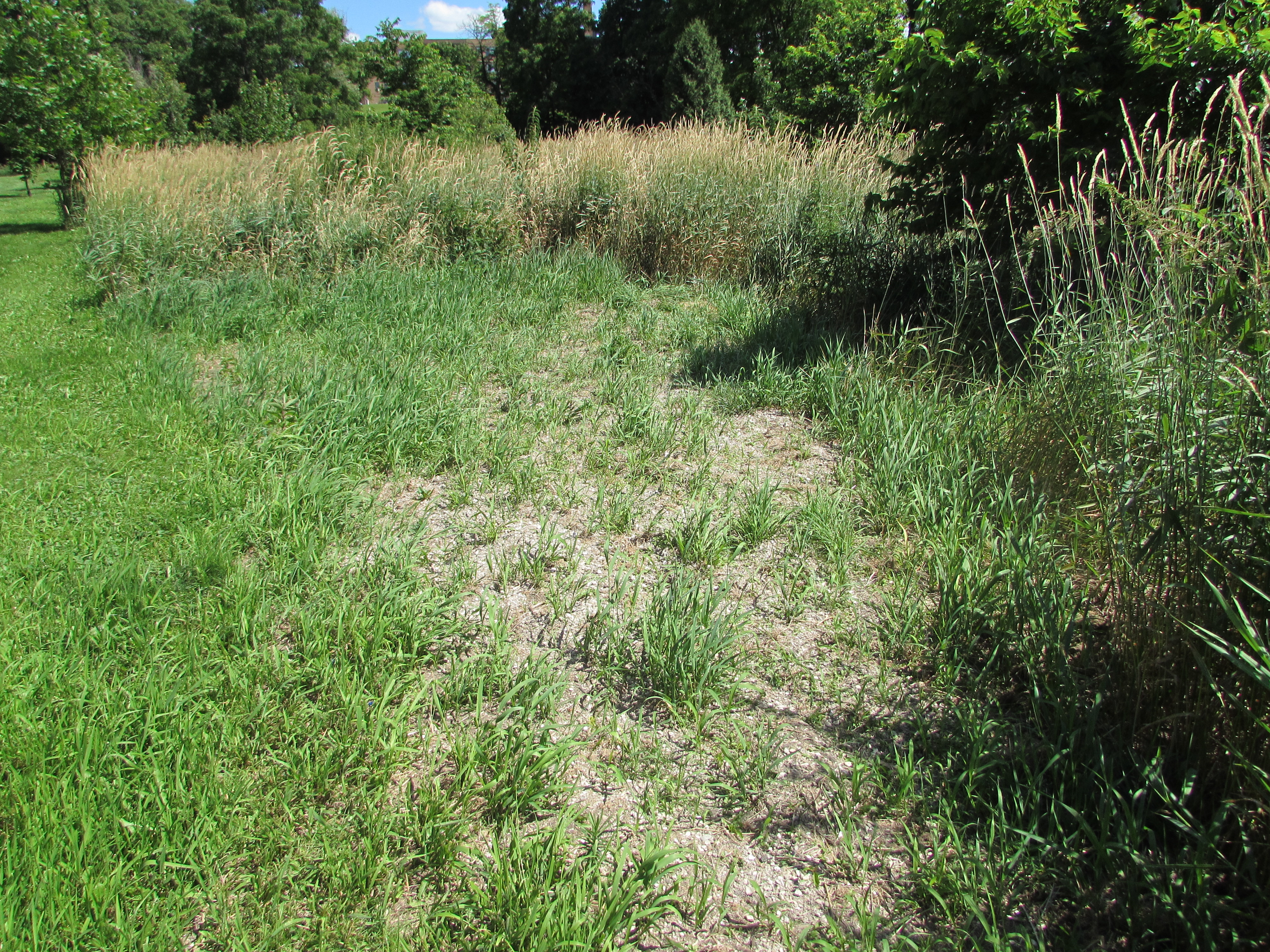
Some of you might recall the Heart FM report on the installation of a butterfly/pollination garden in Smith’s Pond in Ingersoll. (https://ingersollnatureclub.com/2014/06/24/smith-pond-park-project-heart-fm-story/) Last week, member of the Compass Partnership visited Smith’s Pond and documented the progress that the garden has made.


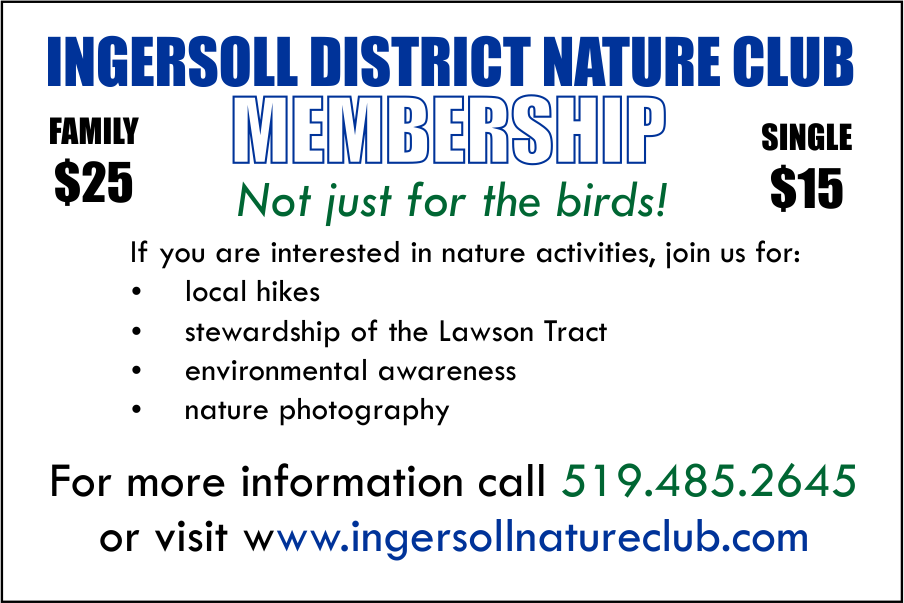
Join The Ingersoll District Nature Club – Find Out How!
Expressing Our Appreciation
The Ingersoll District Nature Club was saddened to learn of the passing of Auke Arthur (Art) DeJong on July 12. The Club wishes to express their appreciation of Art’s generous donation of the use of his rototiller in the recent installment of pollination gardens around the village of Ingersoll. These gardens will now serve as a reminder of his generation to our club and to this community.
This Week’s Endangered Species In Focus: Eastern Flowering Dogwood (Cornus florida)


Description:
The Eastern Flowering Dogwood is a small shrub or tree that reaches 3-10 metres in height. It has oval leaves arranged in pairs along its branches. In the spring, tiny yellow flowers grow in clusters at the end of small branches and are surrounded by showy white leaves that look like petals. In the fall, its leaves will turn to rich red-brown in colour and its berries/fruit ripen to a bright red. These berries are an important food source for our bird species, which in return distribute the seeds.
Status: Endangered Nationally
Important Dates:
February 18, 2009: Species Listed at Risk
February 18, 2010: Recovery Strategy Prepared
November 18, 2010: Government Response Statement Prepared
July 1, 2011: Species Granted Habitat Protection
Range:
- The range of Eastern Flowering Dogwood in Ontario is limited to the Carolinian Zone, a narrow band in southwestern Ontario, extending from the south eastern shore of Lake Huron, south eastward to the west end of Lake Ontario (southwest of Toronto, to Sarnia, to the shores of Lake Erie)
Habitat:
- When in the wild, the Eastern Flowering Dogwood can be found at the forest edge and most popular on dry ridges.
Threats:
- The spread of dogwood anthracnose disease/fungus has caused a dramatic decline in the Canadian population. This fungus first attacks the leaves of the tree, then spreads through the twigs and trunk. The origin of the pathogen has not been established, but it is suspected of being introduced from overseas; and
- Mowing the lawn can cause damage to the tree’s trunk or roots – this increases susceptibility to disease and pest pressure.
What YOU Can Do to Help:
- The planting of healthy, disease-free stock is priority, therefore, transplanting is strongly discouraged;
- In regions where dogwood anthracnose is a problem, homeowners and public land managers are encouraged to know the symptoms and inspect trees frequently;
- Contact your local Nature Club or Provincial Park to participate in surveys or stewardship work focused on species at risk; and
- Pollinators, such as bees, are in a steep decline across the globe and they play a key role in the survival of many of Ontario’s rare plants. For more information on this subject, visit http://www.seeds.ca/proj/poll or http://www.niagarabeeway.com/
FUN FACTS:
- The large white petals surrounding the yellow flower make an obvious target for insect pollinators in the spring;
- The bright red fruit produced by the Easter Flowering Dogwood is poisonous to humans, but can be eaten by over 50 species of birds and small mammals;
- Aboriginal people used Eastern Flowering Dogwood for medicinal purposes and used the wood for carving and making tools;
- Earlier names for the Eastern Family Dogwood include; American Dogwood, Florida Dogwood, Indian Arrowwood, Cornelian Tree, White Cornel, False Box and False Boxwood;
- The hard, dense wood has been used for products such as golf club heads, mallets, wooden rake teeth, tool handles, jeweler’s boxes and butcher blocks;
- Cornus florida is the state tree and flower of the state of Virginia. It is also the state tree of Missouri and state flower of North Carolina
 Ingersoll District Nature Club