
Nature Canada has some great programs to become involved in, including a Nature-Based Solutions Program, a Bird Friendly City Program and a Municipal Protected Areas Program, and more. Get to know each other and find the one for you. Find out more on their Facebook page.
Test Your Knowledge
From Ontario Nature:
Two new nature quizzes to test your knowledge and have some fun doing it!
Fun Facts About The Chickadee

From the Thames Talbot Land Trust:
Did you know these fascinating feathered friends are nature’s ultimate survivors? From their iconic “chick-a-dee” chorus to their winter survival skills, these little birds pack a big personality! They’re not just cute – they’re clever enough to create winter food stashes and remember hundreds of hiding spots!
Photo credit: Cathy Quinlan
Oxford County Trails Council’s Meeting Minutes
Minutes from the December 9, 2024, meeting of the Oxford County Trails Council are now available online.
What Do Trees Do In Winter?
From Ontario Parks:
They can’t go south; they’re stuck in one place. They can’t find a cozy den and hibernate. They just have to stand there, out in the weather and take it, no matter how cold, snowy, or windy.
Wildlife-Vehicle Collisions – A Threat To Both People And Nature
From Ontario Nature:
As reptiles and amphibians make their way back to hibernation spots, you’re bound to spot them crossing roads. Please stay vigilant and look out for wildlife crossing signs while you’re driving.
Exploring The Birds Of Ontario Presentation
If you enjoy birdwatching, the Ingersoll Public Library has a program for you. Check out the Exploring the Birds of Ontario presentation by David T. Chapman on November 20, 2024, at 4 -5 p.m. For more information, visit https://engagedpatrons.org/EventsExtended.cfm?SiteID=2048&EventID=540477&PK=
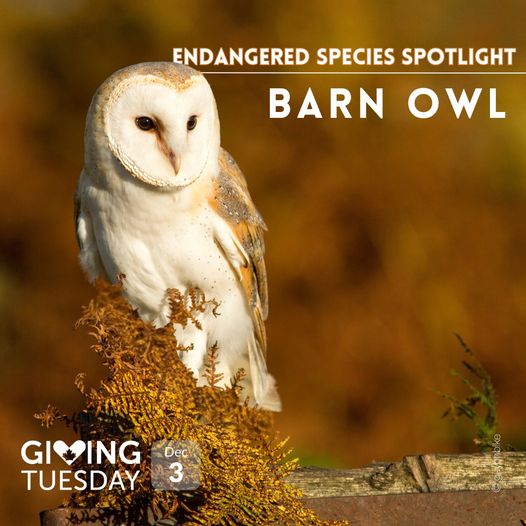
Endangered Species Spotlight: Barn Owl
From Ontario Nature:
This unique-looking owl can be readily recognized by its distinctive white heart-shaped face, black eyes, golden colouration and lightly speckled pale underside. It requires grassland habitats, which are being paved over by urbanization and development.
This #GivingTuesday please help us raise funds to protect endangered species: https://ow.ly/77Bq50TZPkn
The Great Grey Owl

From Nature Canada:
The Great Grey Owl has no regular migration, but is nomadic. Large numbers may move south or southeast in some winters in eastern Canada and extreme northeastern United States; this is apparently in response to a sudden drop in rodent populations. (source: National Audubon Society)
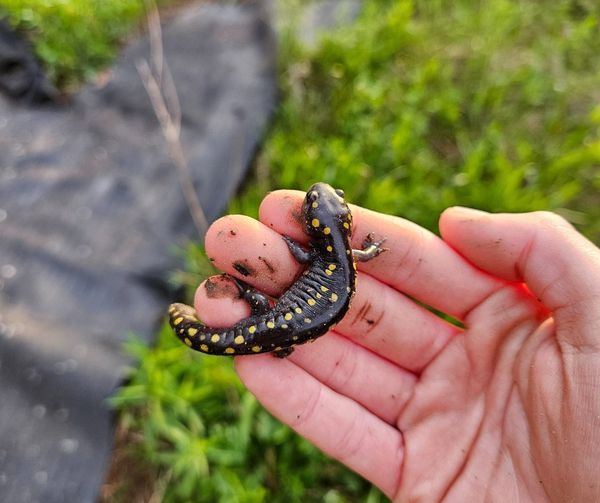
Spotted Salamanders
From Ontario Nature:
Spotted salamanders live in deciduous and mixed forests, typically within a few hundred metres of a breeding pond, and feed on insects and other invertebrates.
This species is active from late March to early November and can be found throughout southern Ontario. This little guy was found by our Conservation Science team earlier in the field season.
Read more about this species here: https://ow.ly/5pJ950S1f0x

