The Ingersoll District Nature Club is very proud to announce the success of Oxford County Pollination Awareness Week, which took place on November 25-27, held to raise awareness of the importance of pollinators to our community and the danger that neonicotinoids present to our environment.
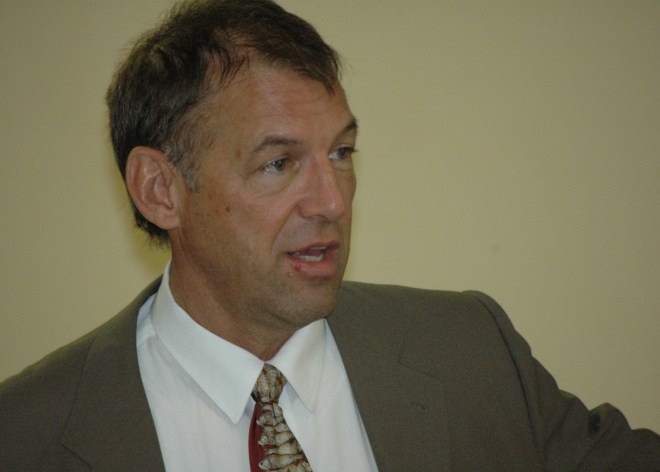
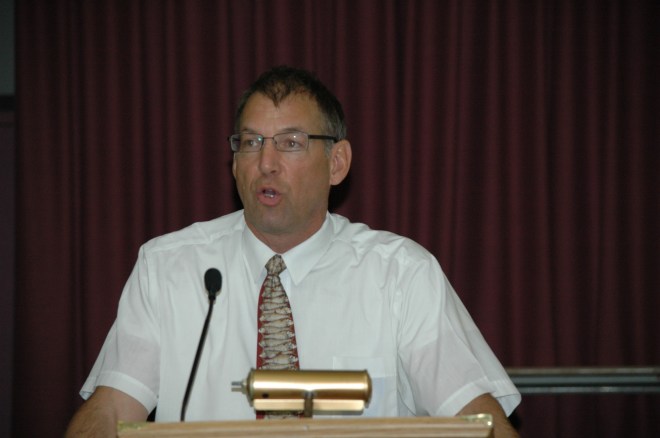
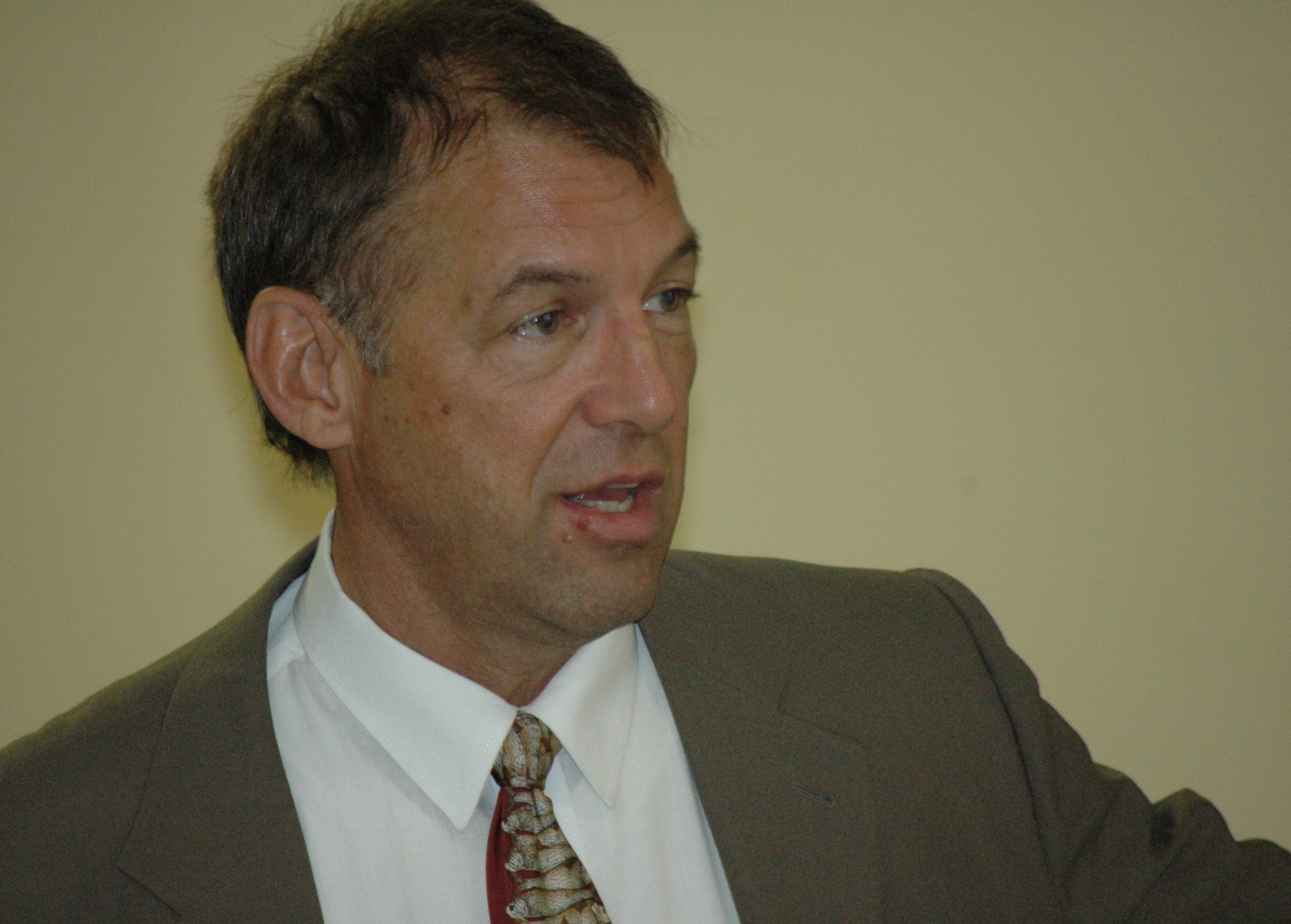
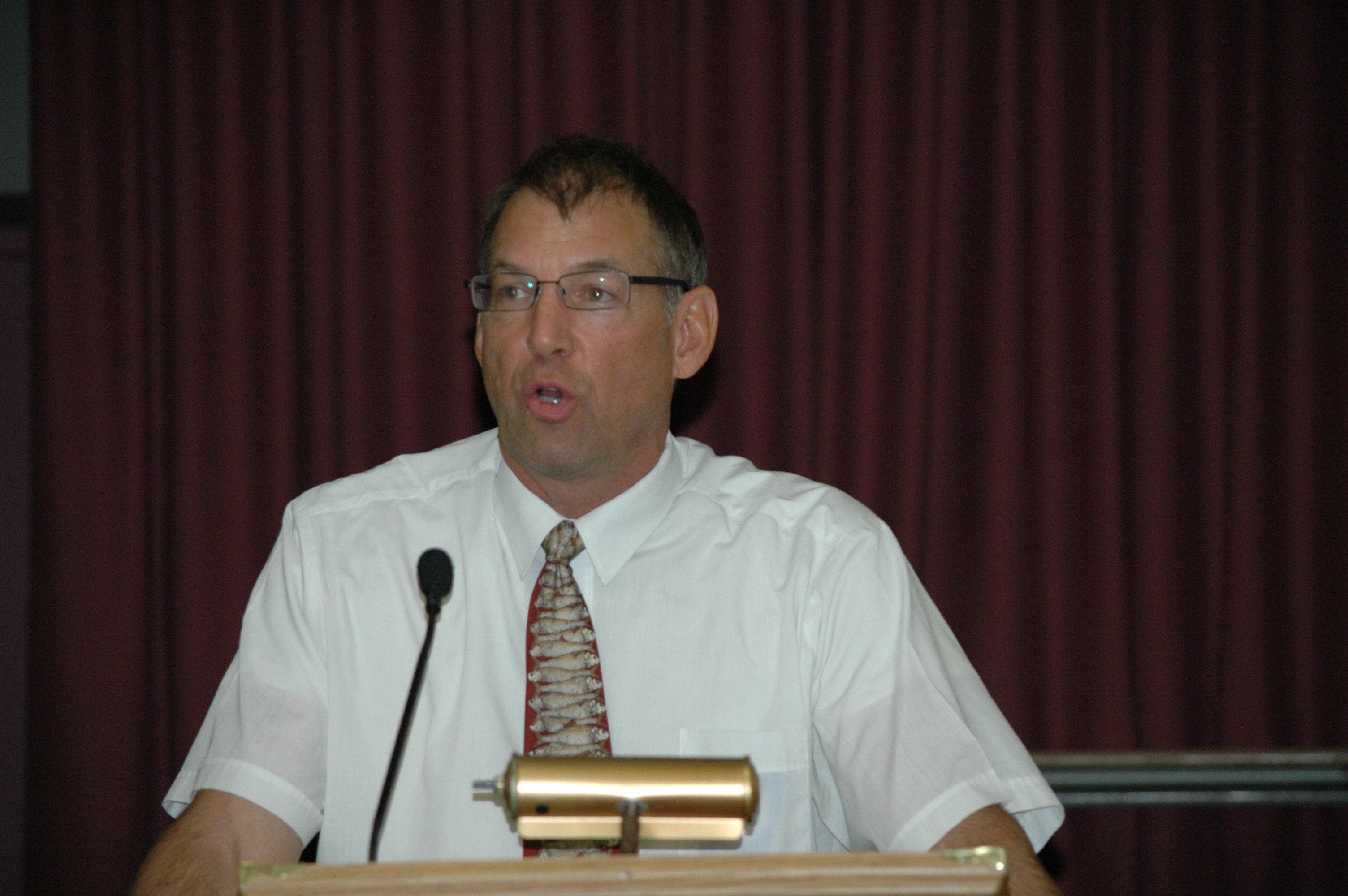
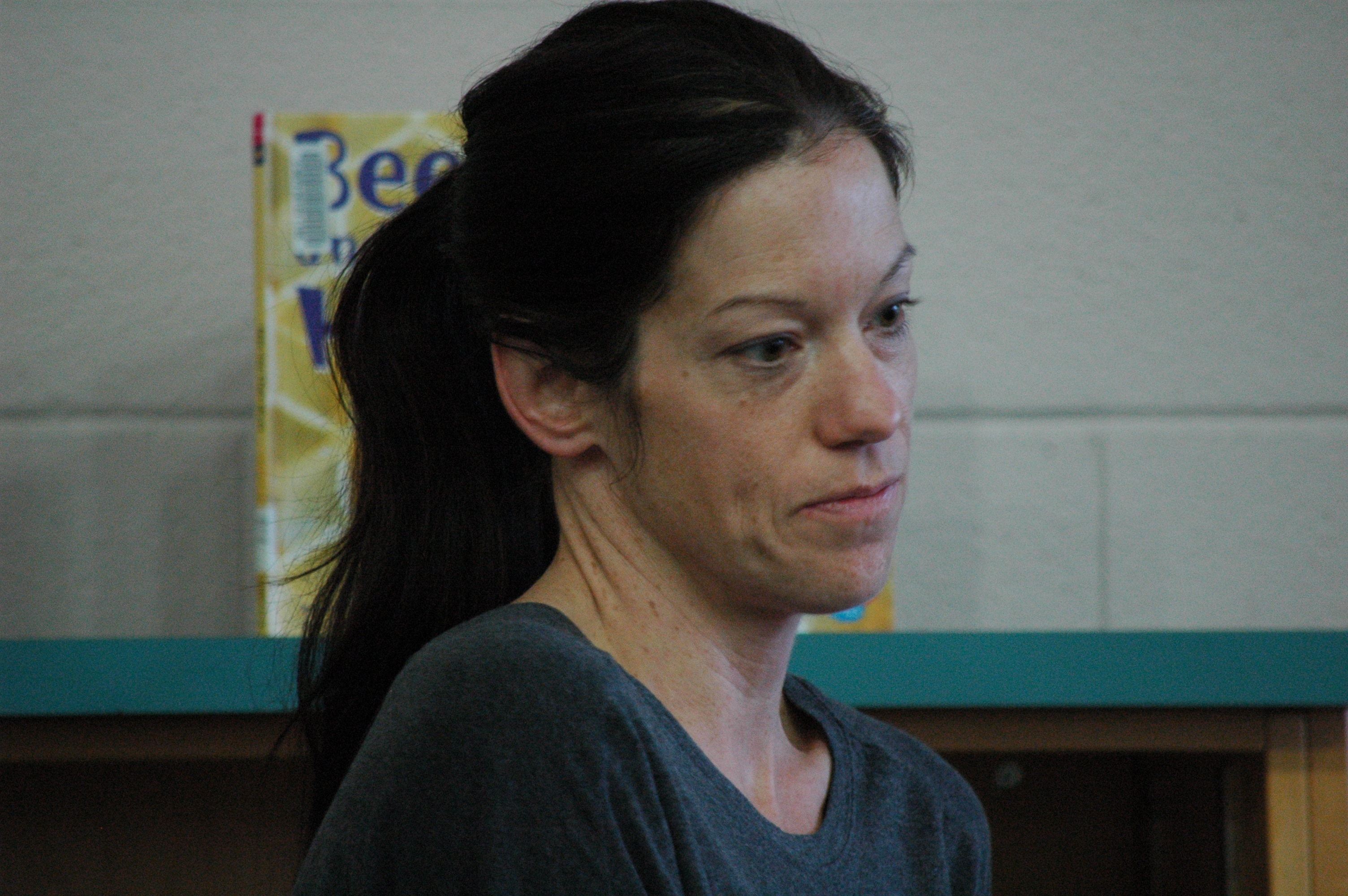
Thanks to a generous donation from the Ingersoll Community Fund, the Club organized this event as an educational and community engagement opportunity, bringing in noted pollination experts George Scott of the Niagara Beeway and Patty Moss of the Niagara Park Butterfly Conservatory to lead educational sessions for local students and town halls for the community as a whole.
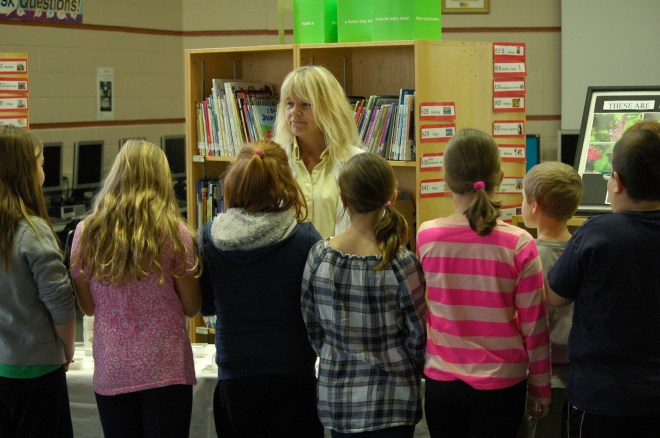
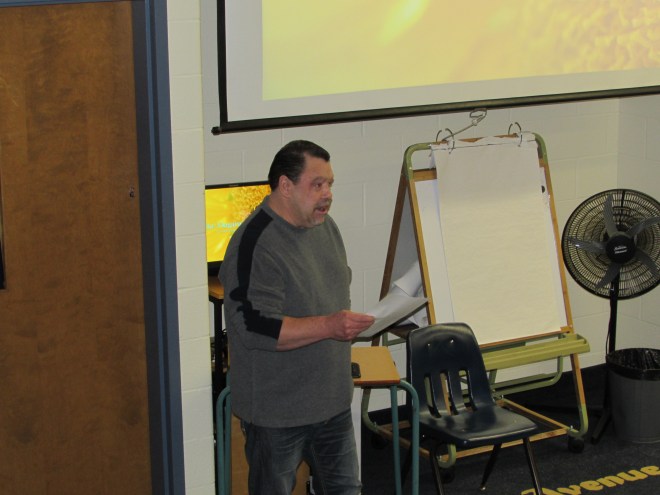
The Education Sessions, which included a PowerPoint presentation, Question & Answer period and gave students hands-on experience in creating wildflower seed balls and planting pollination gardens, took place at:
- Laurie Hawkins Public School in Ingersoll and Glendale High School in Tillsonburg on November 25
- Algonquin Public School, Springbank Public School and College Avenue Secondary School in Woodstock on November 26
- Roch Carrier French Immersion Public School in Woodstock on November 27
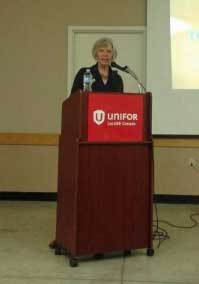
The Town Halls, which included a multi-media presentation and Question & Answer period, took place at:
- the Woodstock Unifor Hall on November 25 (7 pm)
- the Ingersoll Unifor Hall on November 26 (7 pm)
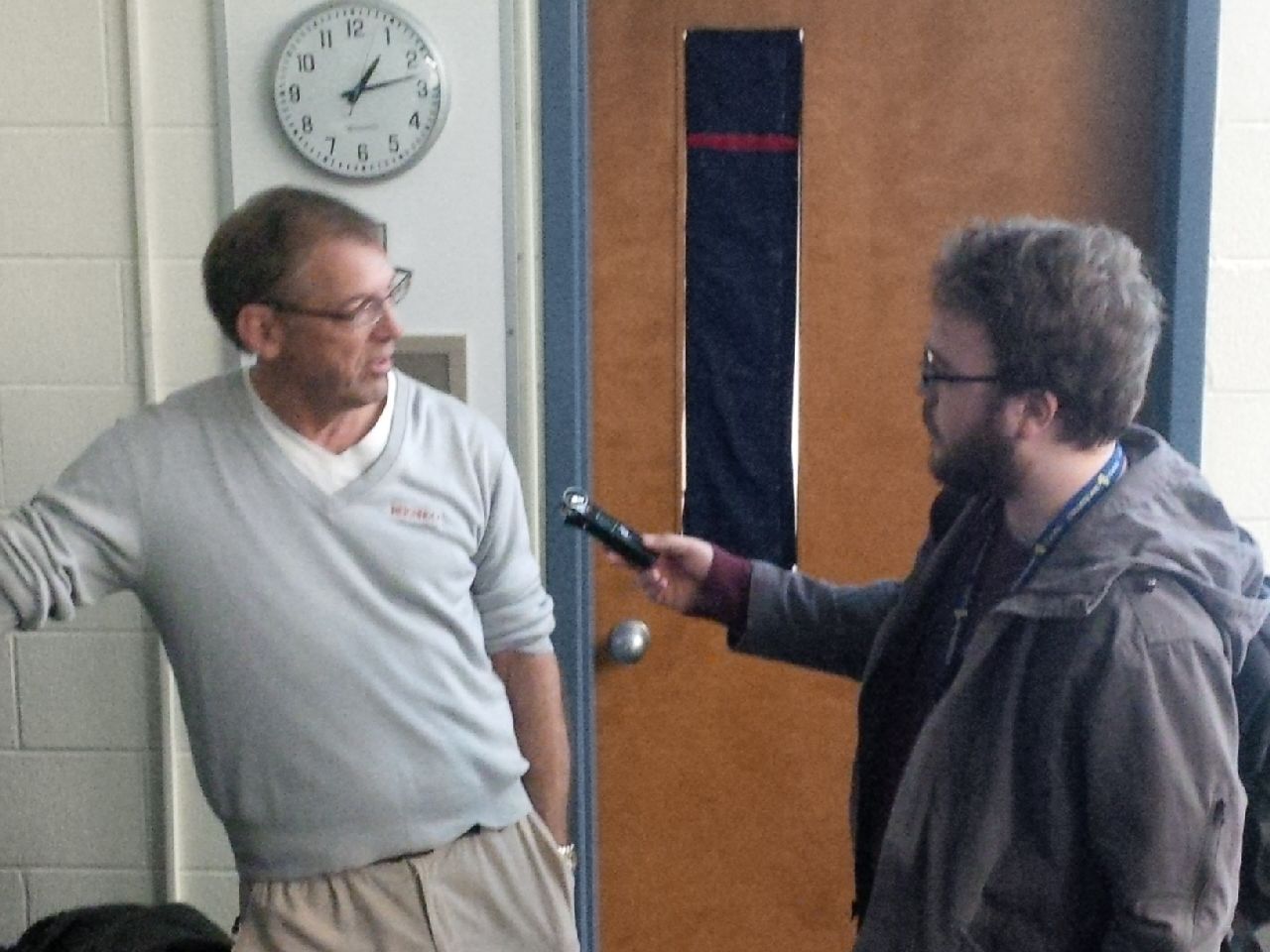
We would like to thank members of the local media for their coverage of the events, including:
The Woodstock Sentinel-Review: http://www.woodstocksentinelreview.com/2014/11/26/researcher-explains-dangers-of-neonicotinoids-to-bees
Heart FM: http://www.1047.ca/news/local-news/pollination-awareness-week/












 Ingersoll District Nature Club