Help Nature Canada Share Their Strategic Plan

From Nature Canada:

Throughout Nature Canada’s 85 years of connecting people to nature and advocating for wildlife and habitat protection, our greatest strength has always been the people, organizations and communities that power this movement—you.

As we develop our next strategic plan, we want to ensure your experiences, insights, and stories are reflected in Nature Canada’s vision for the future.

This short, anonymous survey (8–12 minutes) is your opportunity to help shape how we move forward together.
Take the survey here.

Thanks York Region For Caring For Nature

From the York Region (The Regional Municipality of York):

Intermittent overnight closures begin on Monday, March 24, 2025 on Stouffville Road, between Bayview Avenue and Leslie Street, in the City of Richmond Hill to ensure safe crossing of the endangered Jefferson Salamanders.

Closures will only occur when it rains as the salamanders only make the passage during rain events.

Learn more by visiting https://www.york.ca/newsroom/news/endangered-species-jefferson-salamander-return-summer-breeding-grounds

7 Simple Actions To Help Birds

From Cornell Lab of Ornithology:

With millions of birdwatchers across North America., think of the impact we could have by taking simple everyday steps to Bring Birds Back. Here’s a list of Seven Simple Actions that will make a difference to the birds around you—pick one or more! #StateOfTheBirds#BringBirdsBack

  • Make windows safer
  • Keep cats indoors
  • Grow native plants
  • Reduce plastics
  • Avoid pesticides
  • Buy bird-friendly
  • Support conservation work

Together we can reverse bird declines and create a healthier environment for all. Tell us how you plan to help.

Learn More About The Invasive Species Center

In 2024, the Invasive Species Action Fund (ISAF) supported 97 projects, empowering community groups, Indigenous organizations, and municipalities to take action against critical invasive species, including invasive plants, aquatic invasive species, and forest pests.

By working together, we achieve greater results more efficiently. These are some examples of ISAF recipient successes that are driving long-term, positive change for our landscapes!

Learn more about ISAF.

Trip to Springwater Conservation Area – March 15, 2025

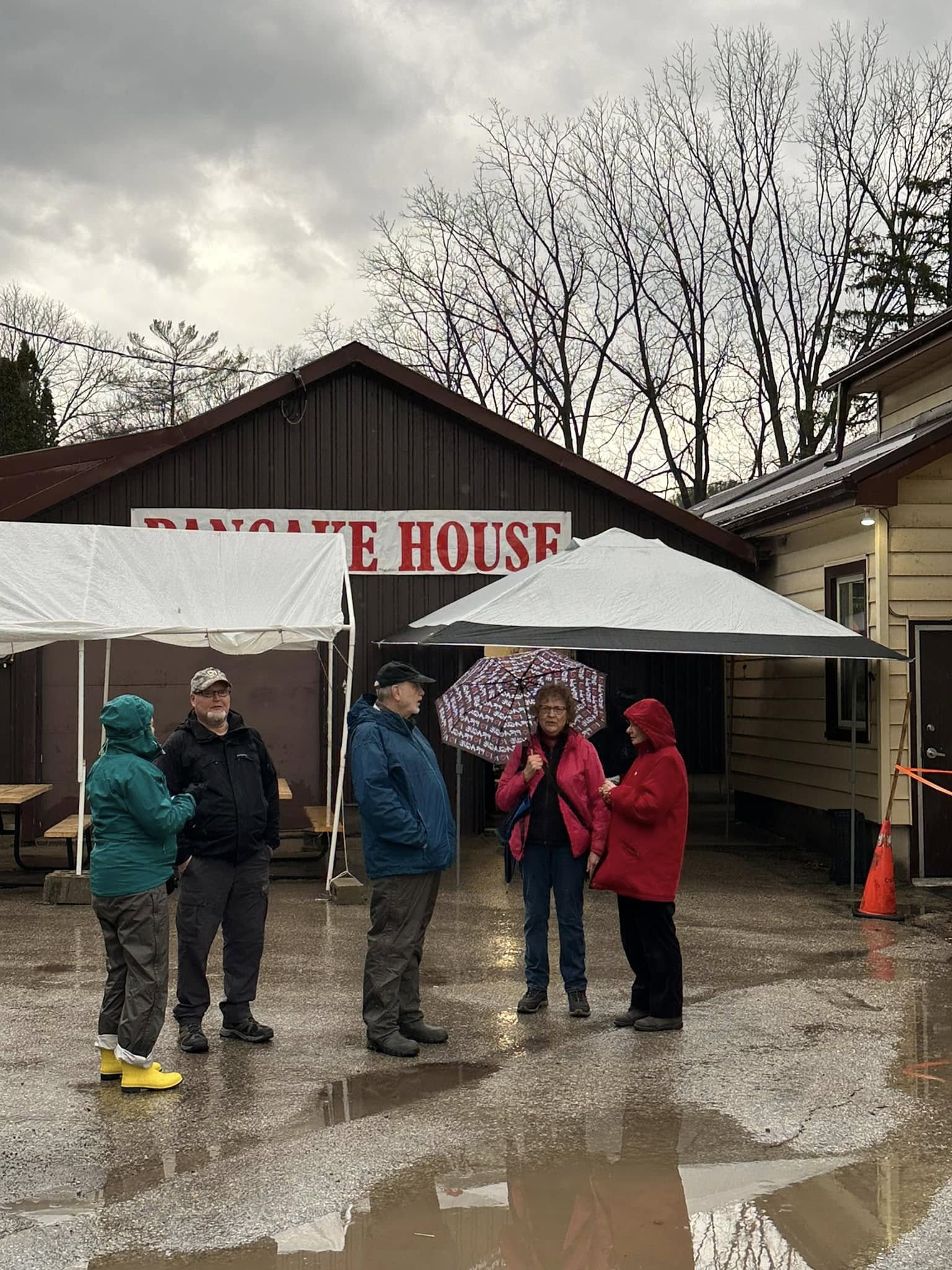
Spring’s a comin’! Ingersoll District Nature Club members enjoyed pancakes and maple syrup and a walk through Springwater Conservation Area. Spotted a pileated woodpecker, a bald eagle, red bellied woodpeckers mating and a pair of hooded mergansers. Then off to Aylmer Wildlife Management for migrating tundra swans and Canada geese. Started the morning in the rain and ended in sunshine… great outing!

Phragmites Facts

From the Ontario Invasive Plant Council:

Do you how to tell Invasive Phragmites from Native Phragmites?

Invasive Phragmites

🌾High density stands, near monoculture stands of living and dead stems (up to 200 per m2).

🌾Generally, dull tan or beige stems with a rough texture. Grows up to 5m or more

🌾Leaves are typically blue-green

🌾Large, dense seed heads

Native Phragmites

🌾Low density stands, with fewer dead stems and oftenmixed with other vegetation.

🌾Stems are generally shorter and thinner, shiny with a reddish-brown colour in the lower internodes and a smooth texture

🌾Leaves are typically yellow-green

🌾Small, sparse seed heads