Saving Monarchs has come up with a great way to beautify your yard and protect nature…all at the same time: create a rain garden. Check out their video to learn more.
Hike For Hunger And Health At The Lawson Nature Reserve
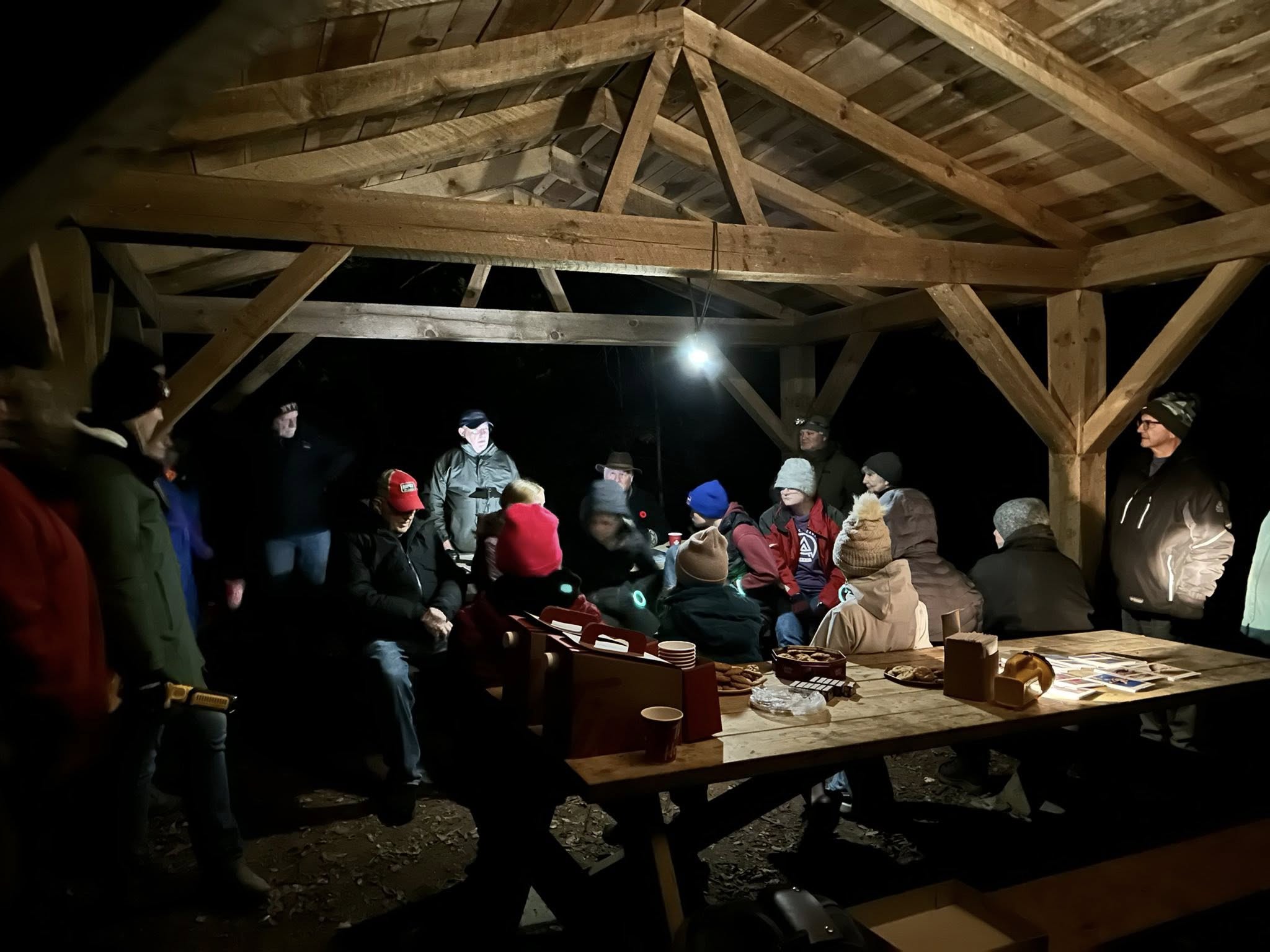
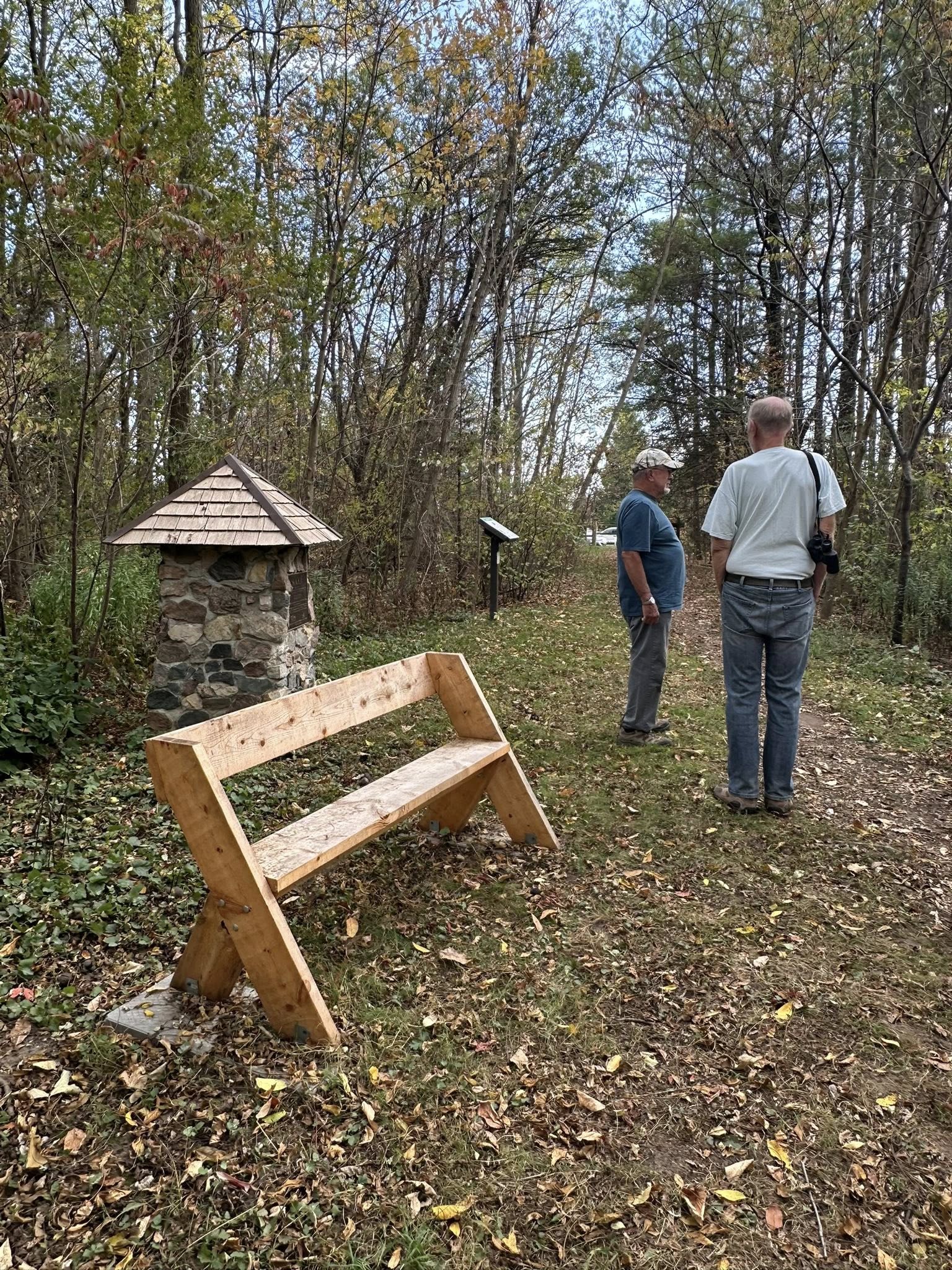
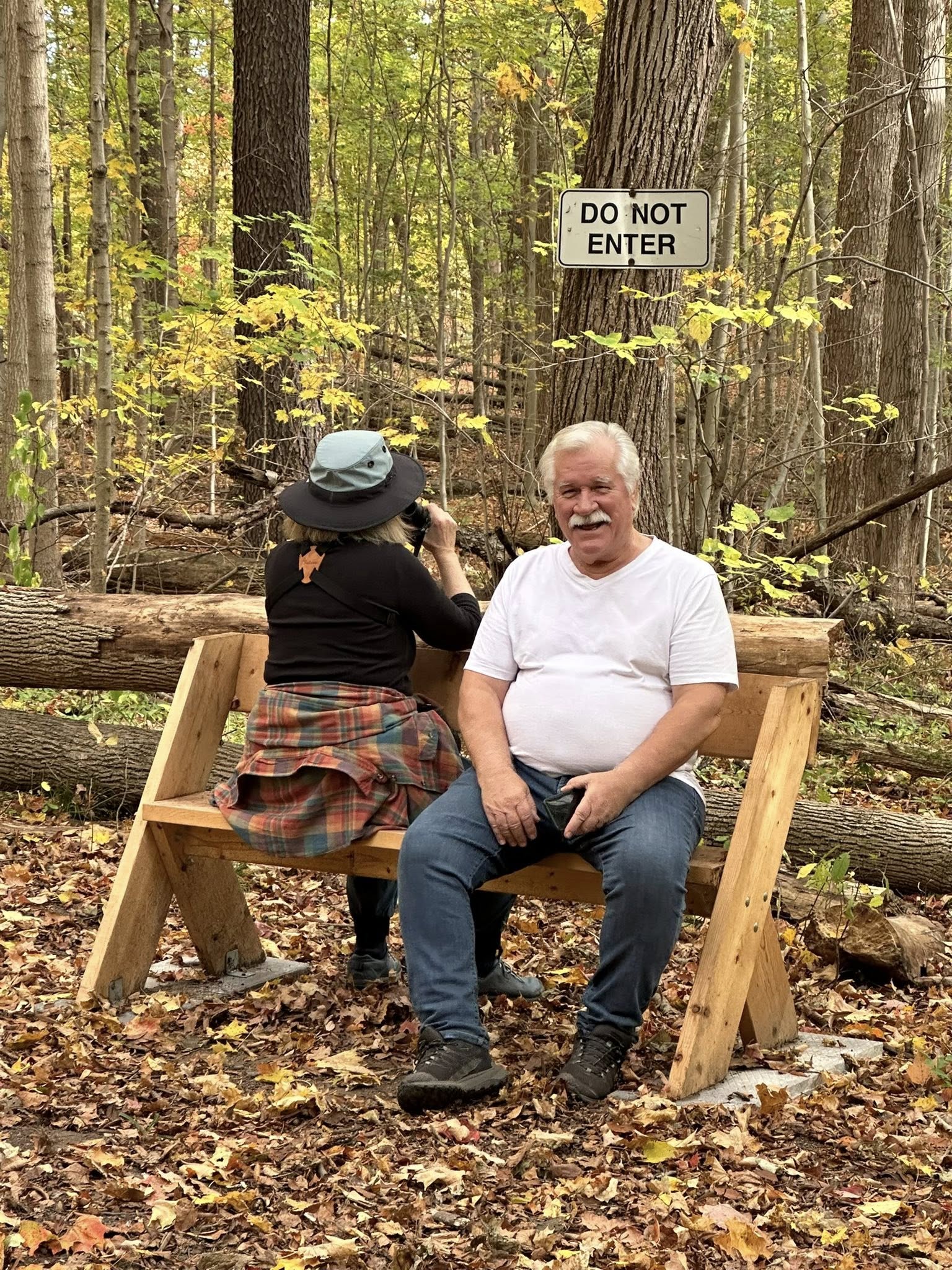
October 18, 2025, was a beautiful day for a walk at the Lawson Nature Reserve supporting SouthWest Oxford’s Hike for Hunger and Health. Food and funds were gathered and camaraderie was enjoyed by all. The Ingersoll District Nature Club members then met for our annual general meeting. Thanks to all who attended!


Exciting News About The Mexican Monarch Butterfly Population
From Culture Collective:
According to the latest 2025 monitoring report from Michoacán, Mexico, Monarch Butterflies populations have doubled!
The Monarch butterfly is making an incredible comeback in Michoacán, Mexico. This symbolic resurgence reminds us of nature’s ability to heal and flourish when given the right conditions. Let’s continue to support efforts that preserve such beautiful creatures.
Planting Native Plants
From Ontario Nature:
Noticing trees changing colour and dropping their leaves earlier than usual?
Ontario Nature Reserves Manager Marcus Maddalena explains how this year’s drought, intensified by climate change, is impacting our trees and how planting native, drought-tolerant species can make a real difference.
Find a list of popular native plants in Ontario here.
A Message From The Fatal Light Awareness Program Canada
This is such an important message from the Fatal Light Awareness Program Canada…birds migrate at night. Turn your lights off.
The weather in southern Ontario the last few days has been slowing down migration significantly, and we have been seeing fewer birds than normal during this years #GlobalBirdRescue. Things seem to be picking up slightly, as today FLAP volunteers have recorded over 40 birds that have collided with windows in the Greater Toronto Area.
There were eight of them found in the downtown core. Six Black-throated Blue Warblers, an American Redstart and a Red-eyed Vireo.
We can make changes today, to save birds! Turn lights off at night, and treat your home and cottage windows to be bird safe.
Another Great Project From the Upper Thames River Conservation Authority
From the Upper Thames River Conservation Authority:
With a $20K donation from Nature London, the Upper Thames River Conservation has launched a new Turtles at Risk education program and expanded prairie habitat in Kilally Meadows.
Canada’s Anti-Bird Buildings Use Wind-Activated Holographic Feathers To Deter Glass Collisions
From Fact 27:
In Canada, architects have taken a creative step to protect birds from deadly glass collisions — by designing anti-bird buildings that feature wind-activated holographic feathers. These shimmering patterns flutter and shift with the breeze, creating a dynamic visual barrier that warns birds away from transparent surfaces.
Birds often can’t distinguish clear glass from open air, especially when windows reflect trees or sky. This leads to thousands of fatal crashes each year, particularly during migration seasons. Traditional decals or window films offer some help, but Canada’s holographic feather technology brings a **more natural and responsive solution**.
Mounted on the outside of glass façades, the holographic feathers are lightweight and iridescent, mimicking how real feathers catch the light in flight. As the wind moves them, the motion and flashes of color signal danger to approaching birds. Because they are not static patterns but kinetic deterrents, they remain effective even in changing light conditions.
These features not only save wildlife but add artistic flair to urban architecture. Offices, campuses, and public buildings now adopt this bird-friendly design, showing how biomimicry and aesthetics can come together to solve real-world problems.
Canada’s initiative blends conservation with creativity, helping cities become safer for birds while keeping buildings beautiful and innovative. It’s a fluttering reminder that nature and design can fly side by side.
How You Can Protect Local Turtles
From the Upper Thames River Conservation Authority:
Ever wonder how you can help protect local turtles, or wish you had a resource to share with your friends?
We just launched a Protecting Turtles in the Upper Thames River Watershed pamphlet which explains the main threats to turtle populations, the species found in our watershed, and what you can do (or not do) to help. The best part? It’s free to download and print at home! ![]()
Get the PDF at https://thamesriver.on.ca/…/UTRCA-Turtles-At-Risk…
Thank you to Nature London for helping to bring this education tool to life.
Resighting News
From Long Point Bird Observatory:
We have some very exciting resighting information from the Piping Plovers observed at the Tip this spring thanks to @ontarioplovers and @birds.canada
1. Male seen on April 20th hatched in 2021 at Sleeping Bear Dunes, Michigan and has bred at Wilderness State Park, Michigan every year since.
2. Female seen on May 2nd hatched in 2024 at Pointe Aux Chenes, Mohican and nesting at Presqu’isle Provincial Park, Ontario this year.
3. Female seen on May 25th hatched in captivity when the egg was saved from sleeping Bear Dunes, Michigan following a nest wash out! Released at Point Aux Chenes, Michigan. No known nest this year.
How exciting is that! If you spot a Piping Plover with colour bands please report to @ontarioplovers help us learn more about them and protect them.
Switching to Red Porch Lights Protects Nocturnal Wildlife
From I Love Gardening:
Making small adjustments, like switching to a red porch light, can have a big impact on protecting nocturnal wildlife. Red lights are less attractive to insects, thus supporting bat populations by allowing them to hunt naturally, benefiting the whole ecosystem