Southern Ontario’s “Grow Me Instead” has updated their information sheets. Check it out to avoid invasive species.
Trip to Springwater Conservation Area – March 15, 2025
Spring’s a comin’! Ingersoll District Nature Club members enjoyed pancakes and maple syrup and a walk through Springwater Conservation Area. Spotted a pileated woodpecker, a bald eagle, red bellied woodpeckers mating and a pair of hooded mergansers. Then off to Aylmer Wildlife Management for migrating tundra swans and Canada geese. Started the morning in the rain and ended in sunshine… great outing!


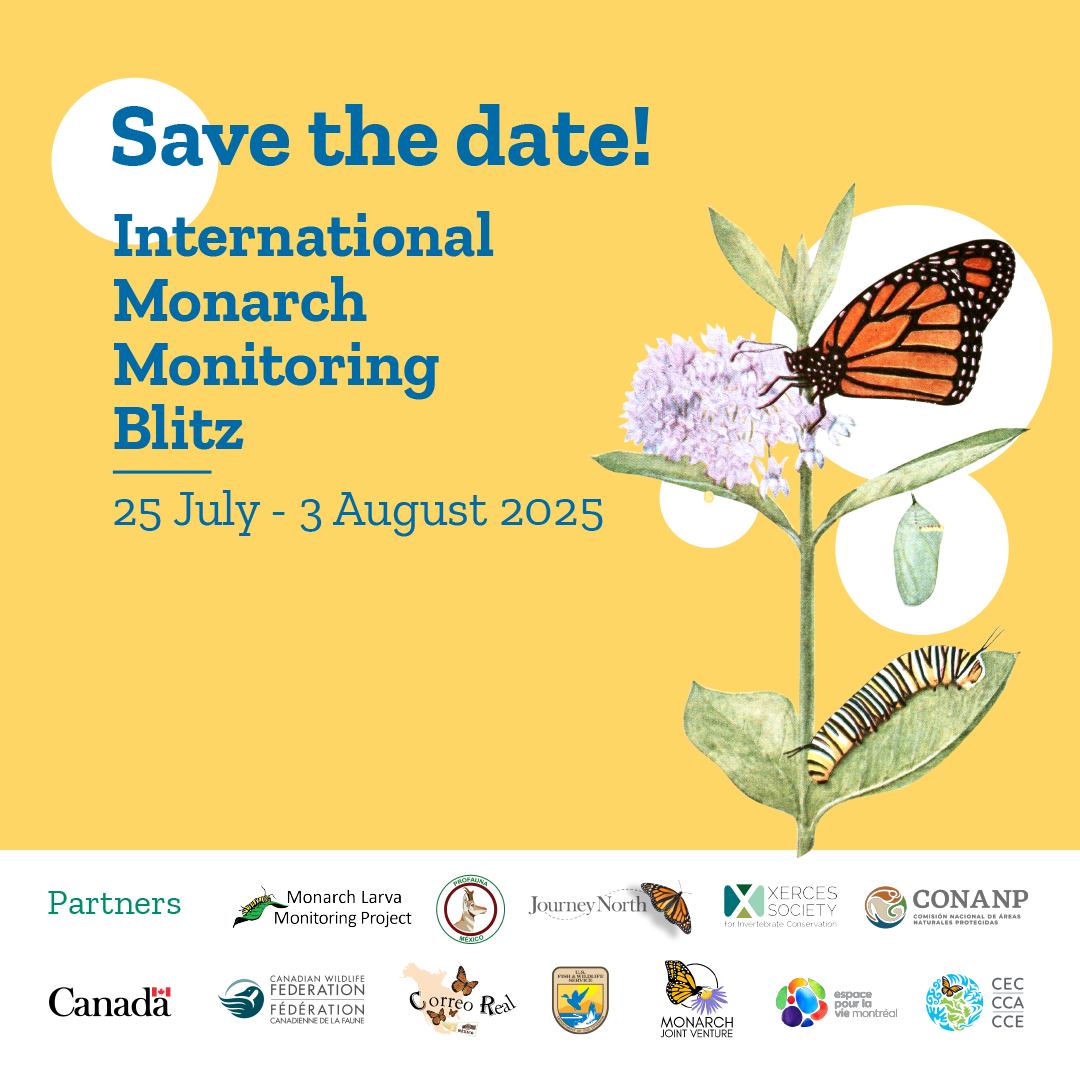
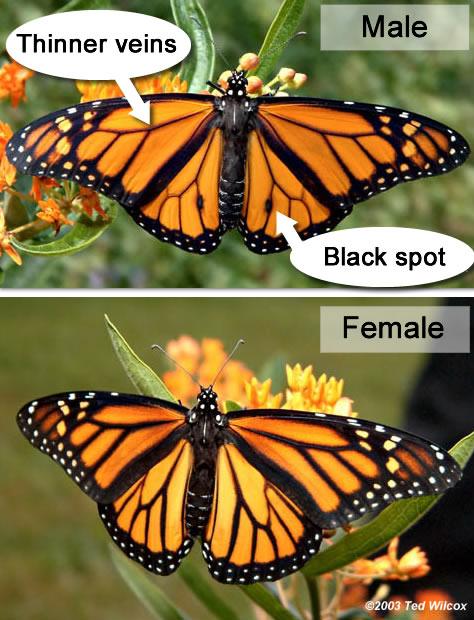
Monarchs on the Move
If you want to watch the monarchs’ “Journey North,” this is where people report first sightings.
Ontario Nature Conservation Awards
Do you know a conservation champion in your community? Nominate them for Ontario Nature‘s Conservation Awards! Learn more.
Phragmites Facts
From the Ontario Invasive Plant Council:
Do you how to tell Invasive Phragmites from Native Phragmites?
Invasive Phragmites
High density stands, near monoculture stands of living and dead stems (up to 200 per m2).
Generally, dull tan or beige stems with a rough texture. Grows up to 5m or more
Leaves are typically blue-green
Large, dense seed heads
Native Phragmites
Low density stands, with fewer dead stems and oftenmixed with other vegetation.
Stems are generally shorter and thinner, shiny with a reddish-brown colour in the lower internodes and a smooth texture
Leaves are typically yellow-green
Small, sparse seed heads
Cold Weather In The Tree’s Life Cycle
From ReForest London:
Did you know that cold temperatures are not just a challenge for trees—they’re essential for their survival and renewal?
Many temperate tree species, such as oaks, maples, and fruit-bearing trees, require a period of winter dormancy to regulate their growth cycles. This “chilling requirement” ensures that buds do not sprout prematurely during unseasonable warm spells, which could leave them vulnerable to late frosts.
During this period, trees undergo physiological changes:
Their metabolism slows, conserving energy.
Hormonal changes prepare buds for synchronized spring emergence.
Deciduous trees shed leaves to minimize water loss in freezing conditions.
Winter is nature’s way of resetting the growth cycle—ensuring that when spring arrives, trees awaken with full strength and vigor!
Young Nature Leaders Grant
The Young Nature Leaders Grant was established in 2017. Each successful applicant receives $1000 to develop and implement a project centered around promoting sustainability in Canada. To date, 42 young people have been awarded the Grant, each carrying out important and impactful projects.
Applications are now open: https://naturecanada.ca/young-leader-grant/
The Annual Great Backyard Bird Count
Each February, for four days, the world comes together for the love of birds. Over these four days we invite people to spend time in their favorite places watching and counting as many birds as they can find and reporting them. The Annual Great Backyard Bird Count takes place February 14-17, 2025. Learn more at https://www.birdcount.org/
Ontario Birding Quiz
Think you know birds? This quiz from Ontario Nature will put that knowledge to the test.
Submit Your Nominations For The Ontario Nature Conservation Awards
From Ontario Nature:
Do you know a conservation champion in your community? Show your appreciation for their efforts by nominating them for an Ontario Nature Conservation Award. Nominations for the 2025 Conservation Awards will be accepted until March 24. For more information, visit the Ontario Nature website.