From Ontario Parks:
They can’t go south; they’re stuck in one place. They can’t find a cozy den and hibernate. They just have to stand there, out in the weather and take it, no matter how cold, snowy, or windy.
From Ontario Parks:
They can’t go south; they’re stuck in one place. They can’t find a cozy den and hibernate. They just have to stand there, out in the weather and take it, no matter how cold, snowy, or windy.
From Ontario Nature:
As reptiles and amphibians make their way back to hibernation spots, you’re bound to spot them crossing roads. Please stay vigilant and look out for wildlife crossing signs while you’re driving.
If you enjoy birdwatching, the Ingersoll Public Library has a program for you. Check out the Exploring the Birds of Ontario presentation by David T. Chapman on November 20, 2024, at 4 -5 p.m. For more information, visit https://engagedpatrons.org/EventsExtended.cfm?SiteID=2048&EventID=540477&PK=

From Ontario Nature:
This unique-looking owl can be readily recognized by its distinctive white heart-shaped face, black eyes, golden colouration and lightly speckled pale underside. It requires grassland habitats, which are being paved over by urbanization and development.
This #GivingTuesday please help us raise funds to protect endangered species: https://ow.ly/77Bq50TZPkn

From Nature Canada:
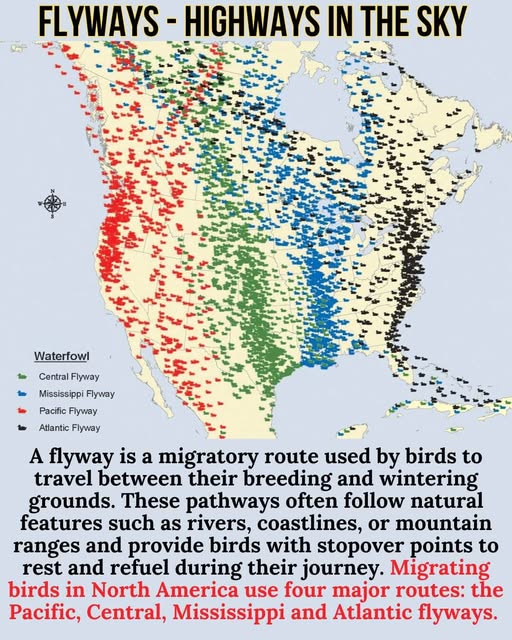
The Great Grey Owl has no regular migration, but is nomadic. Large numbers may move south or southeast in some winters in eastern Canada and extreme northeastern United States; this is apparently in response to a sudden drop in rodent populations. (source: National Audubon Society)

From Ontario Nature:
Spotted salamanders live in deciduous and mixed forests, typically within a few hundred metres of a breeding pond, and feed on insects and other invertebrates.
This species is active from late March to early November and can be found throughout southern Ontario. This little guy was found by our Conservation Science team earlier in the field season.
Read more about this species here: https://ow.ly/5pJ950S1f0x

From Nature Canada:
We’ve lost 2 out of 3 grassland birds since 1970.
The most significant finding from The State of Canada’s Birds is this 67% decline. Unfortunately the trends show no sign of improvement.
This is a crisis. We need to act together to halt and reverse this decline.
Support the protection and restoration of native grasslands.
Learn more about the decline and how you can help: StateOfCanadasBirds.org
From Environment and Natural Resources in Canada
Canada is the second largest country in the world. With a quarter of the Earth’s wetlands and boreal forests, and the longest coastline, we have got some big conservation goals! ![]()
We are committed to conserving 30% of lands and waters in Canada by 2030 – and we have already conserved an area the size of Finland!![]()
We are working with partners from coast to coast to coast to see this through, and we are making real progress for nature.
From Ontario Parks:
Research that shows even 20 minutes a day in nature can make a big difference to our health and well-being.
So, how can we prioritize spending time in nature when life gets busy?
From Cornell Lab of Ornithology:
Simple and affordable changes to your lighting can reduce bird-window collisions. More than 1 billion birds die from window collisions in North America every year. Light pollution disorients birds, drawing them into structures. You can save both birds and money through affordable solutions that minimize light at night. Read more.