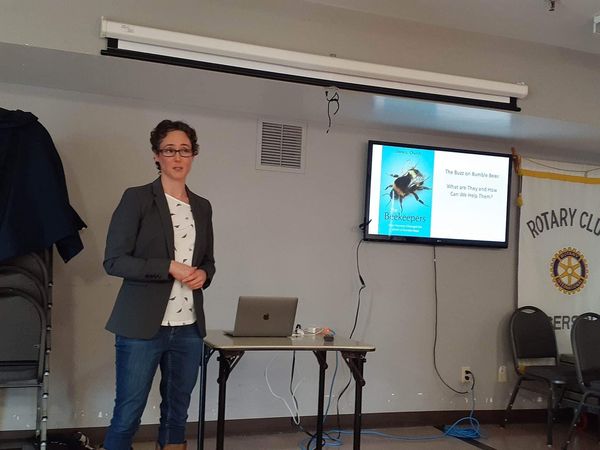
This year, the Ingersoll District Nature Club celebrates 70 years of caring for nature! On November 27, 2022, our members shared in our festive social potluck. Thank you Dana L Church for joining us, and for your your excellent presentation about Bumblebees, honey bees and all the buzz about bees! We look forward to having you back!
Ontario Must Withdraw Bill 23 And Shift To Sustainable Planning
From the Ontario Headwaters Institute (OHI):
The OHI offers our analysis of recent government action, lack of action, and aggressive rhetoric against sound planning, environmental safeguards, and democracy, per text following the signature below.
We invite you to sign the petition based on the last paragraph of the analysis, which states:
I/we support the position that the Minister of Municipal Affairs and Housing should either withdraw Bill 23 and its aligned initiatives or ensure a lengthy period of public engagement. He should also update his perspective to recognize that the economy, the environment, and democracy are inter-dependent, and stop using the former as a cudgel against the latter two.
To access the petition, please click here.
What Is NatureCOP? A Step Forward For People And The Planet
Studies are telling us over and over: biodiversity is disappearing from our planet with alarming speed and severity. What is Canada doing in the face of the staggering habitat loss and rapidly changing climate driving unprecedented mass extinctions? Hopefully, NatureCOP.
Read the full article from Eric Fleming on Nature Canada’s blog.
The Upcoming Municipal Election Matters
From Ontario Nature:

| On October 24th, Ontarians will return to the polls to vote for their municipal leaders. The mayors and councillors elected will play a vital role in ensuring a healthy, sustainable future for our communities. Please keep nature, farmland and climate change top of mind when you cast your ballot. Here’s why: 1. Municipal governments set the direction for protecting natural areas and systems in our communities. 2. Municipal leaders can prevent sprawl and preserve farmland by freezing urban boundary expansion and embracing smart growth. 3. Municipal leaders can increase housing supply and affordability by updating zoning rules to promote infill development and gentle density. 4. Municipal leaders must recognize that investing in the protection of natural areas and farmland makes economic sense. 5. Municipal governments can take action to address the climate emergency. With the right people at the helm, we can move towards sustainable communities. |

Read our latest blog to find out how you can vote for leaders who are prepared to be responsible custodians of our long-term future.
Connect To Nature
Did you know Canadians spend up to 10 hours on screens a day? Spending less time outdoors means you might be missing out on the health benefits of being in nature. Spending time in green space can improve working memory, cognitive flexibility and attentional control. Even exposure to nature sounds can be recuperative. Take advantage of being in nature today by eating lunch outside, taking a walk or simply enjoying a window view – even feeling connected to nature can improve mental health and emotional wellbeing.
How Many Nature Reserves Have You Visited?
From Ontario Nature:
Our nature reserves protect some of the province’s best remaining examples of imperiled and vulnerable habitats.
Which ones have you visited? We have 26 to choose from (including the Lawson Nature Reserve)!
Fun Dragonfly Facts
Dragonflies are among the oldest flying insects — they’ve been around for 250-300 million years — but scientists are still just learning about them.
Here are 10 cool facts about the mysterious and majestic dragonfly from Ontario Parks.
The Oxford County Trails Council’s Summer 2022 Newsletter
Some great information to read from our friends at Oxford County Trails Council. The Summer 2022 Newsletter is now online.
The NCC’s Big Backyard BioBlitz
Monarch Butterflies Added To International List Of Threatened Species – CBC
The migratory monarch butterfly fluttered a step closer to extinction on July 21, 20222, as scientists put the iconic orange-and-black insect on the international endangered list because of its fast dwindling numbers.