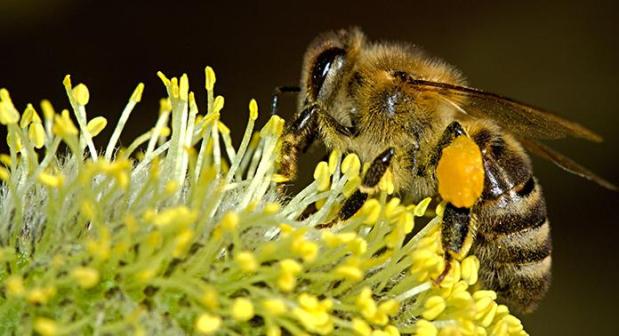
In honour of National Pollinators Week, check out this article on the exciting work being done by Lawson Health Research Institute to help improve the survival rates of honey bees exposed to pesticide. https://www.lawsonresearch.ca/news/probiotics-could-improve-survival-rates-honey-bees-exposed-pesticide
Monarch Playgrounds – Create A Butterfly Garden!
From Nature Canada. (www.naturecanada.com):
This blog was written by Nature Canada writing intern Amanda Simard.
Why it’s important
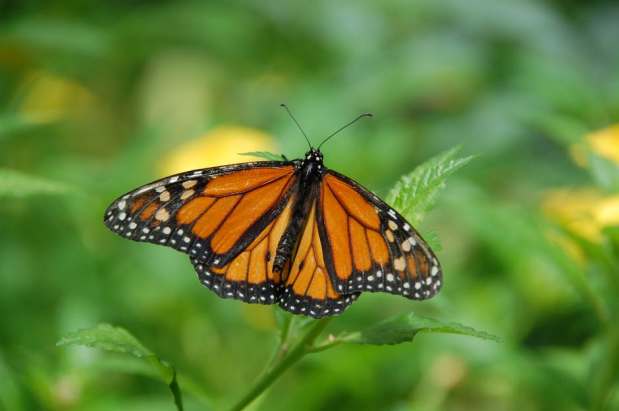
Over the last 20 years, the Monarch population has seen an 80% drop. As of the 2016 assessment by the Committee on the Status Endangered Wildlife in Canada (COSEWIC), the Monarch Butterfly is designated “threatened,” and its status under the Species at Risk Act (SARA) is “Special Concern.” While severe storms are a factor in this decline, one of the main problems is the near eradication of milkweed due to overuse of pesticides.
Milkweed is crucial to this butterfly—they depend on it during their egg and larval stages for food and protection. The decline of milkweed wreaks havoc on Monarch reproduction, but there is something you can do! Grow your own Monarch-friendly garden and give a home to this majestic butterfly.
How to create a Monarch-friendly garden
Plant milkweed
Milkweed comes in many varieties that are indigenous to Canada. Opt for local plants when you can, they are already adapted to the climate and won’t require watering or fertilizer.
Local milkweed varieties include:
- Common milkweed (Asclepias syriaca) | blooms June to early August
- Swamp milkweed (Asclepias incarnata) | blooms June to September
- Butterfly milkweed (Asclepias tuberosa) | blooms June to September
- Poke milkweed (Asclepias exaltata) | blooms June to early August
Plant nectar flowers
Adult Monarchs require nectar as a food source.
Local varieties of wildflowers are an excellent pick, and make sure to include colour! Butterflies generally like yellow, pink and orange flowers.
Some of the wildflowers Monarchs prefer include:
- Canada goldenrod (Solidago canadensis) | blooms May to September
- New England aster (Aster novae-angliae) | blooms August to October
- Wild bergamot (Monarda fistulosa) | blooms July to August
- Black-eyed Susan (Rudbeckia hirta) | blooms June to September
- Common Yarrow (Achillea millefolium) | blooms June to August
- Boneset (Eupatorium perfoliatum) | blooms July to September
A place for rest and water
Try to include flat stones where butterflies can perch, spread their wings and bask in the sun. Additionally, damp spots or puddles in the soil allow butterflies to drink and replenish the minerals they need.
For more information about Monarchs and the plants to use in your garden, consult “The Monarch Guide”—our pamphlet with all the information you need.
Read the entire blog posting at http://naturecanada.ca/news/blog/monarch-playgrounds-create-a-butterfly-garden/
Making A Big Difference For Tiny Creatures
As you know, monarch butterflies are in serious trouble. You can do your part by calling on the federal government to take immediate action to protect them.
Sending an email may seem small, but you’ll combine your voice with tens of thousands of others, to push our elected officials to act.
There’s more you can do to help monarchs! Check out the Monarch Manifesto:
http://action2.davidsuzuki.org/monarchmanifesto
And be sure to check out the new Butterflyway Project. Volunteer Butterflyway Rangers are bringing nature home to neighbourhoods in five cities across the country! Stay tuned for more butterfly-friendly fun at http://butterflyway.davidsuzuki.org/.
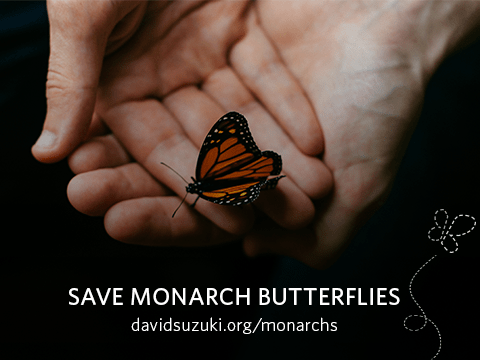
The David Suzuki Foundation Wants Us To “Save Monarch Butterflies Before It’s Too Late”
In the past 20 years, more than 90 per cent of the monarch butterflies that migrate from Mexico to Canada have disappeared. After a couple of years of modest improvement, the monarch population dropped by more than 25 per cent last year.
Read more about this very important subject and find out what you can do to help the David Suzuki Foundation at http://action2.davidsuzuki.org/monarchs
Monarch Watch Announces New Citizen Science Project
Monarch Watch is seeking the immediate assistance of hundreds of monarch enthusiasts (citizen scientists) in collecting observations of monarchs in their area during the spring and fall. This project is an attempt to assemble quantitative data on monarch numbers at critical times during the breeding season. The data from these observations will be used to assess their value in predicting trends in the population.
Visit the Monarch Watch website to learn more.
Reminder: Our 4th Annual Photo Contest “Back Roads Oxford” Is Underway!

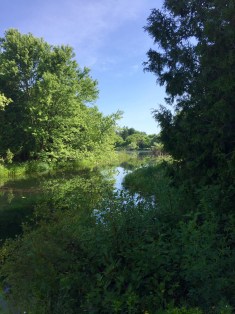
In celebration of our beautiful county and Canada 150 we invite all photographers to send their best pics of back road nature scenery in Oxford County. Deadline is October 31st, 2017.
Submit your photos of Nature taken in Oxford County: Landscapes, Wildlife, Wildflowers, Insects, Close-ups of Nature.
Please send photos to: ingersolldistrictnatureclub@gmail.com in pdf format.
If you have questions, contact us by email or contact Rob at 519-608-3032.
.
Mark Your Calendars: Earth Hour is Two Weeks Away
This year’s Earth Hour takes place on Saturday, March 25 at 8:30 pm. For more information about how you can take part, visit https://www.earthhour.org/
Visit Earth Hour 2017’s Facebook page at https://www.facebook.com/events/245738609170454/
No matter where you are in the World, there are Earth Hour events taking place near you, visit http://www.earthhour.org/map to find a local event.
The David Suzuki Foundation Says “Canada Must Ban Neonics”

From the David Suzuki Foundation website:
“We’re starting to turn a corner away from the indiscriminate use of these harmful chemicals. But we need to pick up the pace.
Health Canada has proposed to phase out the commonly used neonic pesticide imidacloprid within three to five years and has launched special reviews of other neonics registered for use in Canada.”
Read more at: http://action2.davidsuzuki.org/neonics
Celebrating 65 Years In 2017
Ingersoll District Nature Club celebrates 65 years of nature conservation and advocacy with three major community events
Ingersoll – January 3, 2017 – The Ingersoll District Nature Club (IDNC) is proud to announce its 65th anniversary in 2017! This anniversary year also coincides with Canada 150, and in celebration, club members will be promoting nature throughout 2017 with free events, including:
- 4th Annual Photo Contest – “Back Roads Oxford”
In celebration of our beautiful county, our anniversary and Canada 150, IDNC invites all photographers to send their best photos of Oxford County back roads scenery. With an extended deadline of October 13th, 2017 (at 5:00 p.m.) we hope nature buffs and photographers alike will capture some stunning shots across the seasons. Prizes will be awarded. Full details may be found on our website.
Fighting The Trashing Of The Thames

Over the past four years, residents of Oxford County have directed over 77,000 letters to Queen’s Park as part of a campaign to stop a mega-dump from coming to our region. The proposed landfill would receive 850,000 metric tonnes of garbage annually from across Ontario for a 20-year period, potentially contaminating groundwater and endangering vulnerable species.
Download and read a special insert from the January 2017 issue of the Oxford People Against the Landfill’s newsletter.