Laws About Specially Protected Invertebrate

From The Mill Pond, Dorchester, Ontario:

Did you know?

In Ontario, it is illegal to capture monarch butterflies or their caterpillars without a permit from the Ministry of Natural Resources and Forestry (MNRF), according to Ontario Nature. While the Ministry has issued permits for activities like monarch tagging and rearing, they are typically not issued to individuals. Organizations may have blanket permits that allow for activities like rearing monarchs, but individual permits are often difficult to obtain.

You can help without capturing:

Planting native milkweed and wildflowers, and participating in citizen science projects like “Butterflies in My Backyard” can help the Monarch population says Ontario Nature.

The Act defines “specially protected invertebrate” to include the following 14 species, all of which are butterflies:

* Black Swallowtail (P. polyxenes)

* Bog Elfin (C. lanoraieensis)

* Canadian Tiger Swallowtail (P. canadensis)

* Eastern Giant Swallowtail (P. cresphontes)

* Eastern Tiger Swallowtail (P. glaucus)

* Frosted Elfin (C. irus)

* Karner Blue (L. melissa samuelis)

* Monarch (D. plexippus)

* Mottled Duskywing (E. martialis)

* Old World Swallowtail (P. machaon)

* Pipevine Swallowtail (P. philenor)

* Spicebush Swallowtail (P. troilus)

* West Virginia White (P. virginiensis)

* Zebra Swallowtail (E. marcellus

International Monarch Monitoring Blitz – July 25 To August 3, 2025

From Journey North:

The summer months are here, and that means the return of the International Monarch Monitoring Blitz!

Now in its ninth year, the Blitz will take place from July 25 to August 3. This event invites individuals and organizations across Canada, Mexico, and the United States to participate in a trinational effort to collect data on monarch butterflies and milkweed plants.

Organized by ten partner organizations across North America, the Blitz encourages everyone to contribute to monarch butterfly conservation, and all you have to do is submit your sightings of monarchs and milkweed to Journey North (or a partner organization) during these 10 days!

Data collected during the Blitz will be published in the Trinational Monarch Knowledge Network, a repository of information available for anyone to consult and download. This snapshot of monarch and milkweed distribution helps scientists better understand how to protect and conserve one of North America’s most iconic species.

Celebrate Canadian Environment Week

Celebrate Canadian Environment Week – a week designated to celebrate environmental accomplishments for nature protection.

From Thames Talbot Land Trust

Biodiversity – the variety of wildlife – is an indicator of health for natural landscapes. Canada’s strategy to halt and reverse biodiversity loss by 2030 largely revolves around environmental protection, conservation, and restoration because in order to increase biodiversity, we need to protect and conserve habitat for wildlife.

Nature reserves provide homes to many species that play important roles in indicating habitat health. For example, the Scarlet Tanager, a bird found in large and old mixed forests in eastern North America, is very sensitive to changes in their environment, especially habitat fragmentation. When their habitats are fragmented or reduced in size, It’s harder for them to find suitable sites for nesting, sheltering, and feeding due to competition with other species. In addition, migration becomes more challenging as there are less safe spaces to rest and eat in-between flights. Many other species are affected by habitat loss, which makes it important for us to find ways to keep habitats intact and connected.

With over 2,300 acres of protected land, TTLT is committed to protecting nature in our local communities to support our native wildlife. This wouldn’t be possible without the support of all the folks who contribute to our mission. Together, we are building a greener future for all.

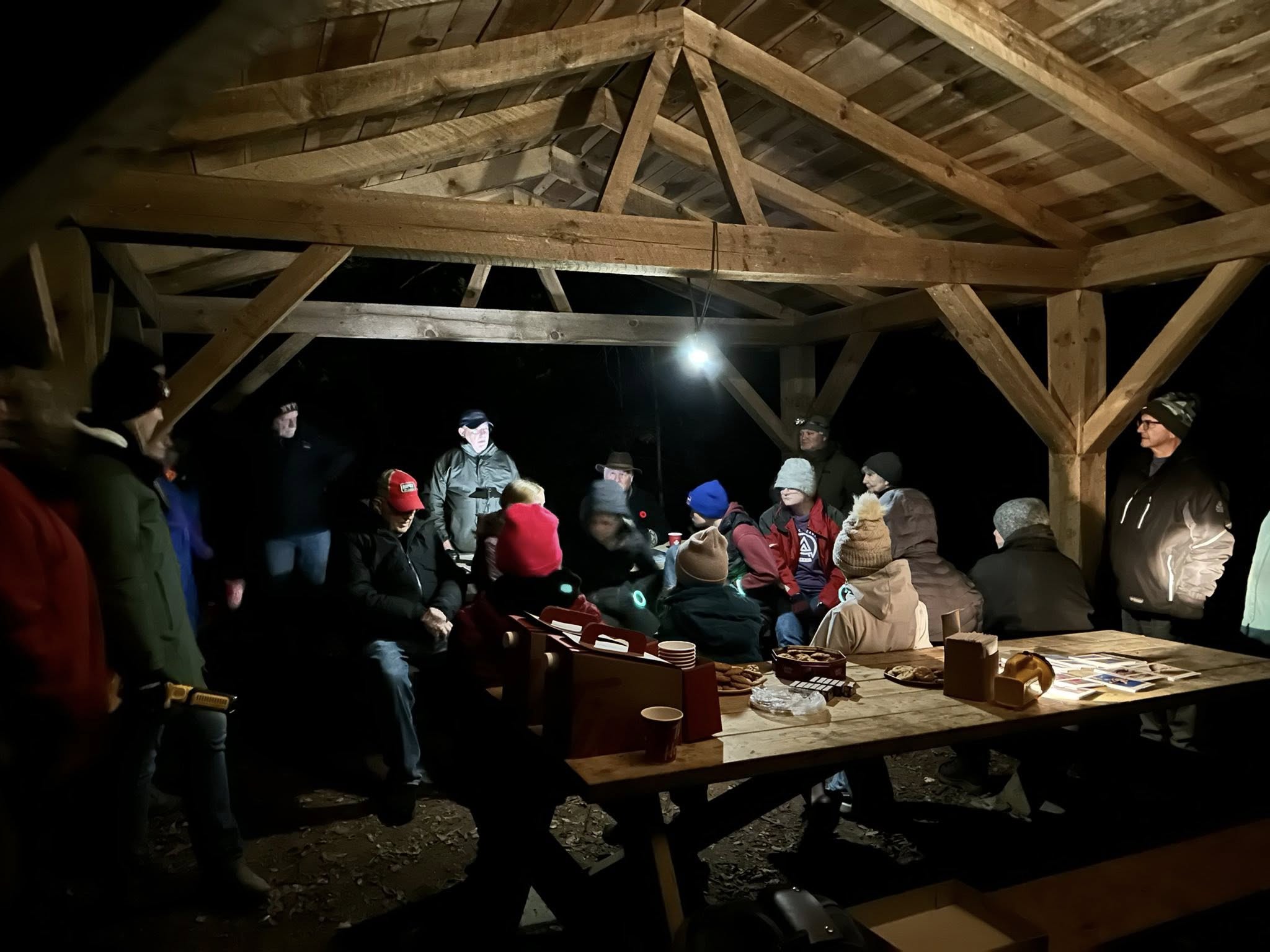
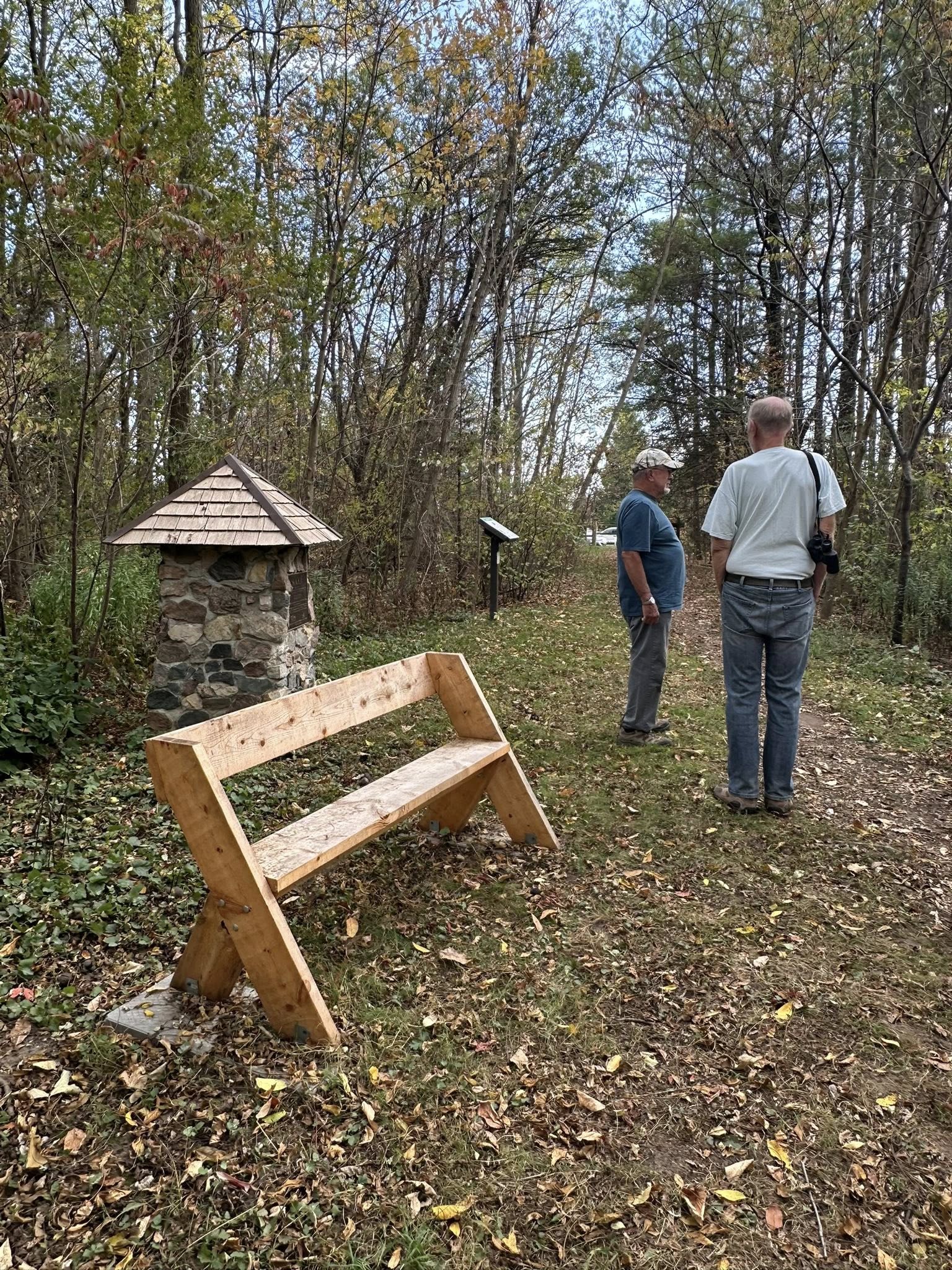
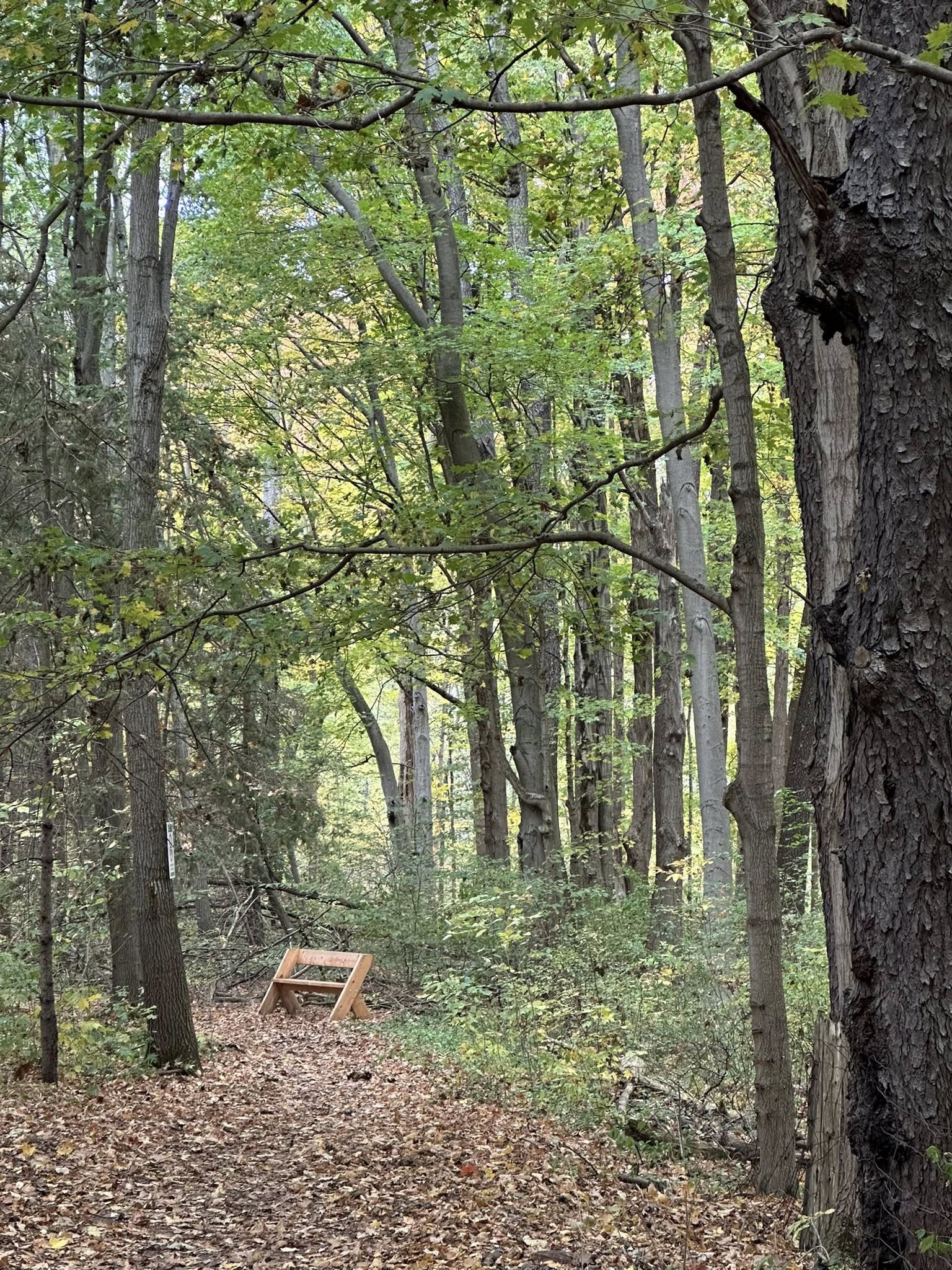
📸 Photo by P. Allen Woodliffe (Slide 1), Brenda Gallagher (Slide 2, Left & Right)

Express Your Concerns About Bill 5

From Ontario Nature:

Conservation Policy and Campaigns Director, Tony Morris, represented Ontario Nature and spoke to standing committee at Queen’s Park to express our concerns with Bill 5. Essentially, Bill 5 is an attack on endangered species, Indigenous rights and transparent governance.

It’s not too late to sign our action alert and tell Premier Ford to stop Bill 5. Please share and sign it here:

How To Tell Male and Female Monarchs Apart

From Journey North:

Do you know how to tell male and female monarchs apart?

There are a few subtle differences to help you, and once you have them down, they can be easy to tell apart when a monarch is at rest.

Males have thinner veins and a black spot on the top surface of the hindwing. You can see them here in these photos, but when a monarch is in flight, these differences are more difficult to pick out.

There’s also a difference in the shape of the end of the abdomen, and females tend to have a slightly darker orange color than males.

Photo credit: Ted Wilcox