

Introducing The First Annual Ingersoll District Nature Club Photo Contest

Note: We will be updating information with regards to prizes shortly.
Smith’s Pond Garden – Update
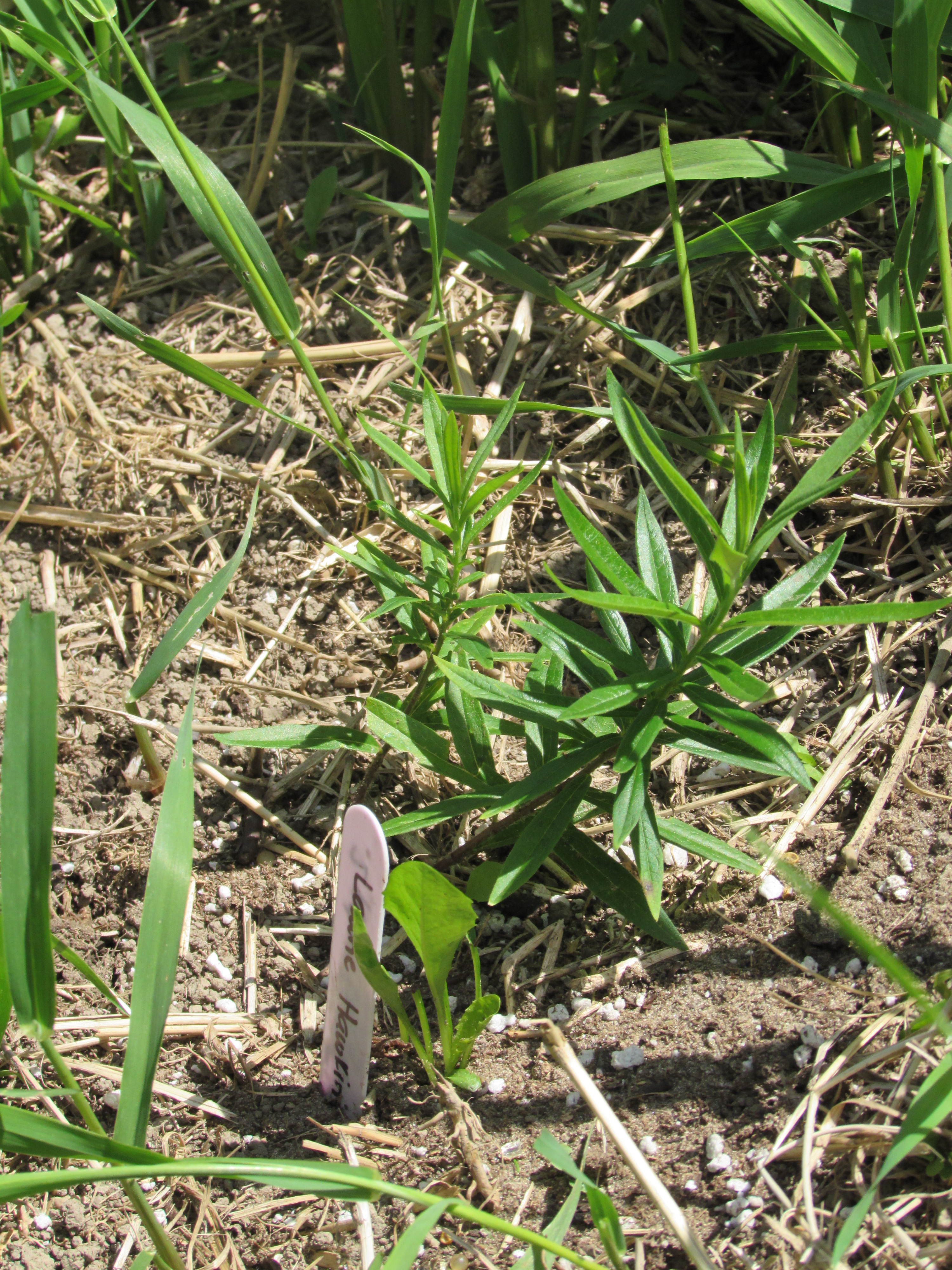
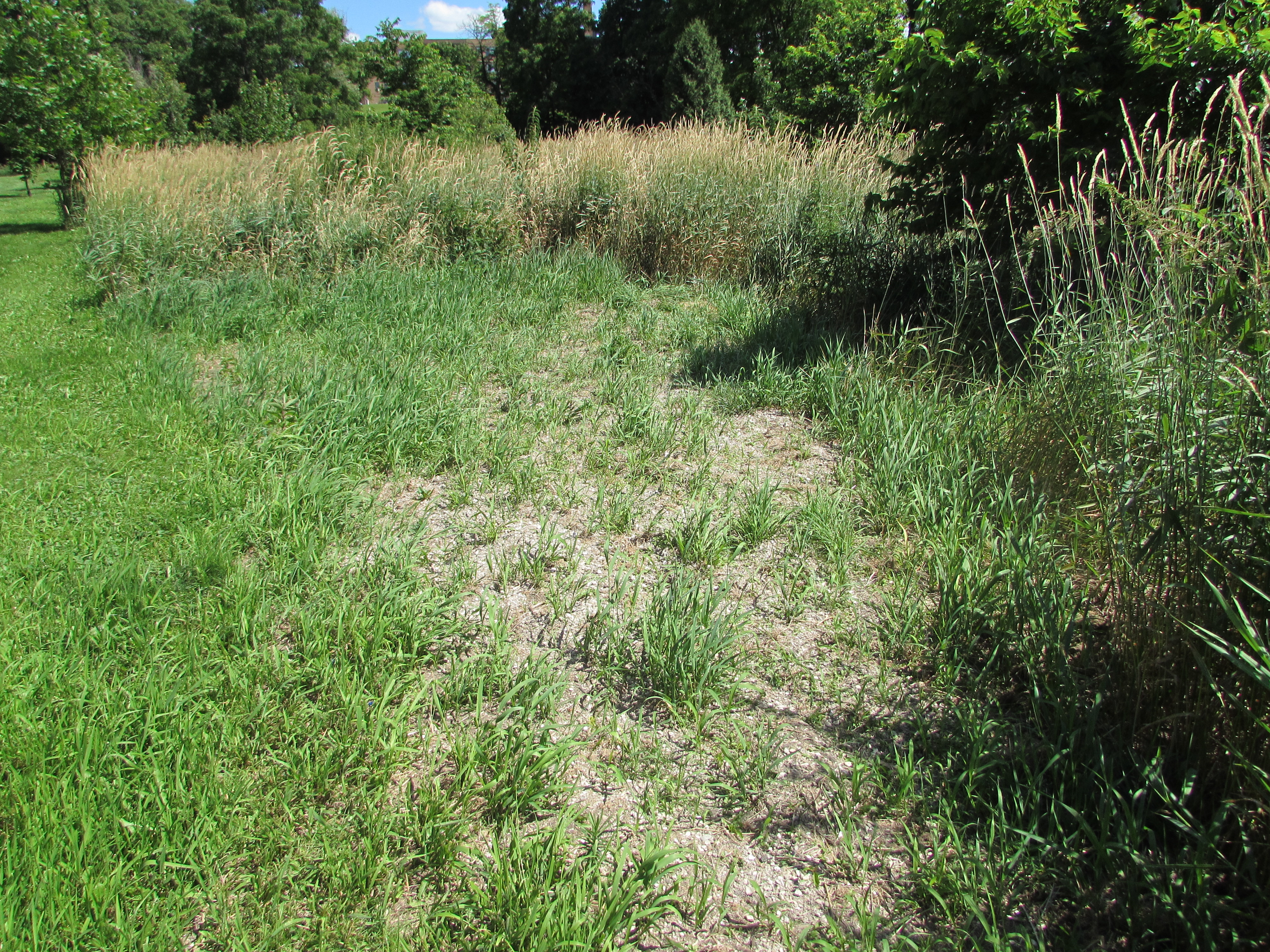
Some of you might recall the Heart FM report on the installation of a butterfly/pollination garden in Smith’s Pond in Ingersoll. (https://ingersollnatureclub.com/2014/06/24/smith-pond-park-project-heart-fm-story/) Last week, member of the Compass Partnership visited Smith’s Pond and documented the progress that the garden has made.


Join The Ingersoll District Nature Club – Find Out How!
Expressing Our Appreciation
The Ingersoll District Nature Club was saddened to learn of the passing of Auke Arthur (Art) DeJong on July 12. The Club wishes to express their appreciation of Art’s generous donation of the use of his rototiller in the recent installment of pollination gardens around the village of Ingersoll. These gardens will now serve as a reminder of his generation to our club and to this community.
This Week’s Endangered Species In Focus: Eastern Flowering Dogwood (Cornus florida)


Description:
The Eastern Flowering Dogwood is a small shrub or tree that reaches 3-10 metres in height. It has oval leaves arranged in pairs along its branches. In the spring, tiny yellow flowers grow in clusters at the end of small branches and are surrounded by showy white leaves that look like petals. In the fall, its leaves will turn to rich red-brown in colour and its berries/fruit ripen to a bright red. These berries are an important food source for our bird species, which in return distribute the seeds.
Status: Endangered Nationally
Important Dates:
February 18, 2009: Species Listed at Risk
February 18, 2010: Recovery Strategy Prepared
November 18, 2010: Government Response Statement Prepared
July 1, 2011: Species Granted Habitat Protection
Range:
- The range of Eastern Flowering Dogwood in Ontario is limited to the Carolinian Zone, a narrow band in southwestern Ontario, extending from the south eastern shore of Lake Huron, south eastward to the west end of Lake Ontario (southwest of Toronto, to Sarnia, to the shores of Lake Erie)
Habitat:
- When in the wild, the Eastern Flowering Dogwood can be found at the forest edge and most popular on dry ridges.
Threats:
- The spread of dogwood anthracnose disease/fungus has caused a dramatic decline in the Canadian population. This fungus first attacks the leaves of the tree, then spreads through the twigs and trunk. The origin of the pathogen has not been established, but it is suspected of being introduced from overseas; and
- Mowing the lawn can cause damage to the tree’s trunk or roots – this increases susceptibility to disease and pest pressure.
What YOU Can Do to Help:
- The planting of healthy, disease-free stock is priority, therefore, transplanting is strongly discouraged;
- In regions where dogwood anthracnose is a problem, homeowners and public land managers are encouraged to know the symptoms and inspect trees frequently;
- Contact your local Nature Club or Provincial Park to participate in surveys or stewardship work focused on species at risk; and
- Pollinators, such as bees, are in a steep decline across the globe and they play a key role in the survival of many of Ontario’s rare plants. For more information on this subject, visit http://www.seeds.ca/proj/poll or http://www.niagarabeeway.com/
FUN FACTS:
- The large white petals surrounding the yellow flower make an obvious target for insect pollinators in the spring;
- The bright red fruit produced by the Easter Flowering Dogwood is poisonous to humans, but can be eaten by over 50 species of birds and small mammals;
- Aboriginal people used Eastern Flowering Dogwood for medicinal purposes and used the wood for carving and making tools;
- Earlier names for the Eastern Family Dogwood include; American Dogwood, Florida Dogwood, Indian Arrowwood, Cornelian Tree, White Cornel, False Box and False Boxwood;
- The hard, dense wood has been used for products such as golf club heads, mallets, wooden rake teeth, tool handles, jeweler’s boxes and butcher blocks;
- Cornus florida is the state tree and flower of the state of Virginia. It is also the state tree of Missouri and state flower of North Carolina
What Is “Don’t Step On A Bee Day”?
July 10 has been designated as “Don’t Step On A Bee Day.”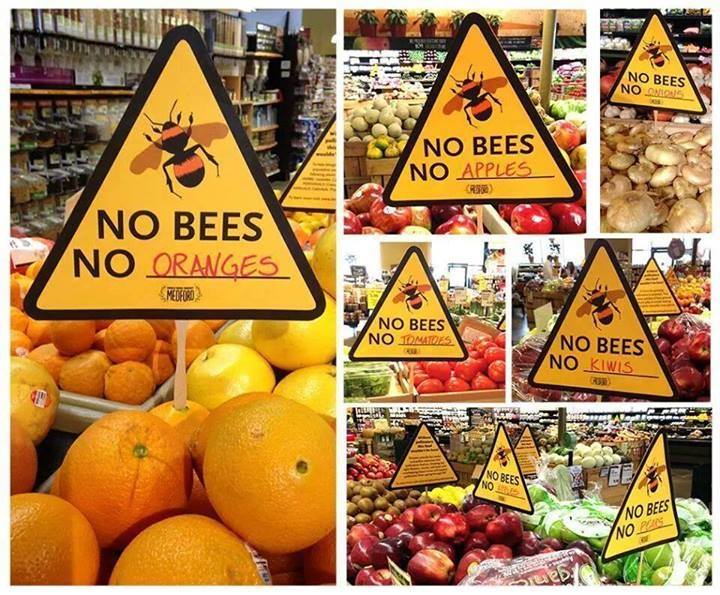
While initially used as a safety reminder to children (and adults) to not walk around barefoot in the summer and risk being stung, this day has, more recently, also become a prompt to call attention to the plight of bees world-wide and the importance of bees. One report points out that, since 2006, colonies of honeybees have been declining in population by approximately 30% per year.
An issue of Women’s Health Fitness e-zine points out that “(the) Bee pollen actually contains all of the nutrients you need to live. Certain studies on mice that have been fed exclusively bee pollen and nothing else have not shown any signs of malnourishment. Some of the bee pollen benefits have to do with the fact that bee pollen has high concentrations of the B vitamin complex, and also contains Vitamins A, C, D, and E.”
A June 2012 CSRWire article (that can be read at http://www.csrwire.com/press_releases/34285-Burt-s-Bees-Creates-Wild-For-Bees?tracking_user=tracy@sustainabilityconsulting.com&tracking_source=email) points out that ” It turns out Bees do more than most people realize–for such small, short-lived creatures, they do a lot of heavy lifting to keep life on Earth in balance. In fact, one third of the most delicious and nutritious foods on Earth simply wouldn’t exist without bees. Because they are instrumental to biodiversity, they are what scientists call indicator species, so they function as a buzzing alarm system for the health of our planet’s ecosystem.”
Recent media coverage of a proposed ban on pesticides as well as the “Decline of the Honey Bee” event has brought the plight of the bee further into the spotlight. And so, on July 10th, let’s remember just how important the bee is to our every-day lives.
This Week’s Endangered Species In Focus: American Columbo (Frasera caroliniensis)

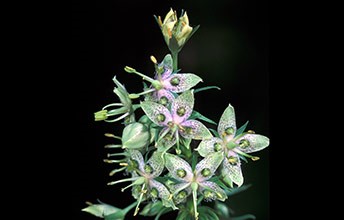
Description:
This hearty perennial produces tall (the entire plant can reach heights over 2 meters), distinctive spikes of flowers that are green-yellow with purple specks. It grows in a wide range of conditions but prefers partly shaded slopes in deciduous forests. The American Columbo works hard at establishing its roots for up to seven years before it produces it flower spike (some have been known to take 15!) and then dies off.
Status: Endangered
Important Dates:
June 30, 2008: Species listed At Risk
November 22, 2013: Recovery Strategy Prepared
June 30, 2013: Species Granted Habitat Protection
Range:
In Canada, the American Columbo is only found in the Carolinian forest region of southern Ontario. Based on field surveys performed in 2004 and 2005, 13 populations are currently believed to exist.
Habitat:
- American Columbo lives in dry upland areas, rocky woods and to a lesser extent along open forest edges and dense shrub thickets in Ontario
- This species ranges from deciduous forest regions in southern Ontario, through southern Michigan, northern Indiana, southern Illinois, southern Missouri, southeast Oklahoma, southwestern Arkansas and northern Louisiana
Threats:
- Habitat loss and encroachment from invasive plants such as the Common Buckthorn, Japanese Barberry, White Sweet Clover and Tatarian Honeysuckle are the greatest threats to the American Columbo.
Protection:
- The American Columbo receives species and habitat protection under the Ontario’s Endangered Species Act and the federal Species at Risk Act
What You Can Do to Help:
- Invasive species seriously threaten many of Ontario’s species at risk. To learn what you can do to help reduce the threat of invasive species, visit http://ontario.ca/invasivespecies, http://www.invadingspecies.com/, http://www.ontarioinvasiveplants.ca/, or http://www.invasivespecies.gc.ca/
- Pollinators, such as bees, are in a steep decline across the globe and they play a key role in the survival of many of Ontario’s rare plants. For more information on this subject, visit http://www.seeds.ca/proj/poll or http://www.niagarabeeway.com/
- Volunteer with your local nature club or provincial park to participate in surveys or stewardship work focused on species at risk
- The Carolinian forests of southern Ontario support an amazing diversity of plants and wildlife, including many species at risk. Carolinian Canada is working to help recover species at risk and their habitats. For more information, visit: http://www.carolinian.org/SpeciesHabitats.htm
FUN FACTS:
- It was a common belief in the early 19th century that the root of the plant might be externally used for gangrene. It was also claimed to be useful in treating jaundice, scurvy, gout and rabies;
- Two new populations were discovered in Ontario during 2005;
- The Cherokee Nation used the American Columbo as a tonic, antidiarrheal, antiemetic and a disinfectant; and
- Populations of American Columbo tend to flower synchronously, with individuals producing a single flower stem 2-3 meters tall
This Week’s Endangered Species In Focus: American Chestnut
Description:
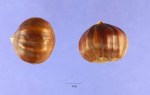
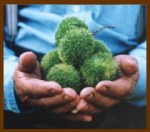
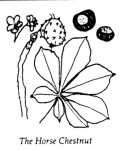
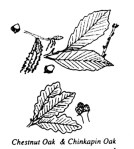
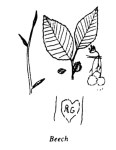
The American Chestnut is a tall deciduous tree that formerly reached about 30 metres in height; however, trees in Ontario are now typically only 5-10 metres tall. Chestnut trees have both male and female flowers but cannot self-pollinate. The fruit is a spiny bur-like husk enclosing one to five edible nuts. The nuts develop through late summer, with the burrs opening and falling to the ground near the first fall frost. Don’t be confused, the following trees are commonly mistaken with the American Chestnut:
1) The Horse Chestnut;
2) Chestnut Oak & Chinkapin Oak ; and
3) Beech
Status: Endangered Provincially and Nationally
Important Dates:
June 30, 2008: Species Listed as Endangered
June 30, 2013: Species Granted Habitat Protection
Range:
- Was widespread in eastern North America, but now primarily restricted to southwestern Ontario;
- Based on data dated 2004, it was estimated that there was 120 to 150 mature trees and 1,000 young trees in the province
Habitat:
- Prefers dryer upland deciduous forests with sandy, acidic to neutral soils;
- In Ontario, it is only found in the Carolinian Zone between Lake Erie and Lake Huron;
- Will grow alongside the Red Oak, Black Cherry, Sugar Maple and American Beech trees
Threats:
- The epidemic called chestnut blight, has and continues to have a drastic impact on the American Chestnut population
o Chestnut Blight: a fungus accidentally introduced to North America from Asia in the early 1900s killing 99% of the American Chestnut trees within 30 years;
- Habitat loss due to forest clearing and damage to trees during logging operations;
Protection:
- A recovery team was formed in 1988 to conduct research to identify blight-resistant (some remaining trees have shown resistance) species. The key to recovery may be the successful propagation and planting of a disease resistant stock;
- Protected under the Ontario’s Endangered Species Act, 2007
What Can You Do to Help:
- The Canadian Chestnut Council is a scientific and charitable organization dedicated to the protection and recovery of American Chestnut in southern Ontario. Find out more here
FUN FACTS:
- Aboriginal people used the American Chestnut for treating numerous ailments (coughs, dermatitis and heart trouble), as a staple food, to build shelters, for firewood and a source of dye; and
- The American Chestnut has been referred as the “bread tree” because their nuts are so high in starch that they can be milled into flour; they can also be roasted, boiled, dried or candied; and
- About 2,500 chestnut trees are growing on 60 acres near West Salem, Wisconsin – this is the world’s largest remaining stand of American chestnut
JUNE 26 – Learn More About Hugelkulture Gardens
Over the past few weeks, Fusion Youth Centre has been busy building a Hugelkulture Garden.
Hugelkulture are no-dig raised beds with a difference. They hold moisture, build fertility, maximize surface volume and are great spaces for growing fruit, vegetables and herbs.
Tonight (June 26), Fusion Youth will be planting in their newly created Hugelkulture Vegetable Garden at 6:30 pm at the Fusion Youth Centre on Thames Street North in Ingersoll. The public is welcome to attend to learn more.
Ingersoll District Nature Club & Compass Partnership teamed up with Fusion Youth Center to create this vegetable garden.
For more information, contact Robin House by email at compassoutreach2014@gmail.com.
 Ingersoll District Nature Club