
Plastic remains in our environment for hundreds, perhaps thousands of years, damaging our society, the environment and the economy. The lifetime cost of plastic produced in 2019 alone will be US$3.7 trillion, more than the GDP of India. Learn more and sign the petition.
The Timid And Curious Red Fox
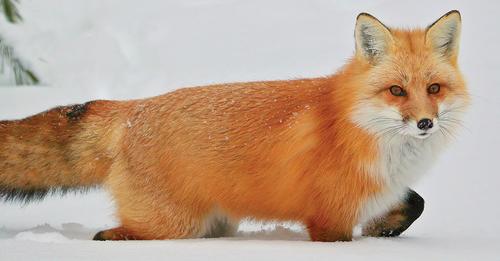
Did you know? Red foxes are found in all of Canada’s provinces and territories, making them one of the most widespread mammals in the country. Read more in the Nature Canada article.
How To Get Close To Birds: 4 Strategies From A Photography Pro
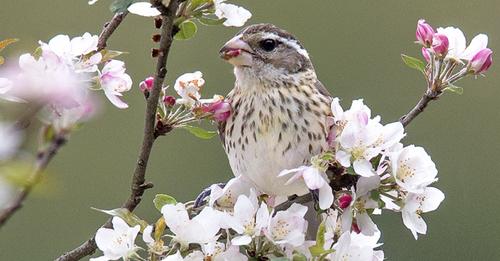
Bird photography can seem daunting at first. How do you “gain an audience with birds” and capture that close up shot? In this article, award-winning photographer Melissa Groo shares four professional strategies she uses to get great photos, even in everyday settings like the comfort of her own backyard.
Looking For Ways To Reduce Your Carbon Footprint?
Reduce your carbon footprint through switching to clean energy sources, changing the way you travel, and reducing your consumption by recycling and reusing everything! The WWF presents five changes you can make. Read more on the WWF’s web page.
How Do Birds Survive the Winter?
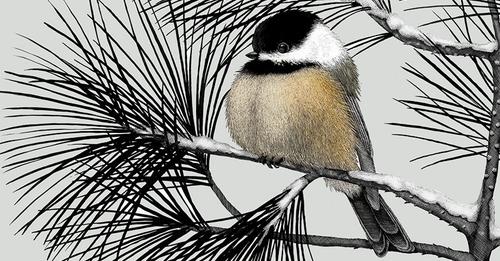
How do birds cope with cold winter temperatures? How do they find food in the snow, and how do they make it through long, freezing nights? Check out some of their secrets in this article from Living Bird magazine.
Prime Minister Delivers Mandate To New Parks Canada Minister
This is a big deal: Federal Environment Minister Steven Guilbeault is tasked with establishing 10 new National Parks and 10 new National Marine Conservation areas over the next five years by working with First Nations and the provinces/territories, and 15 new National Urban Parks by 2030 (the 7910 hectare Rouge National Urban Park in Toronto that protects important tracts of highly endangered Carolinian ecosystems is the first example of this new designation).
Currently there are 47 national parks, 5 national marine conservation areas, and 1 national urban park in Canada.
Of any major protected area designation in Canada, National Park units are generally the largest (which is key to sustain the long-term ecological integrity of their ecosystems) with the highest protection standards and the greatest investment in conservation resources.
The federal government is also aiming to expand/create 22 National Wildlife Areas across Canada by 2030 (some current examples this type of designation include Vaseux Lake-Bighorn and Widgeon Slough in BC; Last Mountain Lake in Saskatchewan; and Long Point in Ontario).
These federal protected areas are part of the federal government’s plan to ensure the protection of 25% by 2025 and 30% by 2030 of the land and marine areas in Canada (currently 12% of Canada’s land area is protected and 14% of the marine waters have different levels of protection).
However, to reach these targets, most protected areas must be established by the provinces (which will generally be Provincial Parks and Indigenous Protected and Conserved Areas, such as Provincial Conservancies in BC), since even the establishment of all the aforementioned federal protected areas designations (which still need provincial buy-in) will come up far short in meeting Canada’s protected areas targets.
That is, the key stumbling block to expanding the protected areas system in Canada are the provinces (with the exception of Quebec, whose commitments match and in some ways exceed those of the federal government) who generally have not embraced the federal protected areas targets and agenda nor have they provided their share of key funding to make it happen.
The federal government is currently using “carrots” ie. federal funding, to try to help foster provincial buy-in to expand protected areas – but the time is coming that the provinces need to be strong-armed to hurry up now after years of being conservation laggards and to get on board the national and international conservation momentum, as the protection of nature is a key remedy to the extinction and climate crises that none of us will escape.
We will be playing an important role in that effort to bear-down pressure on the provinces shortly, and will need YOUR help! Watch for upcoming calls to action!
Are Cardinals Redder In Winter?

There’s something stunning about a bright-red male cardinal against a snowy backdrop. Is it just the contrast that makes them look so brilliant, or are they really brighter in winter? The answer has to do with some peculiarities in the way the birds molt.
Read the full answer from Cornell Lab of Ornithology’s All About Birds.
Ontario Wetlands Deserve Better
With provincial and municipal elections on the horizon in 2022, the opportunity exists to let aspiring candidates know that wetlands matter and that people concerned about them will vote accordingly.
Community Vs. Mega-Landfill

Read how the will of the people superseded the desire of the corporation in a blog post on Ontario Nature’s website about the battle against the Walker landfill, written by IDNC’s Sheila Fleming. https://ontarionature.org/ingersoll-nature-community-vs-megalandfill-blog/. This blog was originally published by Ontario Nature.
Go From Zero To Planet Hero In 2022
The WWF wants to help you do your part in shaping a healthier planet and brighter future for all. They’ve put together a series of 5-week challenges – sent directly to your inbox – that will empower you with simple yet impactful everyday tips to live more sustainably, protect our planet’s habitats, preserve its biodiversity, and fight against climate change! Every action adds up, no matter where you are – and you too can go from Zero to Planet Hero today! Find out more at https://explore.panda.org/zero-to-hero
 Ingersoll District Nature Club