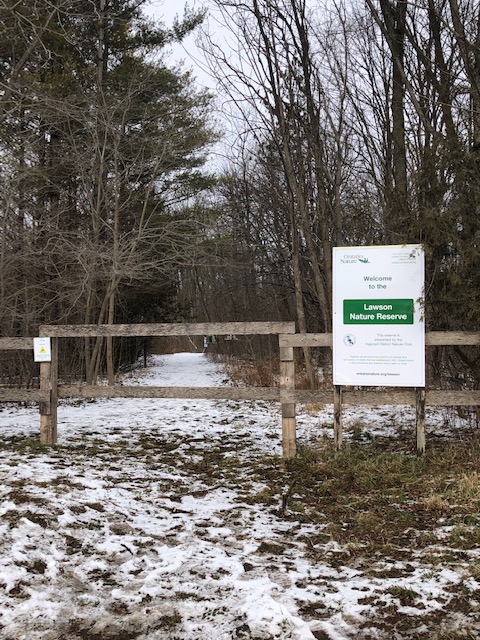
2021 Annual Bird Count – Lawson Nature Reserve

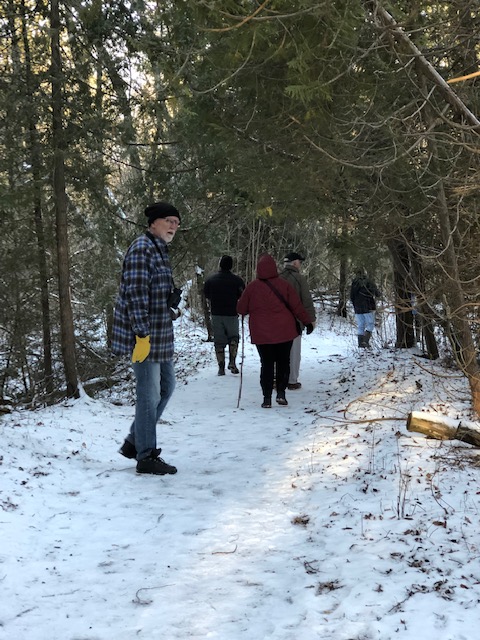
Thanks are extended to the nine club members who participated in this year’s annual Christmas Bird Count, held on December 28. Sightings of 12 species from the two and a half hour walk are noted below along with count numbers from December 2017 to 2020, for comparison.  There was little activity in the Reserve.  It was 4 degrees above, sunny with minimal wind.  December saw little snow accumulation.

Species20212020201920182017
American Goldfinch151093517
Northern Cardinal080139
Dark-Eyed Junco13180736
American Tree Sparrow00001
White-crowned Sparrow01000
Brown Creeper01202
White-breasted Nuthatch469119
Red-breasted Nuthatch  06000
Black-capped Chickadee4425194323
American Crow8010953
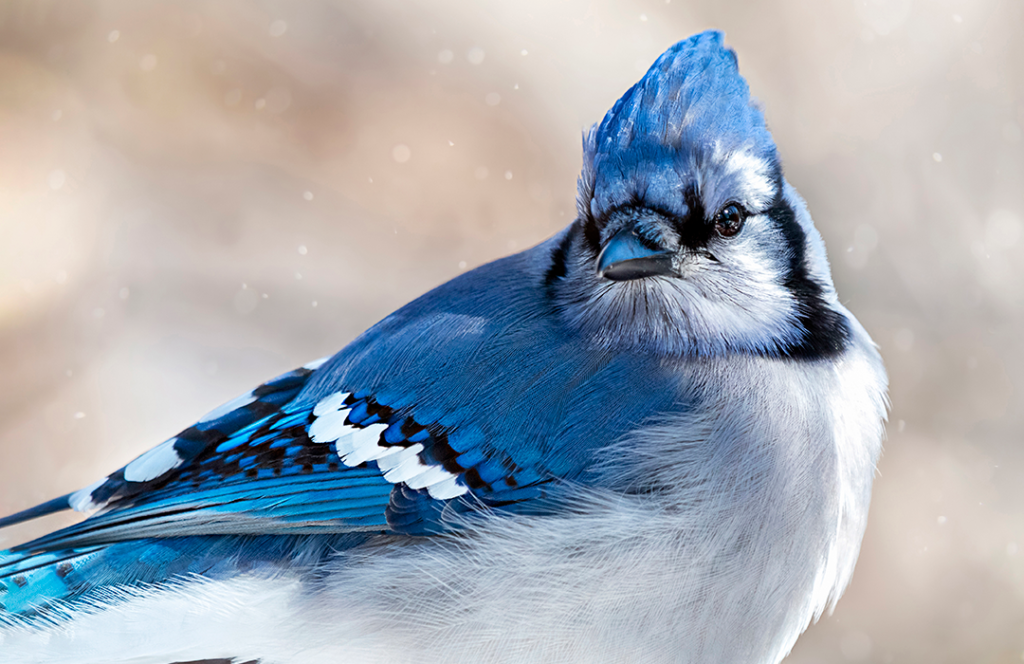
Blue Jay8141518
Mourning Dove233111
Canada Geese024 (in-flight)14522
Herring Gull00810
Hairy Woodpecker00010
Downy Woodpecker254129
Red-bellied Woodpecker14534
Pileated Woodpecker  01000
Ducks (unidentified)000150
Red-tailed Hawk00010
Rough Legged Hawk  01000
Harrier Hawk  00100
Coopers Hawk  01 (in flight)100
Starlings  001500
Great Horned Owl  01100
Bald Eagle  00100
Rock Pidgeons  002000
Raven (heard, not seen)  01000
Flicker  10000
Sparrow (Sp)  10000
House Sparrows  30000

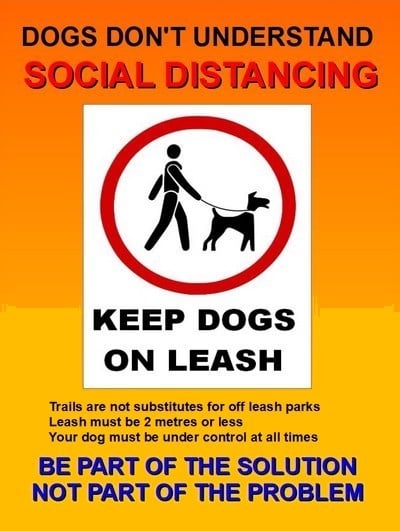
Dogs Don’t Understand Social Distancing

Originally posted on the Oxford County Trails Council Facebook page.

BYLAW AMENDED: Due to the high number of dog instances, The Township of South-West Oxford has increased the fines if your dog attacks or bites anyone or another animal to $1000. Please keep your dogs on a leash and pick up after them. Respect the rights of others to enjoy the trail who are not dog people.

Animal Care and Control By-law 76-2017 to establish a set fine in the amount of $1,000 per occurrence if a person fails to prevent their dog from attacking or biting a person or domestic animal. Enforcement staff may issue a ticket to the dog owner if or when an incident occurs. Additional charges may be brought upon the owner as per the provincial Dog Owner’s Liability Act. It is the responsibility of dog owners to ensure their dog remains under their control at all times, and does not bite or attack.</p

Watch Birds Out Your Window And Be Part Of Scientific Research

Common Redpolls Photo: Stéphane Giguère, Québec

Source: Birds Canada – article by Kerrie Wilcox, Manager, Project Feederwatch

Did you know that you can connect to nature, learn about backyard birds, and contribute to important scientific research – without leaving your home? You can with Project FeederWatch!

Our backyards are important habitats for birds year-round. To help birds, we need to understand how these habitats and the birds using them are changing over time. Your counts of winter backyard birds tell us which species are doing OK and which ones need our conservation attention.

Read more at https://www.birdscanada.org/watch-birds-out-your-window-and-be-part-of-scientific-research/

National Day For Truth And Reconciliation

The first National Day for Truth and Reconciliation, as well as Orange Shirt Day, is on Thursday, September 30. Truth and Reconciliation Day is a day dedicated to honour the lost children, residential school survivors, and their families. We at Ingersoll District Nature Club want to acknowledge that Every Child Matters, and we stand in solidarity with our Indigenous communities by helping spread awareness surrounding the tragic history of residential schools.

We encourage everyone to recognize this important day by wearing an orange shirt as a show of support for residential school survivors and to honour those who lost their lives.  We hope members of our local communities take the time to recognize this day, and to reflect on the lives lost and the lives that have been forever changed.

For more information, visit National Day for Truth and Reconciliation – Canada.ca to learn about  Indigenous history in Canada and the reasons behind the need for Truth and Reconciliation and a Call to Action.

Thames Talbot Land Trust To Hold BioBlitz Fundraiser

From the Thames Talbot Land Trust:

Thames Talbot Land Trust is holding a BioBlitz Fundraiser called Out for the Count. The event will collect valuable species data while raising funds for nature! Anyone can participate, from complete beginners to seasoned experts. The event runs for a full 24 hours on September 18, 2021 (12 a.m. to midnight).

Folks can sign up in teams to participate on the event day or people can join one (or more) or the community challenges we are offering this year with or without a team. People can visit a TTLT nature reserve or their favourite spot close to home. We’re also selling t-shirts for $15 that people can pick up and wear for the event!

More information and registration is available on our website: https://www.thamestalbotlandtrust.ca/outforthecount2021

Nature Needs Your Vote

From Nature Canada:

Canada is home to vast forests, bountiful oceans, sprawling grasslands, and a myriad of other ecosystems but the effects of climate change continue to threaten their future. This election, our candidates must commit to a plan that protects and restores the nature we have left before it’s too late.

Now more than ever, we need to make nature a ballot-box issue. Our five-point nature platform provides a breakdown of policy priorities that we believe our next federal government should focus on to ensure a green and promising future for generations to come. 

Read the Nature Platform before you vote.

As Canadians across the country suffer through forest fires, heatwaves, and other signs of severe weather to come, Canada needs an immediate and credible plan to halt and reverse nature loss.

On election day, will you vote for nature? Together, we can elect a government that will uphold environmental protection, social justice, and Indigenous rights for the future of all Canadians. 

Yours for nature, 

Nature Canada 

P.S. Not sure who to vote for? Ask your candidates these five questions to see if they’re truly committed to protecting nature. 

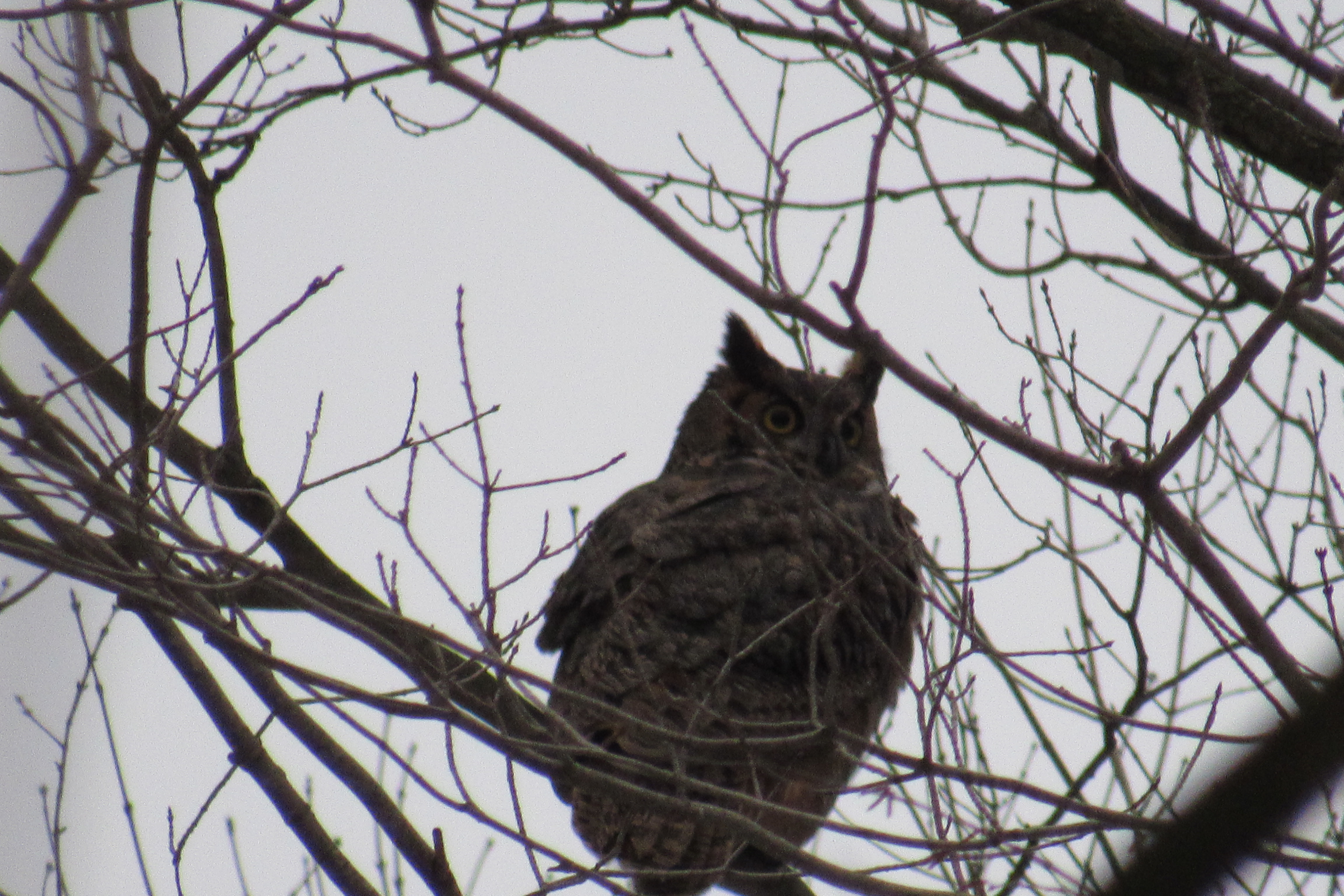
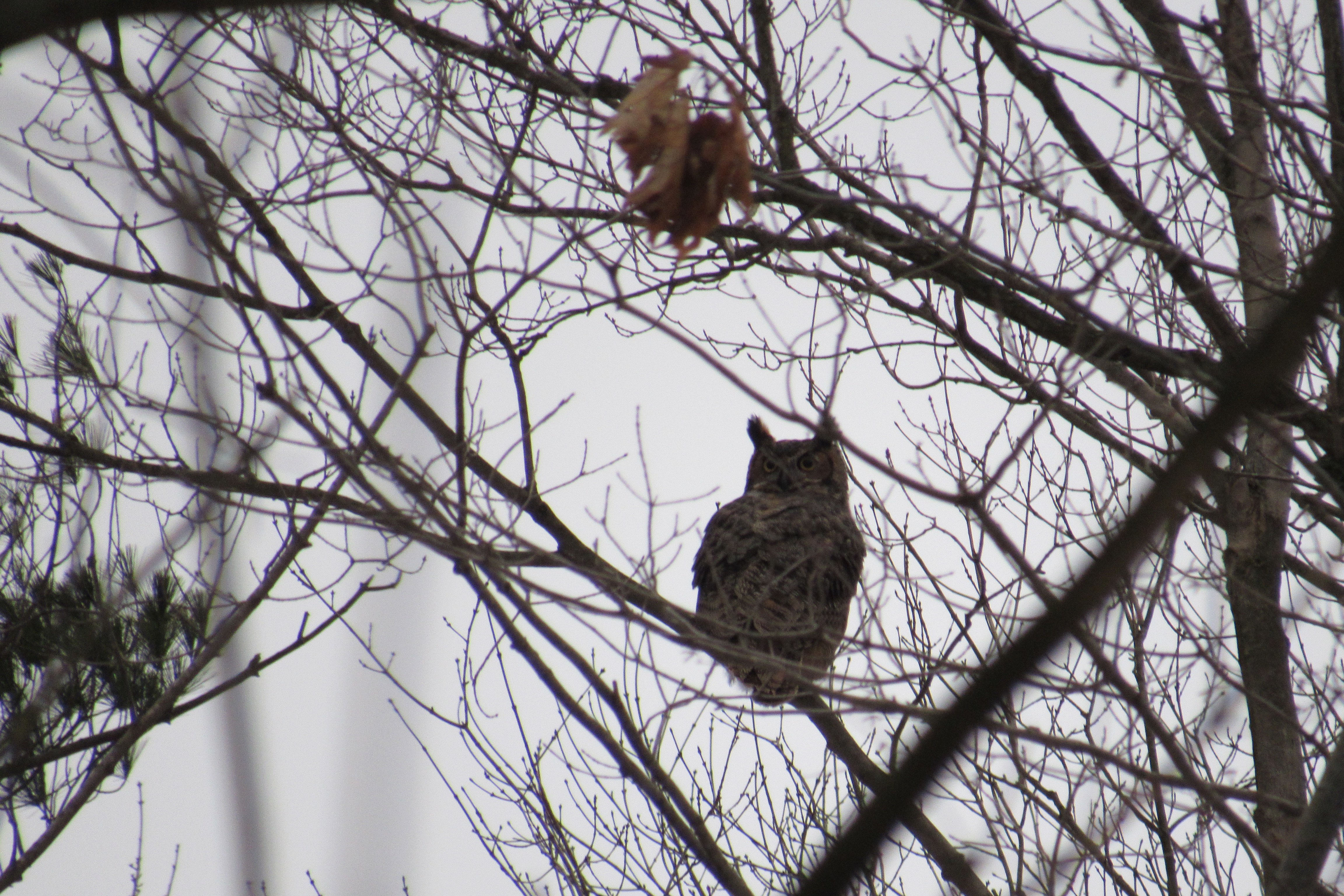
Great Horned Owl Visits Lawson Nature Reserve

Thanks to Megan Leedham for sending these photos from our December 2020 bird count.  With its long, earlike tufts, intimidating yellow-eyed stare, and deep hooting voice, the Great Horned Owl is the quintessential owl of storybooks.  It is one of the most common owls in North America, equally at home across all landscapes – wetlands, forests, grasslands, backyards, cities and almost any other semi-open habitat between the Arctic and the tropics.   The great horned owl remains so widely distributed and remarkably tolerant of major habitat disturbance by people that its future seems secure.  It is listed as “Least Concern (Population stable).  However, it is always exciting when we see a bird of prey of this stature on our property.

Cool Facts:

  • Great Horned Owls are fierce predators that can take large prey, including raptors such as Ospreys, Peregrine Falcons, Prairie Falcons, and other owls. They also eat much smaller items such as rodents, frogs, and scorpions.
  • When clenched, a Great Horned Owl’s strong talons require a force of 28 pounds to open. The owls use this deadly grip to sever the spine of large prey.
  • If you hear an agitated group of cawing American Crows, they may be mobbing a Great Horned Owl. Crows may gather from near and far and harass the owl for hours. The crows have good reason, because the Great Horned Owl is their most dangerous predator.
  • Even though the female Great Horned Owl is larger than her mate, the male has a larger voice box and a deeper voice. Pairs often call together, with audible differences in pitch.
  • Great Horned Owls are covered in extremely soft feathers that insulate them against the cold winter weather and help them fly very quietly in pursuit of prey. Their short, wide wings allow them to maneuver among the trees of the forest.
  • Great Horned Owls have large eyes, pupils that open widely in the dark, and retinas containing many rod cells for excellent night vision. Their eyes don’t move in their sockets, but they can swivel their heads more than 180 degrees to look in any direction. They also have sensitive hearing, thanks in part to facial disc feathers that direct sound waves to their ears.
The Canadian Bat Box Project

The Canadian Bat Box Project

By: Karen Vanderwolf

PhD student, Trent University
Research Associate, New Brunswick MuseumEnvironmental Life Sciences

If you have a bat box I want to know about it!

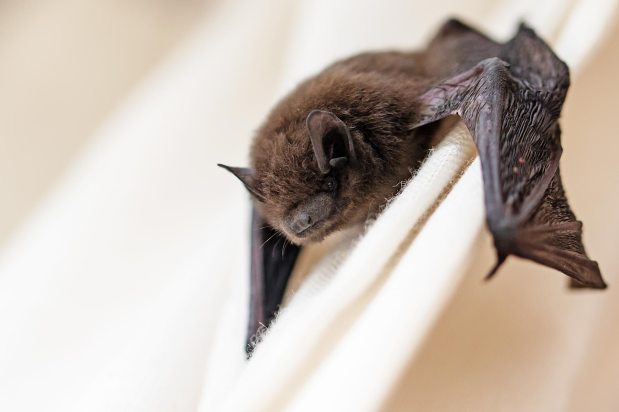
Bats in Canada face multiple threats from habitat loss and disease. As towns and cities expand, the large old trees that bats call home are being cleared, and bats are losing their roosts. Bats need a warm and secure place to roost during the day in the summer. A bat box is a simple and effective way to provide additional roosting habitat for bats, but little is known about bat box use in Canada. This especially important as three bat species in Canada are listed as endangered: little brown bats, northern long-eared bats, and tricolored bats. Bats now face additional persecution due to worries about COVID-19, but bats in North America do not have the virus that causes COVID-19 https://cwf-fcf.org/en/about-cwf/faq/faqs/should-i-be-worried-bats.html?src=blog 

Which bat species use bat boxes?

Of the 18 bat species that are regularly found in Canada, 13 have been documented using bat boxes, although these data come from studies farther south in the United States. Current recommendations on bat box design are based on research in the United States, especially Texas, and in Europe. Since the box design bats prefer varies by region and species, more information on bat boxes in Canada is urgently needed. There is very little previous research about which bat species prefer which bat box designs in Canada. Little brown bats are known to use bat boxes throughout Canada, big brown bats use boxes in some parts of Canada, and Yuma bats use boxes in British Columbia.

How you can help!

Our research seeks to determine which bat species use bat boxes across Canada, what box designs are preferred by bats, and which temperatures bats prefer for roosting in our northern climate. To accomplish this, we need to know where bat boxes are located in Canada, the physical characteristics of the boxes, and whether they are being used by bats! Participants will be sent temperature loggers to install in their box and supplies to collect guano (bat poop), as bat species can be identified from guano.

If you have a bat box and would like to participate in this study, please fill out this online multiple-choice survey with questions about your bat box. Your participation is important even if your box does not have any bats! https://trentu.qualtrics.com/jfe/form/SV_86og8C3MIgO2ff7

This project is in partnership with the Wildlife Conservation Society and the Canadian Wildlife Federation https://wcsbats.ca/Our-work-to-save-bats/Batbox-Project/BatBox-Project-Canada-wide

More information about which box designs bats use in Canada will help bat conservation by providing recommendations for improving bat box design and placement in our northern climate.

Why install a bat box?

Installing a bat box gives bats an alternative to roosting in your house, and since all bats in Canada eat only insects, you may even notice a decrease in the insect population around your house! Bats eat a variety of insects, including agricultural and forestry pests. You can watch bats swooping around your backyard at dusk catching insets in midair.

How do I tell if bats are using my box?

You can tell whether your box is being used by bats by searching for guano underneath your box and watching your box at sunset in June to count bats as they emerge for an evening of eating insects. You can watch an example of bats flying out of bat boxes in Prince Edward Island here. https://www.youtube.com/watch?v=NqZbyjhC0XI&feature=youtu.be&fbclid=IwAR1qGaCvi6ucbCdgaJkTES2O517H1uzhTbGeqAN6Srf_oLGrYmPH4TPj5L0 You can also shine a light up into the box during the day to see if there are bats inside from May to October in Canada. The boxes will be too cold for bats during the winter.

How do I get bats to use my box?

Not all bat boxes will be occupied in the first year after installation. Occupancy depends on many factors, ranging from the period in which it was installed to the fact that bats are very selective and might need a little time to familiarize themselves with your bat box. There are no lures or attractants, such as guano, that can attract bats to a bat box, although larger bat boxes with multiple chambers more commonly attract bats than smaller boxes.

Bat boxes are most successful when attached to houses or poles as opposed to trees. Trees shade the box and can block access to the box entrance. If bats are not using your box after two years, try moving the bat box to a new location.

Like tree hollows, bat boxes need to have temperatures that bats like. Bats like hot temperatures, but even in Canada some bat boxes get too hot during the summer, which can increase bat mortality. Temperatures of over 40˚C in bat boxes is too hot, and temperatures in some bat boxes in Canada have been recorded over 50˚C!

Our research group measures the temperature inside bat boxes using temperature loggers that can take a reading every hour over the whole summer. One way to ensure that bats can choose their preferred roosting temperature is to install multiple bat boxes as they will vary in temperature depending on how much direct sunlight they receive.

This bat box on the side of a house in New Brunswick houses little brown bats and their pups during the summer. Photo by Karen Vanderwolf

Little brown bats in a bat box in the Maritimes. Photo by Jordi Segers.