
Watch and share the official Earth Hour 2020 video, featuring “Rock the World” by The Script!
(Warning: Your friends will blame you for getting this song stuck in their head)
Play the video! (Warning: Side Effects May Include Humming!)

Watch and share the official Earth Hour 2020 video, featuring “Rock the World” by The Script!
(Warning: Your friends will blame you for getting this song stuck in their head)
Play the video! (Warning: Side Effects May Include Humming!)

 In 2007, Earth Hour encouraged people around the world to switch off their lights to call attention to climate change. More than a decade later, the climate crisis remains, magnified by another urgent threat: the rapid loss of biodiversity and nature.
The rate of global loss of nature in the last 50 years is unprecedented in human history – and as we saw with the fires in the Amazon and most recently, in Australia, it’s only getting worse. 😢
For the city folks out there, we get it – nature and the outdoors aren’t really in your backyard, and the buildings around you aren’t on fire so why care, right? Wrong!
We may not always realize it, but nature has a critical role in almost every aspect of our lives. From the water we drink, the air we breathe, the food we eat – that’s right, no nature means no pizza or chocolate 😯 – and even the sports we play, nature is critical to our survival, well-being, and quality of life!
But that’s not all – nature is also one of our strongest allies against climate change, which could affect one billion people by 2050.
This Earth Hour, you have the power to spread awareness in your community on the importance of celebrating, protecting, and restoring nature.
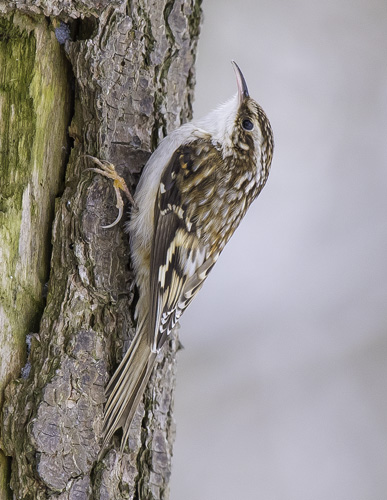
Thanks are extended to the eight club members who participated in this year’s annual Christmas Bird Count, held on December 28, 2019. Sightings of 17 species from the two-hour walk are noted below along with count numbers from December 2017 and 2018, for comparison. There was little activity in the Reserve – perhaps due to warmer weather some birds are staying farther north for longer.
| Species | 2019 | 2018 | 2017 |
| American Goldfinch | 9 | 35 | 17 |
| Northern Cardinal | 0 | 13 | 9 |
| Dark-Eyed Junco | 0 | 7 | 36 |
| American Tree Sparrow | 0 | 0 | 1 |
| Brown Creeper | 2 | 0 | 2 |
| White-breasted Nuthatch | 9 | 11 | 9 |
| Black-capped Chickadee | 19 | 43 | 23 |
| American Crow | 9 | 5 | 3 |
| Blue Jay | 1 | 5 | 18 |
| Mourning Dove | 3 | 1 | 11 |
| Canada Geese | 1 | 45 | 22 |
| Herring Gull | 8 | 1 | 0 |
| Hairy Woodpecker | 0 | 1 | 0 |
| Downy Woodpecker | 4 | 12 | 9 |
| Red-bellied Woodpecker | 5 | 3 | 4 |
| Ducks (unidentified) | 0 | 15 | 0 |
| Red-tailed Hawk | 0 | 1 | 0 |
| Harrier Hawk | 1 | 0 | 0 |
| Coopers Hawk | 1 | 0 | 0 |
| Starlings | 15 | 0 | 0 |
| Great Horned Owl | 1 | 0 | 0 |
| Bald Eagle | 1 | 0 | 0 |
| Rock Pidgeons | 20 | 0 | 0 |
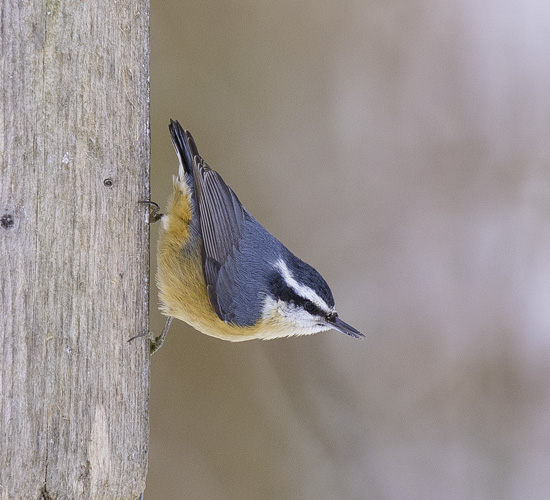

Photos courtesy of Terry Parker, Professional Wildlife Photographer.
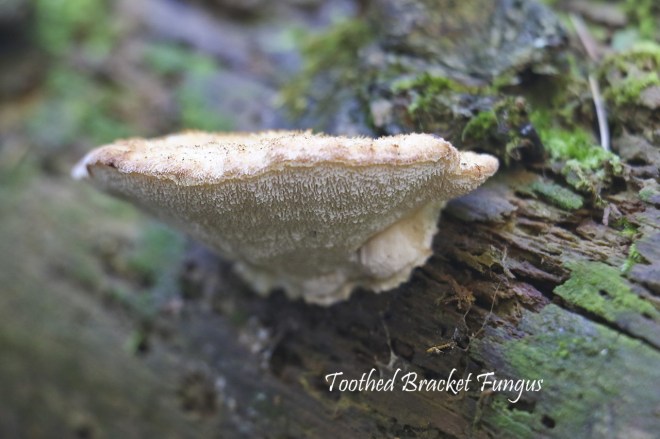
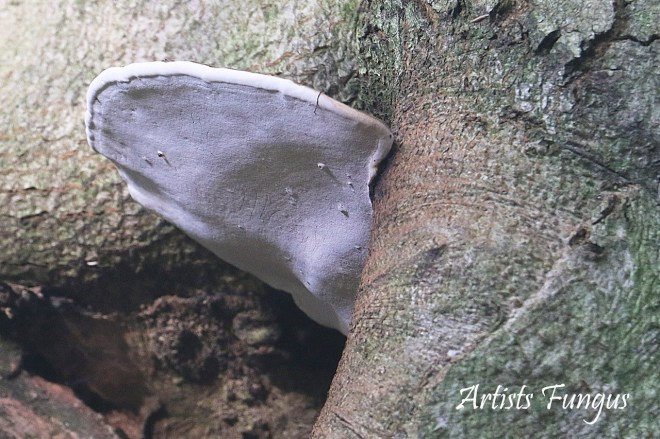
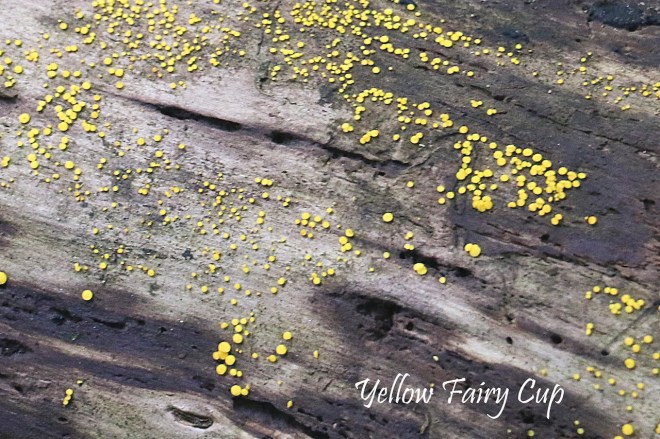
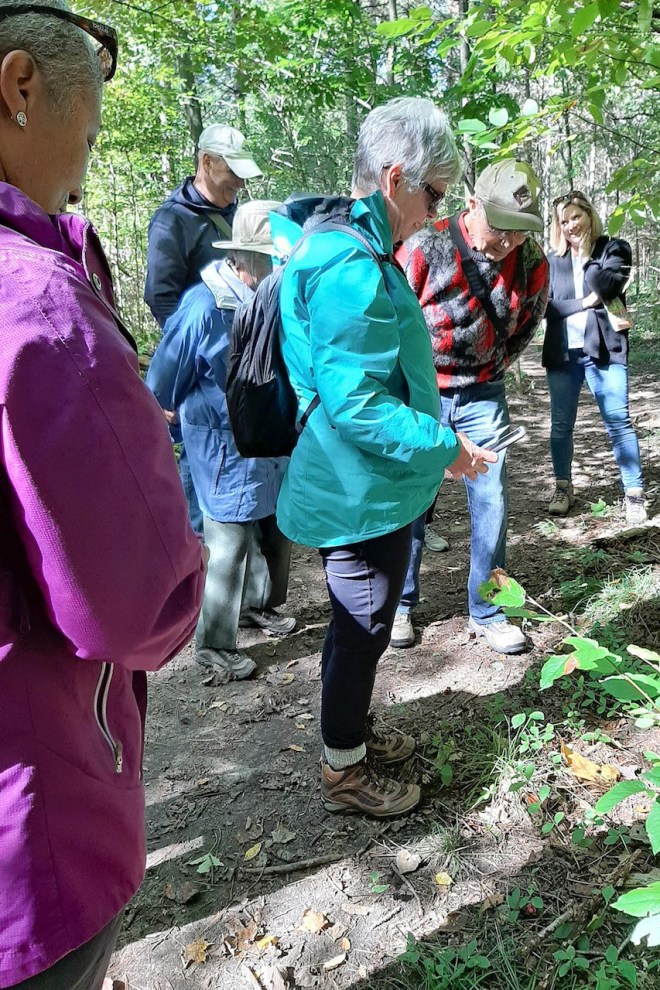
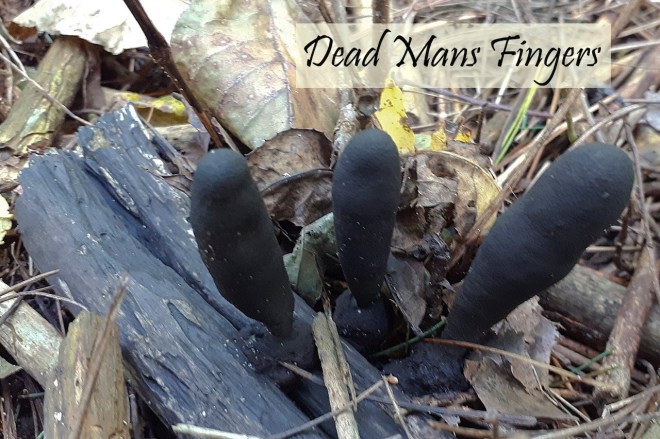
On October 5, the Ingersoll District Nature Club held a Fungus Walk at the Lawson Nature Reserve. Nine people came out for the walk, including four members of the Nature Club and five visitors. Led by Club member Bill Grant, the Nature Club found a good variety of fungi and explained several berries and plants found along the walk.


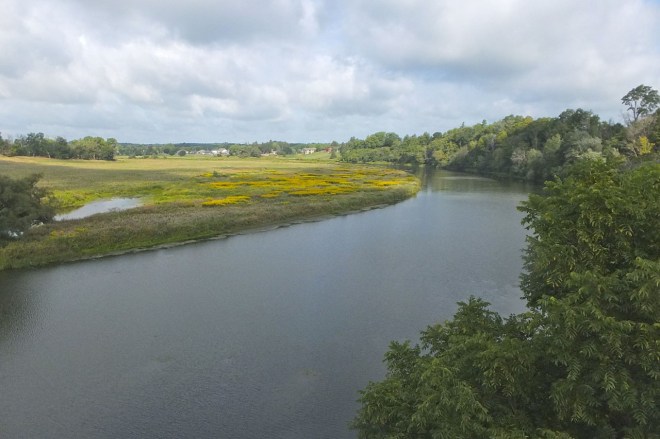
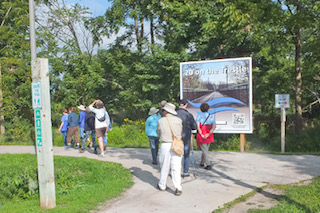 On September 7th, Nature Club members walked the St. Mary’s Avon Trail, noting great weather and great co-operation from resident flora and fauna. A beautiful walk, it covers a portion of the Grand Trunk Trail (an old rail line), including the high bridge over the river – a view of which is provided in the first photo. Community members are invited to join our outdoor and indoor activities any time – all welcome.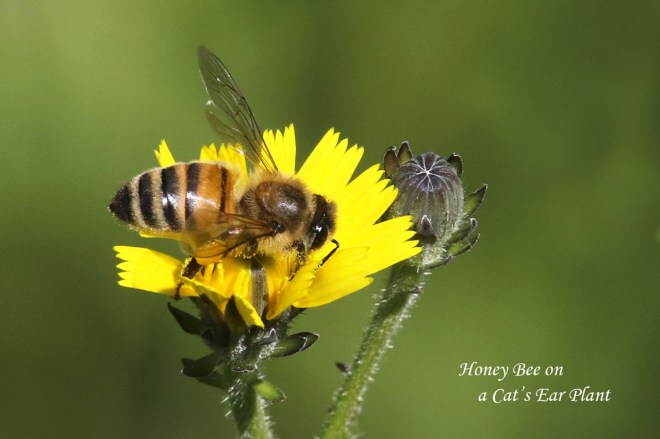

Compiled from an email from Nature Canada
On August 19, 2019, the federal government announced their commitment of 175 million dollars in funding to support the creation of protected areas across Canada, reaffirming their commitment to protecting 17% of lands and inland waters. This is a historic moment for Canada, and for the nature community at large. If you were successful in your application for funding, we’d like to say congratulations!
This moment is an opportunity for the Nature Network to showcase it’s breadth across our country and to encourage our governments to do more to protect nature. To do that, we are inviting nature organizations to celebrate loudly alongside us by sharing this exciting news with their members and supporters alike. We have created free content that you can use to engage your membership through emails and on social media; to let our politicians know that we are a strong constituency and that we are just getting started in our fight to protect nature!
If you would like to participate in the amplification of this major success for our community, please feel free to access the content provided through our Google Drive link. Every item is logo free and you are able to adapt it to your own specifications.
Let’s show Canada how proud we are of this accomplishment and showcase our passion for nature! #OurNature #doubledandprotected
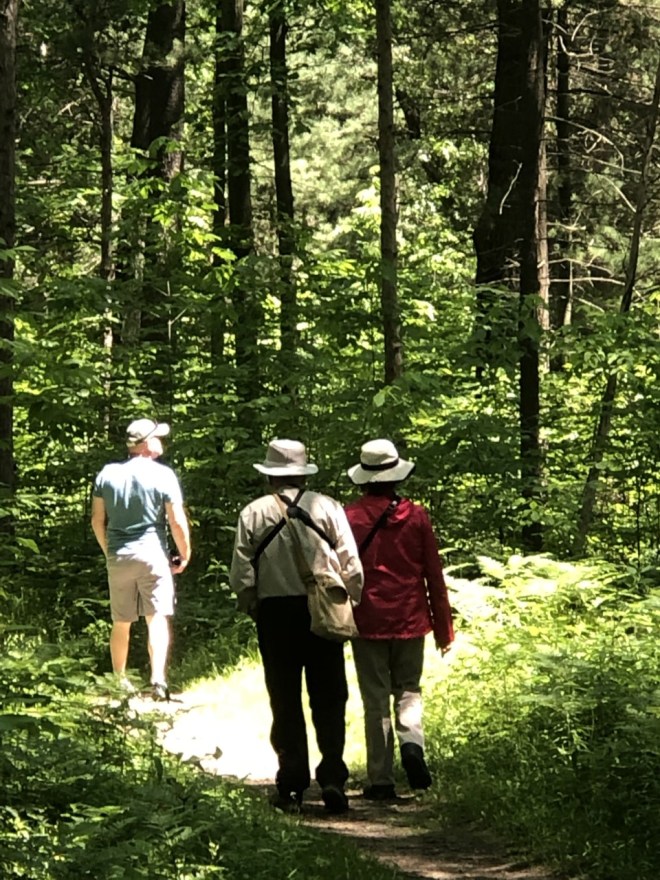
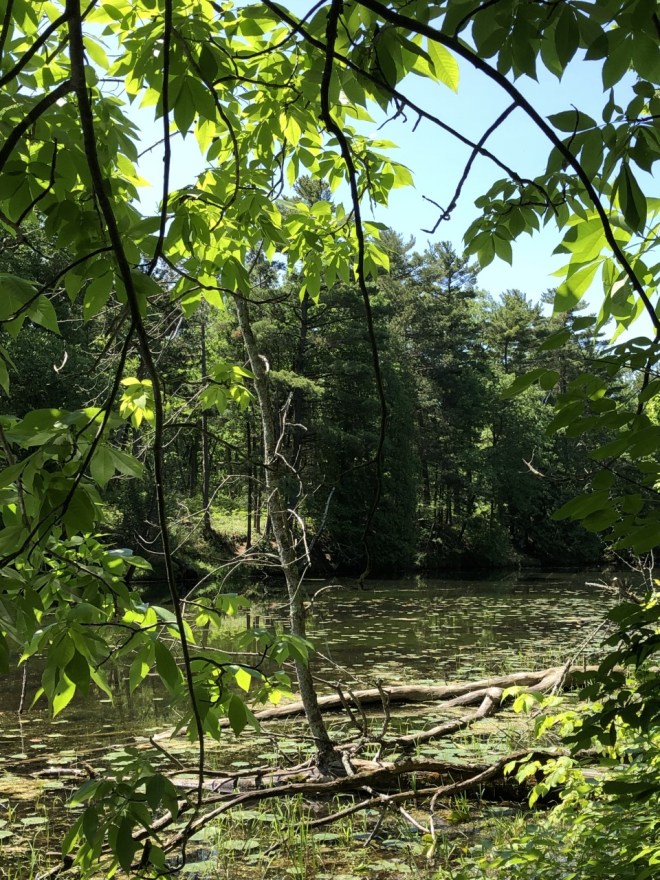
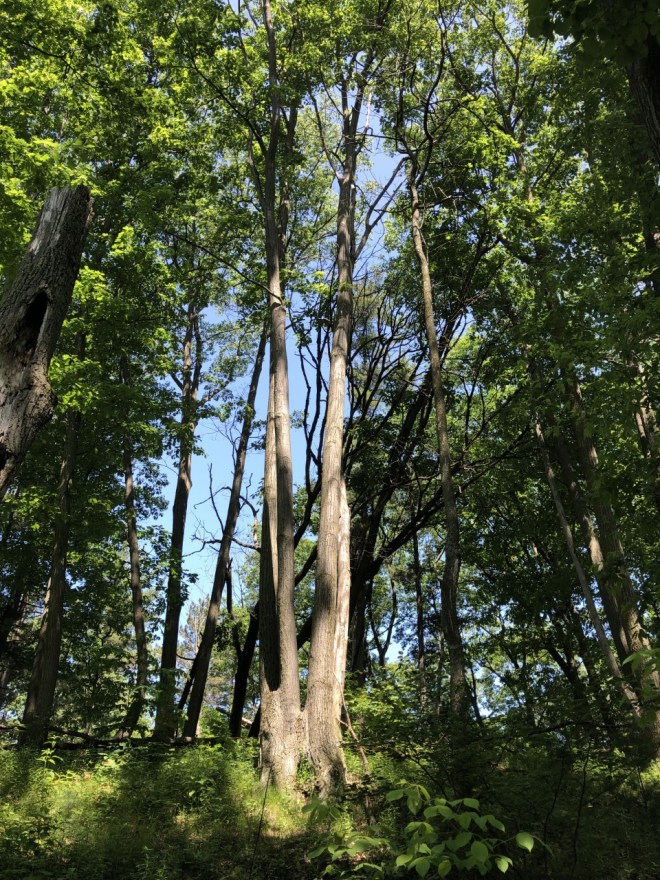
 On June 22nd, members of the Club had a great day of bird watching at the Pinery Provincial Park. The Park features an extremely rare and fragile Oak Savanna ecosystem with extraordinary biodiversity – over 300 bird species and over 800 vascular plants. While just beyond the spring migration period, we felt fortunate to see a number of transitory and local bird species while walking only two trails. Our bird count resulted in the following, noted below:
Members of the public are welcome to join in our outings. There is no cost, and no experience required. Members are always happy to share their expertise! It can be very rewarding to participate in “citizen science”, or to simply enjoy the beauty of our feathered friends and their astonishing diversity of plumage, song, manner of flying and foraging. Bird-watching is for everyone, young, old, the robust, those not so physically active. IDNC hosts a Christmas Bird Count on December 28th at the Lawson Nature Reserve – a great time to take a plunge into the interesting world of birds. See our Activity List for more information.
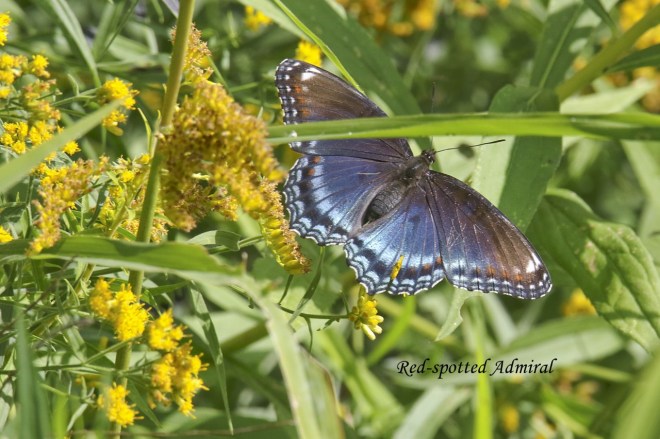
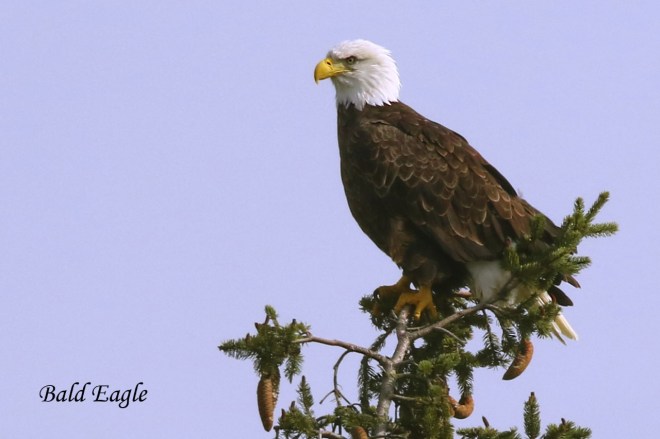
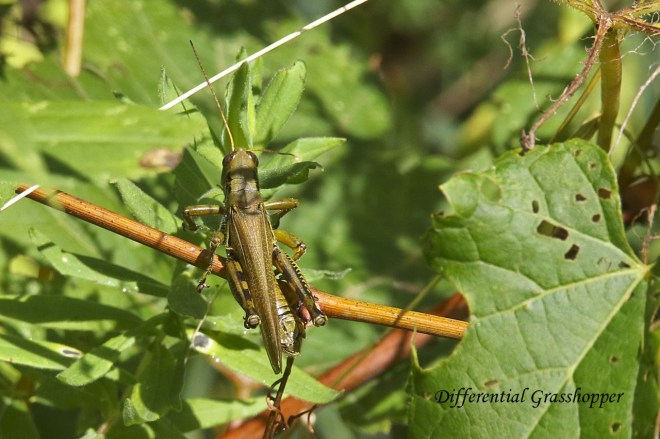
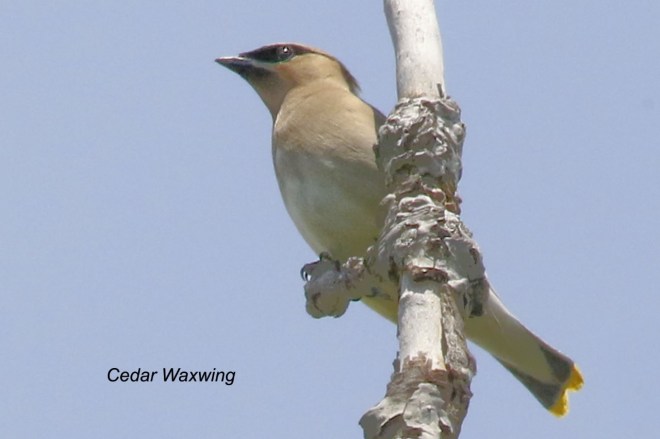
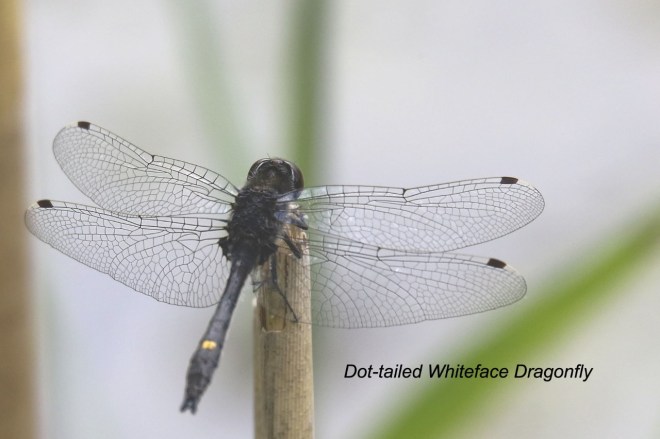
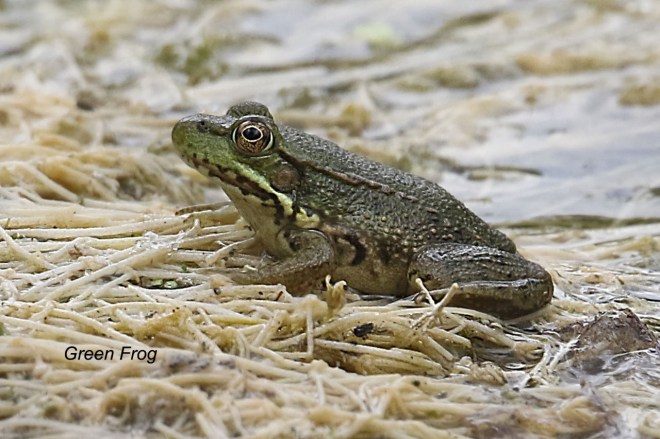
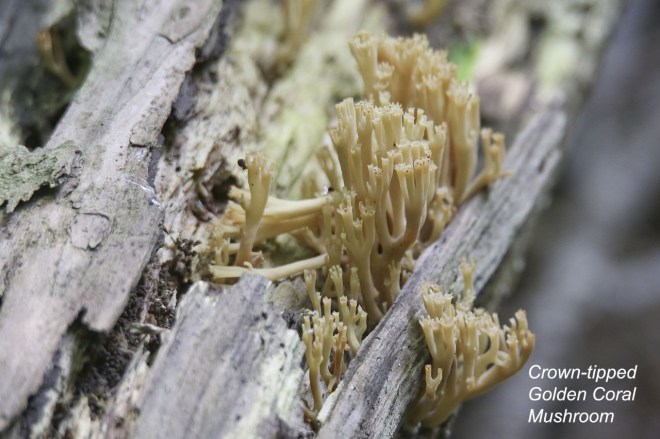
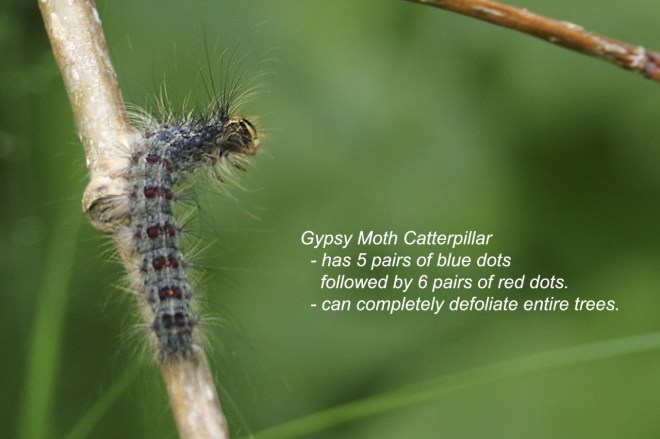
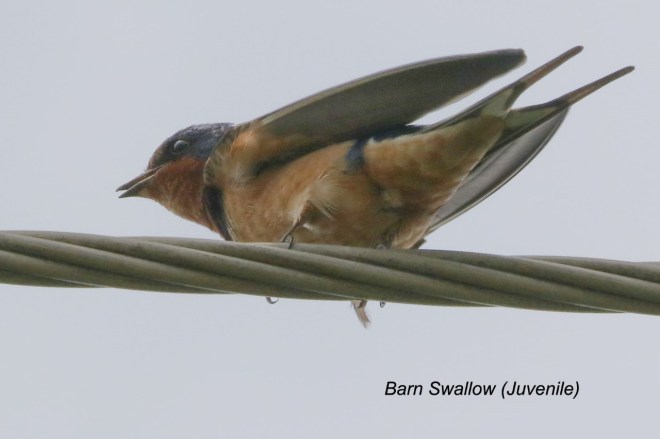
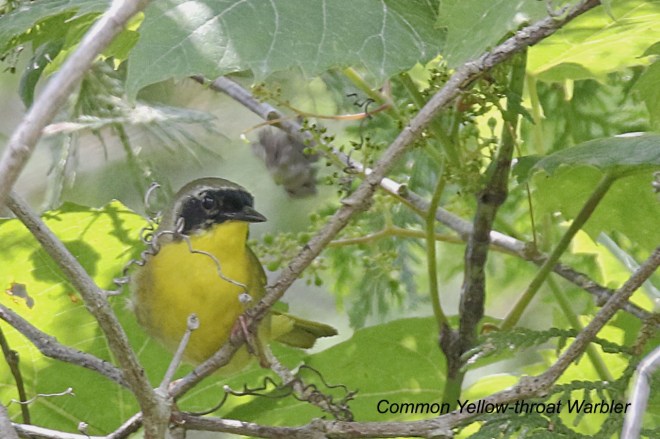
Photos taken by IDNC member, Bill Grant, from a walk at the Lawson Nature Reserve on June 28th. Despite the mosquitoes, Bill captured some great shots of residents at the property!



A woodland garden of native species provides homeowners with the opportunity to have a low maintenance and environmentally friendly natural landscape that’s beautiful and attractive to wildlife. The beauty comes in a shady lush green envelope that’s punctuated by the colours of the spring ephemerals such as spring beauties, trout lilies and Virginia bluebells as well as later season bloomers such as blue-stemmed goldenrod and wild lupine. Plus some of our most beautiful flowering shrubs and trees are components of the woodland garden plant list. But don’t forget green is a colour and time spent in the green environment of the woods or your woodland garden is very calming and therapeutic. There is plenty of scientific evidence to support this.
Assuming that there are a number of trees providing shade (the woodland), there are a few fundamental characteristics to give consideration to when creating a natural woodland garden.
Pit and Mound
Pristine, old growth forests have an undulating soil landscape known as pit and mound topography. When large trees blow over in storms, the roots pull soil with them leaving a pit and when the roots eventually decay, that soil and resulting compost creates a mound beside the pit. A pit and mound topography establishes different soil and moisture conditions which provides opportunity for a greater diversity of plants to seed and grow. A flat site could not sustain near the diversity of flora. The pits will keep your woodland garden moist longer and reduce watering requirements. A replica of pit and mound topography can be created using a rototiller or a shovel. The pit should be 15 to 30cm deep and the mound a similar height and about a metre wide and two metres long. Vary their sizes, shapes, heights and depths somewhat and leave some space between them. Several pits and mounds would suffice in the average backyard of 15 by 20 metres.
Highly Organic Soil
Woodland plants grow in an organic/compost/humus rich soil environment created by the leaves that drop each autumn. Even twigs, branches and large tree trunks laying on the ground eventually decay and enrich the soil. This is important for a number of reasons including soil fertility, moisture retention and habitat for small and microscopic (mycrrohizae) living organisms. Humus is the be all and end all of healthy soil. Mycrrohizae are the nutrient and moisture accumulators of the woodland soil. Healthy soil is alive. The fungi that live in the humus/compost rich soil have a very important symbiotic relationship with woodland plants. They co-mingle with plant roots, which assists plants to receive and take up nutrients. Initially incorporating leafy compost into the woodland garden soil and then mulching with leaves every year is essential for growing native woodland plants. Basically just leave the leaves from your trees where they fall. A light top dressing of wood chips on the leaves holds them down from blowing winds (if that’s an issue in your garden) and adds more organic material.
Shade Levels
Deep in the woods, shade is a fairly constant condition but in backyard gardens it varies somewhat. Factors include the number, density and variety of trees your garden has, garden orientation and shade from buildings and fences. Even if all the backyards in your block are wooded, it will not be as shady as a natural forest. Locating the woodland garden under trees that are adjacent to the north side of a building could be a good start. If there is room, consideration could also be given to planting more trees or sun loving shrubs on the south and west boundaries of the garden site. Also, north facing slopes are great locations. Of course, these strategies may not be possible and you will have to make the best of your site. We would not recommend attempting to establish a woodland garden under just one or two trees but if that is your long term goal then step one is planting young trees and shrubs.
Wind Velocity
Wind is greatly reduced within a forest. Winds are diverted over the tree tops with only light winds reaching the forest floor (except perhaps in severe storms). This results in little impact on the understory plants and growing conditions. Wind dries the air and soil and reduces heat values. That is why the first 100 meters in from the forests edge is not considered quality forest habitat. Consideration should be given to reducing the impact of wind on your woodland garden. Planting a shrub wind break, using fences, buildings and garden orientation are strategies that could help. It would be very challenging to grow a woodland garden in a rural location with wide open fields surrounding it.
Soil Types
This is probably more important to the trees you may plant and grow than to the understory plants. Species such as Sassafras and Black Oak do best in sandy soils and struggle or perish in clay. Assuming that the woodland garden is being created under large mature trees, soil type is not a big consideration. Many woodland wildflower species, such as Trilliums, Jack-in-the-Pulpit and May Apple grow in either sandy or clay soils. The most important soil factor is its organic content. We believe this levels the playing field for woodland plants when it comes to soil types and conditions. Add compost when you plant and remember,,, mulch yearly with leaves.
Sod Removal
If the garden site has lawn it needs to be eliminated. Mechanically removing it with a sod cutter is an option but can be difficult because of tree roots and requires topping the garden with a good top soil. Spraying with a chemical herbicide is an option but requires the use of poisonous chemicals which we never use. The best method is smothering the lawn under cardboard covered by mulch. It’s recommended to do this months before planting but you can plant through the mulch and cardboard if need be.
Woodland Understory Flora
Many showy woodland wildflowers are known as “Spring Ephemerals”. They are long lived perennials that leaf out and flower in early spring before the tree canopy leafs out and shades the forest floor. They basically have to go through their annual life cycle quickly, taking advantage of the sunshine available before the tree leaves develop. Most spring ephemerals bloom for about a two week period, some amazingly early while there is still snow possible. After they have flowered and produced seed, they become dormant and withdraw valuable nutrients back into the roots. Survival through late summer, fall and winter lying dormant without leaves requires the storage of food. So spring ephemerals have evolved with special roots (bulbs, corms and rhizomes) to survive. Gardeners are most familiar with non-native exotic spring ephemerals such as Tulips and Daffodils.
Native ground covers, low maintenance carpets of green, flourish in the woodlands of Lambton County and are essential in the woodland garden. Patches of Mayapple, Ostrich Fern, Trilliums and Wild Ginger (see plant list and plant cards) are a special feature adding to the lushness and appeal of the woodland garden.
Other plants to consider are woodland shrubs such as Dogwoods, New Jersey Tea, Viburnum, Spicebush, Witchhazel, and Serviceberry for your garden. They are important to wildlife such as birds, butterflies and small mammals and provide some additional shade for the woodland perennials. We believe they are important functionally and esthetically and complete the woodland look and appeal.
There are also woodland perennials that flower in the summer and do not go dormant until fall. These include Woodland Asters, Sunflowers, Lilies and Goldenrods. Others are evergreen such as Hepatica, Virginia Waterleaf, Wild Strawberry and Woodland Sedges.
Sedges and ferns complete the woodland garden, so be sure to include them. Christmas fern is a good choice because it is an evergreen species.
 Ingersoll District Nature Club